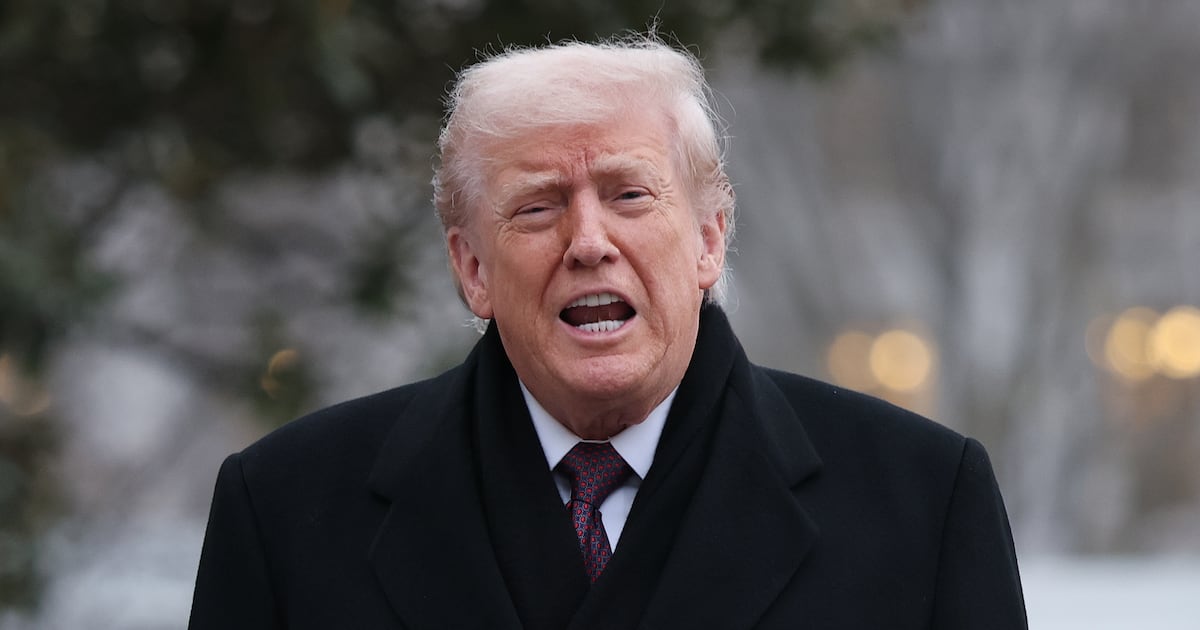
A Politico/Public First poll conducted Dec. 5–9 of 10,510 adults across the U.S., Canada, the U.K., France and Germany shows broad skepticism of the United States under President Trump: 56% of Canadians, and 40% of Germans and French view the U.S. as a negative global force (U.K. 35% negative, 41% positive). Near-majorities across the countries say the U.S. creates problems rather than solves them (Canada 63%, Germany 52%, France 47%, U.K. 46%) and many say the U.S. challenges allies (Canada 60%, Germany 46%, France 45%, U.K. 41%), highlighting rising transatlantic political and trade risk tied to trade disputes, sharp rhetoric and shifts in military posture that investors should monitor for potential geopolitical and policy-driven market impacts.
Market structure: Rising allied hostility increases probability of sustained geopolitical friction that benefits defense and security suppliers (LMT, NOC, RTX, PANW, FTNT) through higher budgets and accelerated procurement cycles; expect 6–12 month revenue tailwinds and 5–15% relative EPS upside vs cyclicals if policy hardens. Export-oriented European industrials and luxury goods face downside from tariffs, reputational shocks and supply‑chain re‑routing; relative pricing power shifts toward onshore/ally-friendly suppliers and sovereign-heavy contractors. Cross-asset: risk‑off episodes will bid safe havens (GLD, TLT) and USD; FX volatility (CAD, EUR, GBP) should spike 3–8% on policy headlines, elevating equity and FX option premia.
Risk assessment: Tail risks include a severe transatlantic trade war, targeted sanctions on allied firms, or a NATO funding fracture — each could knock 0.5–1.5% off global GDP and trim global industrial earnings by 10–20% over 12 months. Immediate (days) effects are volatility spikes and flows into Treasuries/gold; short-term (weeks–months) effects are sector rotations into defense, cybersecurity, energy security; long-term (quarters–years) expect capex/reshoring winners and permanent supply‑chain premium to domestic defense/tech suppliers. Hidden dependencies: polling reflects elite cues that can presage policy changes (budget, procurement, tariffs) 1–3 quarters before markets price them. Key catalysts: election noise, NATO summit statements, US tariff announcements, Pentagon budget release.
Trade implications: Favor concentrated long exposure to prime defense (LMT, NOC) and cybersecurity (PANW, FTNT) over 3–12 months with active options hedges; add 1–3% portfolio tail hedge in GLD/TLT for 3–9 months. Use FX shorts on CAD and EUR via FXC and FXE (1–2% notional) into headline risk windows; buy puts on export‑heavy European ETFs (FEZ) to express downside. Rotate out of European luxury/auto/airline cyclicals (reduce exposure by 30–50%) and redeploy into domestically oriented industrials with US gov’t revenue exposure.
Contrarian angle: Consensus assumes automatic USD weakening from allied disapproval — historically (e.g., 2018–19 trade tensions) USD often strengthened as capital fled to US liquidity; therefore size USD hedges conservatively. Market may underprice orderly increases in US defense spending (budgetary inertia), creating mispricings in small-cap defense suppliers and midstream energy names tied to LNG/strategic fuels. If elections moderate rhetoric, expect a 5–10% mean reversion in beaten-down European names — plan asymmetric option sales to monetize premium.
AI-powered research, real-time alerts, and portfolio analytics for institutional investors.
Request DemoOverall Sentiment
moderately negative
Sentiment Score
-0.35
