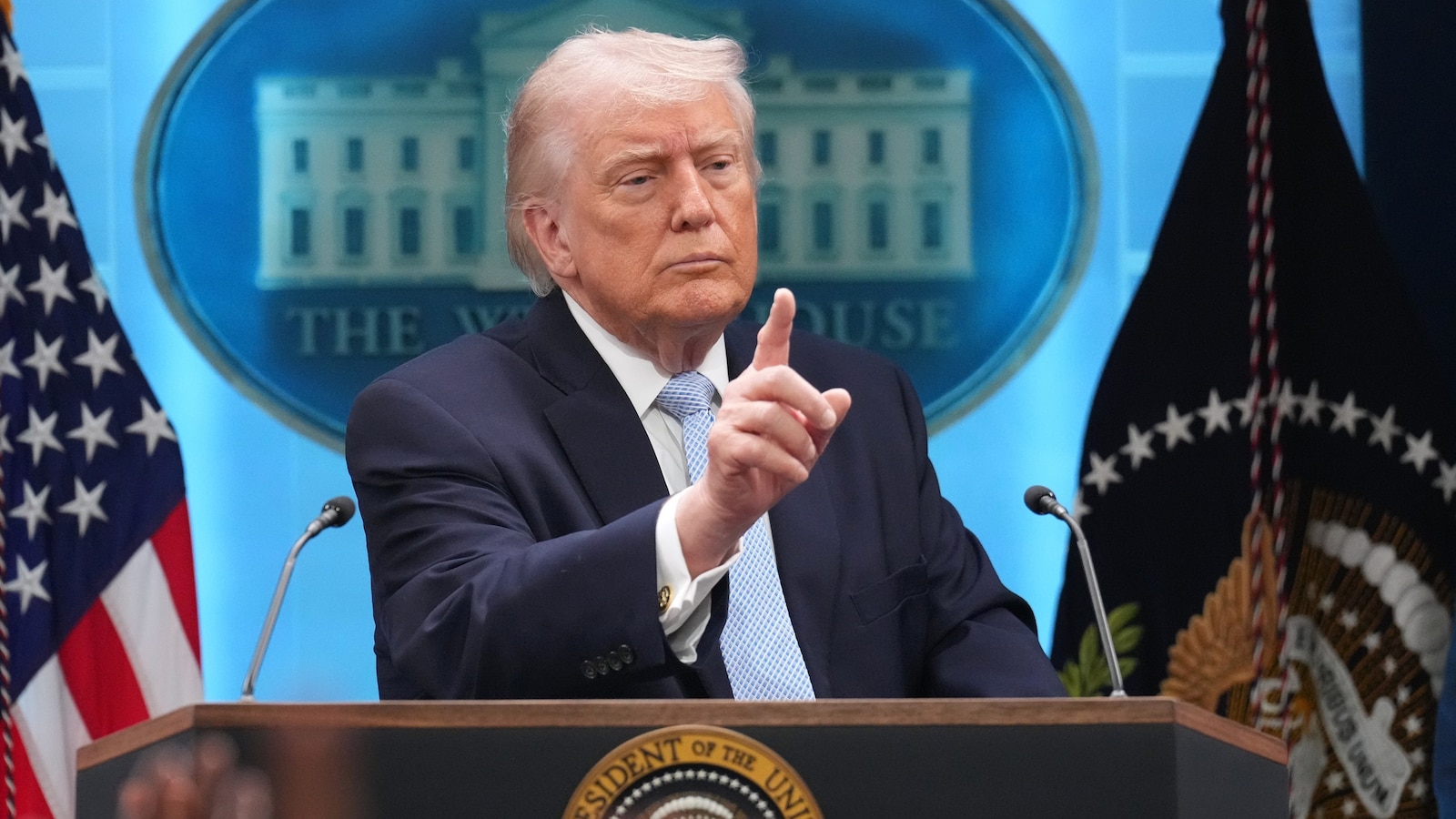
An 8:00 p.m. ET deadline set by President Trump for Iran to accept a ceasefire is imminent; Pakistan’s PM Shehbaz Sharif publicly requested a two-week extension to allow further diplomacy and Iran was asked to reopen the Strait of Hormuz as a goodwill gesture. The White House says Trump has been made aware and will respond; mediators report continuing gaps, especially over Strait access. Iran’s counterproposal reportedly would fully open the Strait but impose a $2 million toll per vessel, a demand the U.S. calls untenable—outcomes could trigger material disruption to oil shipments and broad market volatility if talks fail.
An extension of the negotiation window materially increases the probability that markets price a near-term de-escalation rather than a full maritime blockade; that compresses the immediate oil shock but extends a period of elevated shipping premiums and modal disruption for weeks-to-months as confidence is rebuilt. If mediators secure a narrowly time-boxed reopening of the Strait in exchange for a ceasefire window, expect a two-speed market: oil volatility collapses quickly while freight/insurance rates remain elevated for 4–12 weeks because underwriters and charterers reset routing and contingency pricing.
If talks fail or Iran extracts economic rents (e.g., fees or passage rules), the second-order effect is a structural shift in trade logistics — persistent higher Baltic/TC rates, accelerated re-routing to the Cape of Good Hope for certain cargoes, and a lasting premium on insured tanker capacity. That favors asset-light carriers with fixed-rate charters and owners of VLCC/Suezmax capacity who can flex employment, whereas integrated majors bear the immediate price exposure but can hedge production; downstream refiners face the weakest positioning from margin compression if feedstock arbitrate.
Tail risks remain asymmetric: a sudden collapse in diplomacy produces a >$8–12/bbl instantaneous crude move and a >50% spike in tanker TC rates; conversely, a credible two-week confidence window should erase most crude risk premia within 72 hours while leaving a 10–30% uplift in freight/insurance. Time-horizons: days for headline-driven oil moves, weeks–months for shipping/insurance repricing and supply-chain reroutes; watch mediator signals and insurance rate filings as the fastest market indicators.
AI-powered research, real-time alerts, and portfolio analytics for institutional investors.
Request DemoOverall Sentiment
neutral
Sentiment Score
0.00
