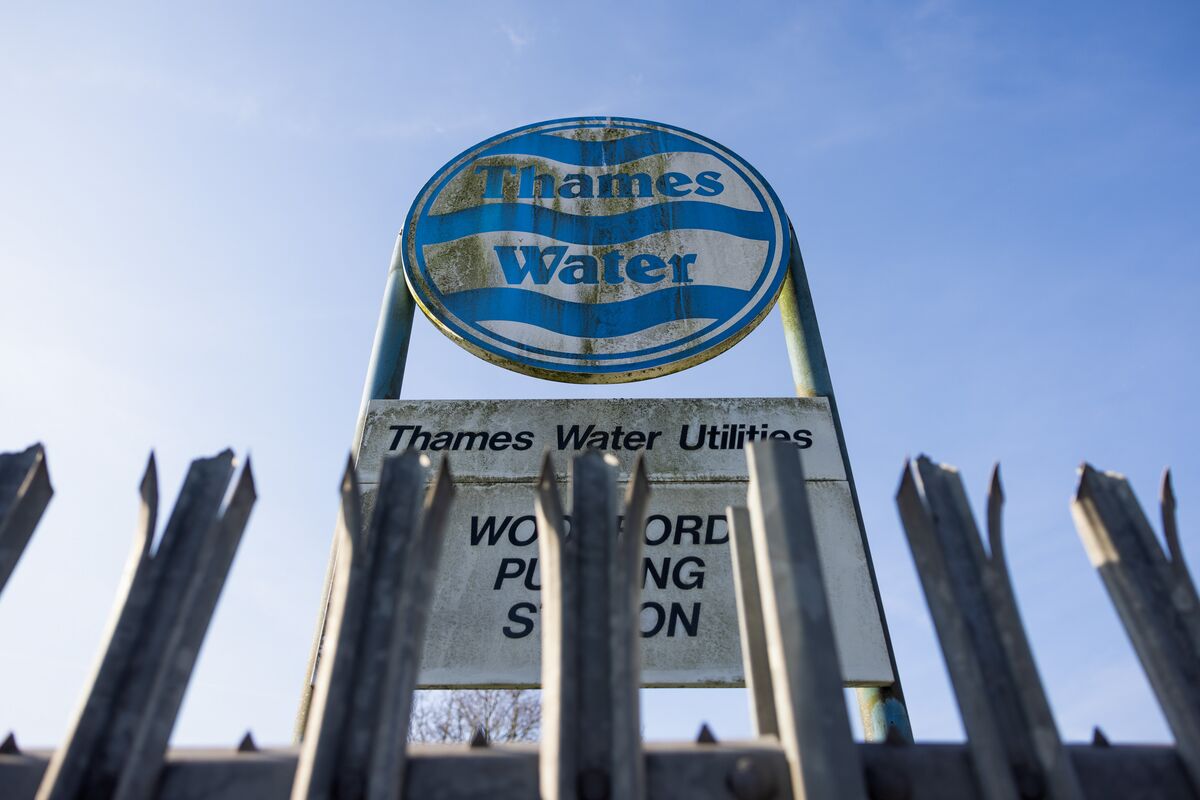
Thames Water has received the largest fine ever levied against a water company for violating sewage regulations, according to Bloomberg. The specific amount of the fine and further details are not available without a subscription.
Thames Water has been subjected to a significant regulatory action, receiving what is reported as the largest fine ever imposed on a water company for breaches of sewage regulations. This development, carrying a 'strongly negative' sentiment score of -0.7, underscores a potentially escalating environment of regulatory enforcement and heightened penalties within the UK water sector. While the specific monetary value of the fine and precise details of the breaches are not disclosed in the provided information, the superlative nature of the penalty suggests a material event with considerable implications for the company. This incident directly aligns with key themes of 'Regulation & Legislation', 'Legal & Litigation', and 'ESG & Climate Policy', indicating increasing investor and regulatory focus on environmental stewardship and corporate accountability in utility operations. The market impact score of 0.4 suggests a moderate level of market attention to this news at present, pending further details.
AI-powered research, real-time alerts, and portfolio analytics for institutional investors.
Request DemoOverall Sentiment
strongly negative
Sentiment Score
-0.70
