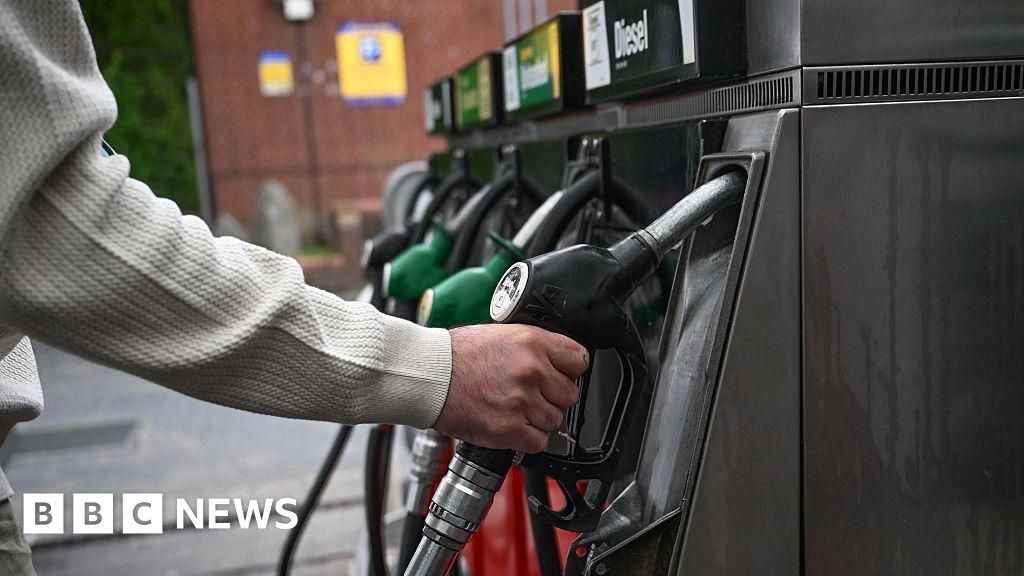
The UK has loosened sanctions on Russian oil refined into diesel and jet fuel in third countries, alongside a time-limited waiver for maritime LNG transport, as fuel prices rise and supply concerns intensify. European jet fuel prices are still about 50% above pre-war levels, while UK unleaded petrol has hit 152.52p a litre, the highest since the start of the Iran-Israel war. The move is politically controversial but aimed at maintaining market stability and protecting critical energy and shipping supply chains.
The market is being forced to choose between moral clarity and physical availability, and near-term price discovery will favor molecules over mandates. The first-order beneficiaries are refiners and logistics platforms that can re-route Russian-origin feedstock through third countries into compliant product streams; the second-order winners are shipping, storage, and insurers that monetize longer routing, more documentation, and higher compliance friction. The biggest loser may be European airlines and road fuel distributors, where input costs are rising faster than ticket/fares can reprice, compressing margins before demand elasticity shows up.
The more important setup is that this is a policy signal, not just a tactical waiver. Once a sanctions regime develops “indefinite but reviewable” exceptions, counterparties begin building procurement workarounds and inventory buffers around that permission set, which tends to keep spreads wider even if headline crude cools. That creates a lagged benefit for non-Russian refinery hubs like India and Turkey, but also increases the odds that Europe becomes structurally more dependent on opaque middlemen and longer supply chains, which is inflationary for diesel and jet even if Brent eventually stabilizes.
The key risk is reversal from either politics or price. If front-end fuel prices ease over the next 4-8 weeks, the waiver becomes easier to unwind and any supply-chain beneficiaries likely give back quickly; if the crisis deepens and fuels remain scarce, the market may start pricing broader intervention, including releases, demand destruction, or a tighter enforcement cycle against intermediaries. The contrarian miss is that the most durable effect may not be lower Russian discounting but a higher “sanctions tax” embedded in every barrel/product moving through third countries, which is bullish for integrated refiners with optionality and bearish for pure consumers of jet/diesel.
AI-powered research, real-time alerts, and portfolio analytics for institutional investors.
Request DemoOverall Sentiment
mixed
Sentiment Score
-0.10
Ticker Sentiment
