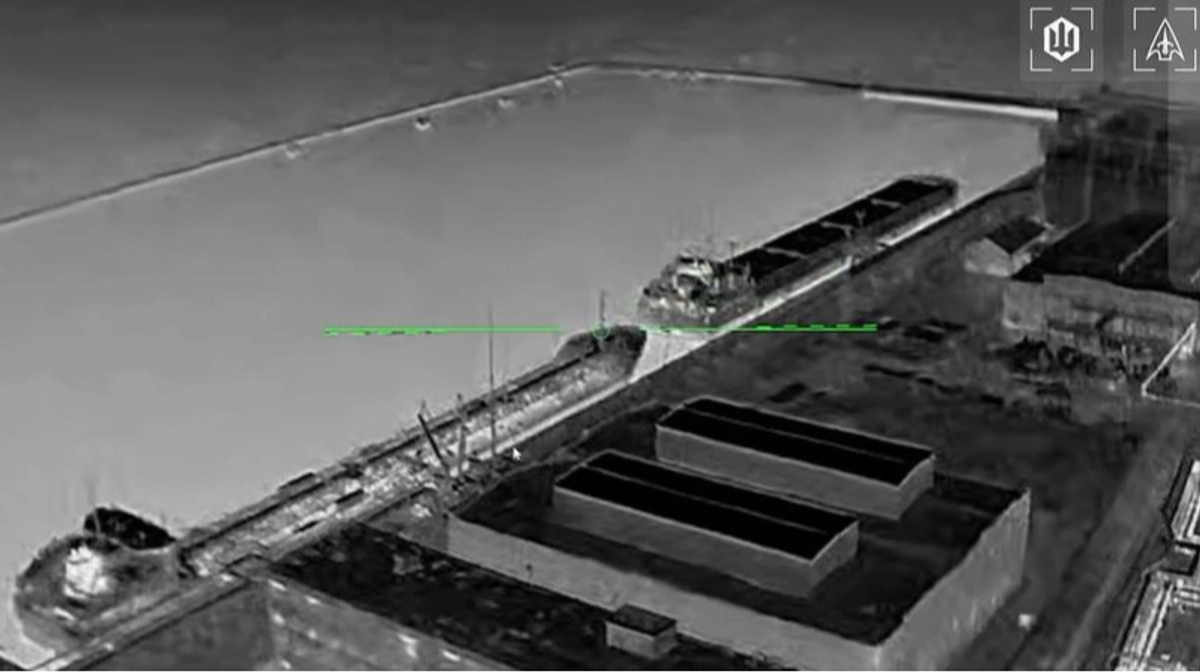
Ukrainian drones struck a shadow fleet tanker, the Kurganneftoprodukt oil depot in Taganrog, and a maritime oil terminal in occupied Feodosiia overnight on 29-30 May. The attacks caused fires at oil-related infrastructure and also reportedly damaged port facilities in Taganrog, adding fresh disruption risks to regional fuel handling and shipping. The event is geopolitically significant and modestly negative for energy/logistics assets tied to the area.
This is less about headline oil supply disruption and more about the market repricing operational fragility in Russia’s fuel logistics. Even if the damaged assets are not globally material on their own, repeated strikes force higher security, rerouting, inventory buffers, and insurance friction across Black Sea and southern Russian product flows. The second-order effect is tighter regional product availability, which can lift inland fuel differentials and distort arbitrage economics before it meaningfully changes Brent.
The more important read-through is for shipping and energy infrastructure risk premia. Shadow-fleet and terminal vulnerabilities raise the probability of ad hoc voyage delays, detention risk, and higher charter rates for vessels linked to Russian-origin cargoes; that is a medium-term headwind for tanker utilization quality, not necessarily quantity. In parallel, any sustained impairment to storage and terminal throughput increases the value of resilient, non-Russian export routes and favours exporters with diversified seaborne access.
The move is not yet large enough to justify a broad long-energy-beta chase, because the global crude balance still depends on OPEC discipline and demand data, not isolated disruptions. The cleaner trade is on relative winners from freight and security premium expansion, while keeping a close eye on escalation risk: if attacks broaden to higher-capacity export nodes or refineries, the pricing impact can shift from regional product spreads to outright crude strength within days. Conversely, a ceasefire or improved Russian air defense can unwind the risk premium quickly, but the repeat nature of these strikes suggests a persistent nuisance factor rather than a one-off event.
AI-powered research, real-time alerts, and portfolio analytics for institutional investors.
Request TrialOverall Sentiment
moderately negative
Sentiment Score
-0.45
