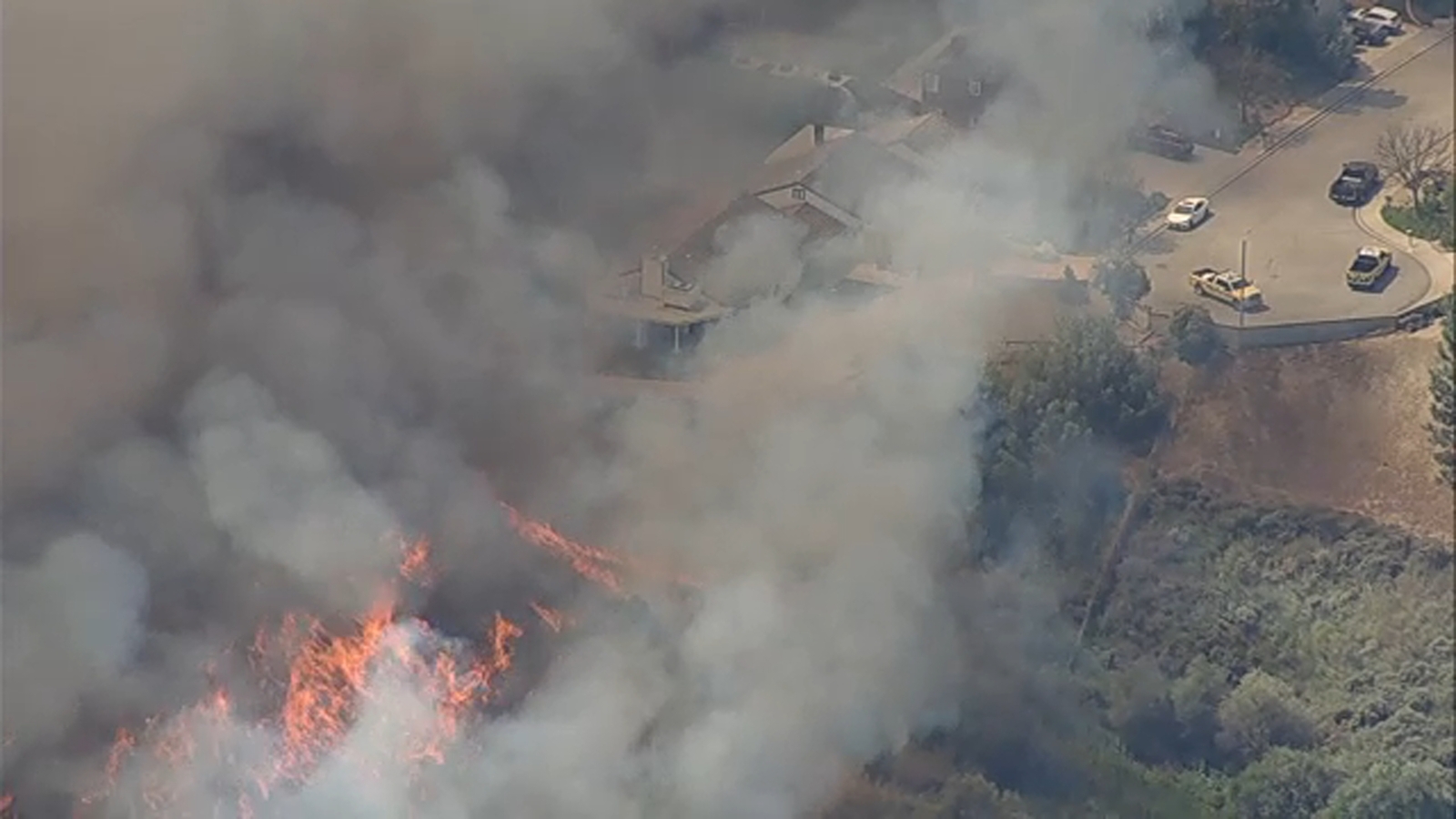
The Sandy Fire burned at least 836 acres with 0% containment near homes in Simi Valley, forcing evacuations and burning at least one house. Fire crews had 550 firefighters on scene, with evacuation orders and a temporary shelter established as windy conditions heightened fire danger. Police are investigating whether brush clearing with a tractor and struck rock may have sparked the blaze.
This is a localized climate-event with broader implications for California property, municipal services, and near-term insurance pricing rather than a national macro shock. The second-order issue is not the acreage alone, but the combination of wind-driven spread, structure exposure at the wildland-urban interface, and the likelihood that any structural loss in this corridor feeds into already-tight homeowners insurance availability and higher replacement-cost expectations across Ventura/LA exurbs. Even a limited number of destroyed homes can tighten underwriting standards, raise nonrenewal risk, and accelerate migration toward surplus-lines coverage, which supports premiums for specialty insurers while pressuring exposed regional housing demand.
The fastest read-through is to vendors with fire-response, debris-removal, temporary housing, and grid-hardening exposure. Utilities and local infrastructure names are not directly implicated yet, but if this becomes a recurring pattern, the market will start discounting higher capex for vegetation management, undergrounding, and liability reserve build in California utilities and municipal-adjacent contractors. The more immediate risk is a multi-day headline loop: evacuation, damaged structures, and any evidence of ignition origin can trigger renewed scrutiny on liability, insurance exclusions, and litigation, which tends to extend the event’s economic half-life well beyond containment.
The contrarian point is that these events often get traded as a pure disaster headline when the more durable signal is insurance repricing. That adjustment is usually slower than equity volatility, so the first move is often too blunt: homebuilders with California exposure can sell off on emotion, while insurers with disciplined catastrophe reinsurance programs may initially underreact before pricing catches up over the next renewal season. If the fire remains geographically contained and damage is limited, the tradeable impact fades quickly; if it expands into multiple structures, the bigger catalyst becomes not the physical loss but the ensuing reassessment of insurability in adjacent tracts.
AI-powered research, real-time alerts, and portfolio analytics for institutional investors.
Request DemoOverall Sentiment
strongly negative
Sentiment Score
-0.70
