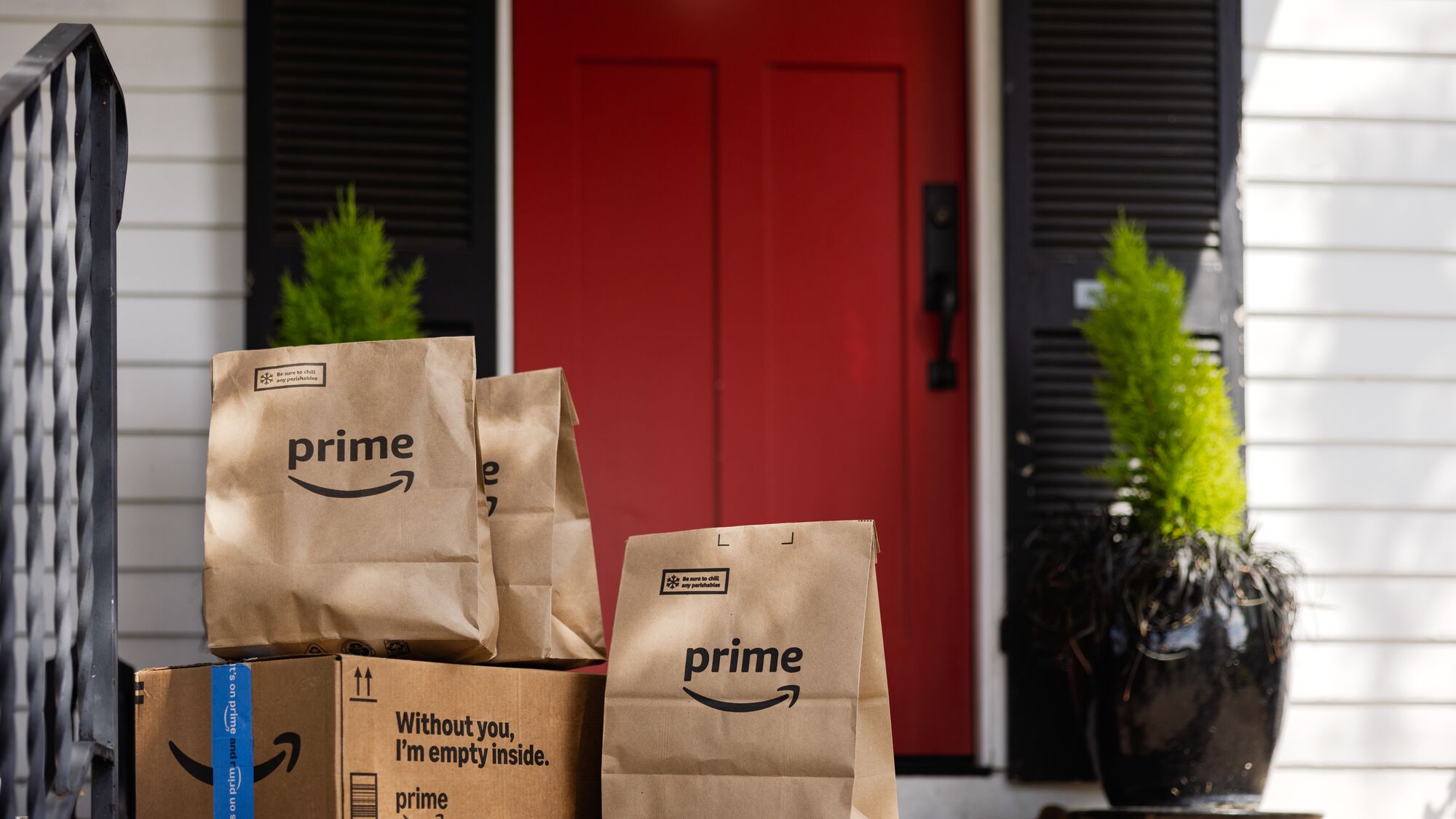
Amazon has expanded Same-Day Delivery of perishable groceries to more than 2,300 cities and towns (with further rollouts planned for 2026), grown its perishable assortment over 30% since August and says perishable sales are up roughly 30x since January, with fresh items now accounting for nine of the top ten Same-Day sellers. Customers who add fresh groceries to Same-Day orders shop about twice as often; Prime members receive free Same-Day delivery on orders over $25 (or $2.99 below the minimum) while non‑Prime pay $12.99, and Amazon has scaled its Amazon Grocery private brand to over 1,000 mostly sub-$5 items and introduced a Freshness Guarantee. Backed by Whole Foods, Amazon Fresh and local partners, the push bolsters Amazon’s grocery position (over $100 billion in gross sales in 2024, ~150 million U.S. grocery shoppers), increases basket integration and visit frequency, and raises competitive pressure on traditional grocers and delivery rivals.
Amazon expanded Same‑Day Delivery of perishable groceries to more than 2,300 cities and towns with additional rollouts slated for 2026, and reports its perishable assortment is up over 30% since August. The company states perishable sales have increased roughly 30x since January and fresh items now represent nine of the top ten Same‑Day sellers, signalling rapid adoption and a marked shift in order composition toward perishables.
Prime incentives—free Same‑Day on orders over $25 (or $2.99 below) versus a $12.99 fee for non‑Prime customers—combined with Amazon Grocery’s 1,000+ mostly sub‑$5 SKUs and Whole Foods integration are driving frequency: customers who add fresh groceries shop about twice as often. Amazon cites over 150 million U.S. grocery shoppers and more than $100 billion in gross grocery sales in 2024, providing a large addressable base to monetize convenience and cross‑sell non‑grocery items.
The push strengthens Amazon’s competitive moat in groceries and increases pressure on traditional grocers and delivery rivals, while logistics innovations aim to deliver fastest Prime speeds globally for a third consecutive year. Key risks include operational complexity and potential margin pressure from low‑priced private‑label SKUs and free delivery thresholds; monitor fulfillment cost per order, Prime conversion lift, and whether perishable demand sustains beyond early adoption.
AI-powered research, real-time alerts, and portfolio analytics for institutional investors.
Request DemoOverall Sentiment
moderately positive
Sentiment Score
0.55
Ticker Sentiment
