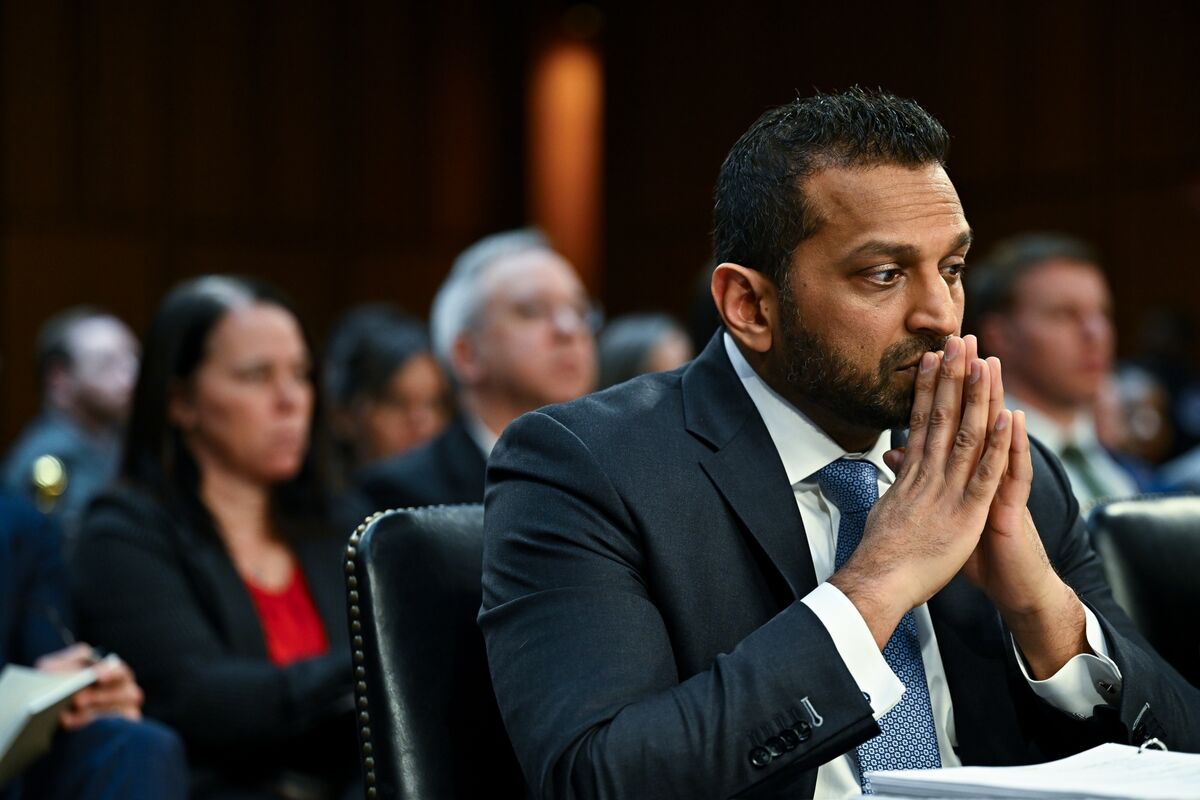
A pro‑Iran hacking group claims to have breached FBI Director Kash Patel’s personal email inbox and posted emails containing personal information, photographs and financial data, per Check Point. Bloomberg could not independently verify the authenticity of the emails, though the compromised address has previously been linked to Patel’s personal details including an address. The incident raises reputational, security and political risk but is unlikely to cause immediate market-moving effects.
This kind of high-profile compromise usually produces a multi-horizon demand shock: an immediate surge in interest for email- and endpoint-protection (days–weeks) that converts into procurement cycles for zero-trust, MDR, and identity solutions (6–18 months). Expect vendors with sticky ARR, channel-led government credentials, and appliance-to-cloud migration plays to convert noisy interest into multi-year contracts that justify a 20–40% premium to consensus forward multiples over 6–12 months.
Second-order effects favor managed security providers and identity specialists more than pure-play signature-based vendors; buyers will prioritize long-term SLAs, breach remediation retainers, and products that reduce personnel needs (SOAR/MDR), which boosts revenue quality even if top-line growth lags for a quarter. Cyber insurance pricing and contract terms are likely to harden across public-sector clients, increasing total cost of ownership and creating a sustained tailwind for products that demonstrably reduce breach frequency within 12–24 months.
Key risks: headline-driven sentiment typically fades in days, so near-term price moves are fragile; the structural upside depends on contract wins and proof points (reduced incidents, signed G2G deals) which materialize over quarters. A sharp reversal could occur if claimed breaches are debunked, if attribution triggers geopolitical escalation (sanctions/retaliation) that disrupts vendors or supply chains, or if macro tech spending retrenches — any of which could wipe out short-term rallies.
The market consensus will likely lump all cybersecurity names together; that overpaying risk is biggest for names with low margins, heavy services revenue, or one-off consulting tailwinds. Prefer vendors with >65–70% gross margins, recurring ARR, and visible government sales pipelines — they capture the durable upside while limiting post-headline mean reversion risk.
AI-powered research, real-time alerts, and portfolio analytics for institutional investors.
Request DemoOverall Sentiment
mildly negative
Sentiment Score
-0.30
Ticker Sentiment
