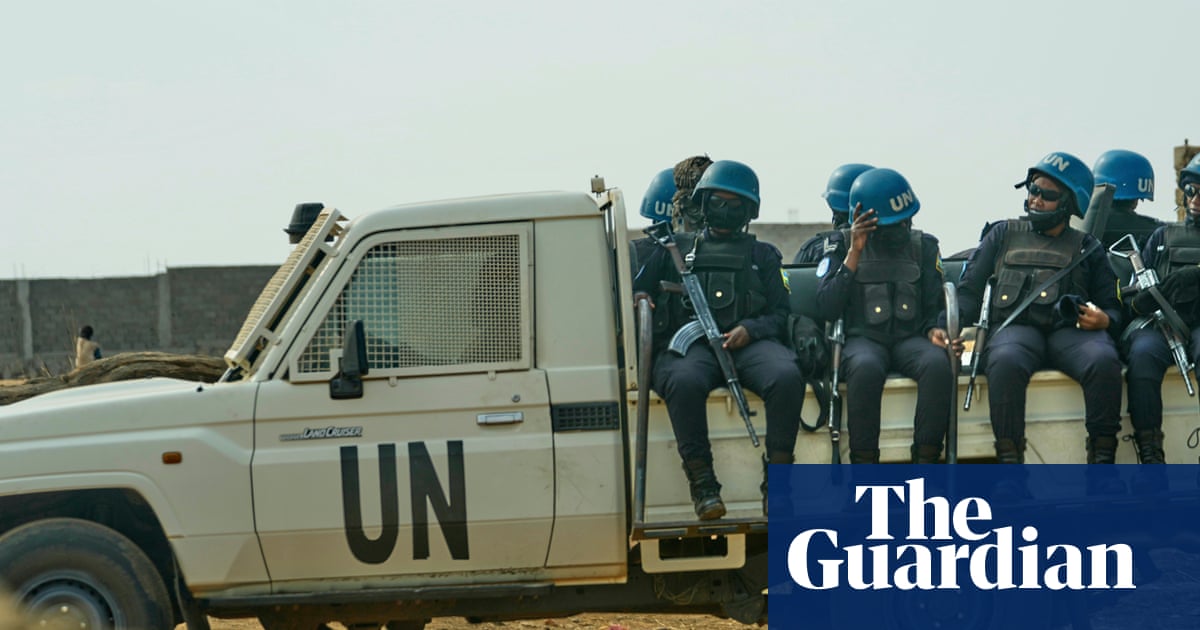
The US government's attempt to deport migrants, including some of South Asian descent, to South Sudan has been halted by a US federal judge due to concerns about violating a court order. The deportations highlight the precarious political and economic situation in South Sudan, which is experiencing renewed political tensions and potential relapse into widespread conflict between rival factions loyal to President Salva Kiir and opposition leader Riek Machar, threatening the fragile peace deal that ended the 2013-2018 civil war. The country's instability, coupled with underdevelopment and climate challenges, raises concerns about its capacity to handle any influx of deportees.
The U.S. attempt to deport migrants to South Sudan, currently halted by a federal judge citing a potential violation of a court order, casts a harsh light on the severe political instability and dire socio-economic conditions within the world's youngest nation. South Sudan, despite possessing significant oil reserves that are central to its economy, is plagued by widespread mismanagement and corruption, resulting in chronic underdevelopment. Essential infrastructure such as electricity and paved roads remains largely absent, and approximately two-thirds of its 11 million citizens live in extreme poverty, exacerbated by climate-related disasters like last year's extreme flooding which displaced 380,000 people. The political landscape is highly volatile, underscored by the March house arrest of First Vice-President and main opposition leader Riek Machar, who was accused of inciting rebellion. This event, coupled with clashes between Machar-aligned militias and government forces, has severely strained the fragile peace agreement that ended the 2013-2018 civil war, a conflict responsible for an estimated 400,000 fatalities. The United Nations has issued a stark warning that South Sudan is on the brink of relapsing into widespread conflict, a concern amplified by ongoing government offensives and Machar's continued detention. President Salva Kiir's recent promotion of Second Vice-President Benjamin Bol Mel as deputy chairperson of the ruling SPLM party, a move widely interpreted as positioning Bol Mel for succession, adds another layer of uncertainty to the nation's future. The reported negative sentiment (-0.5 score) and pessimistic tone associated with these developments accurately reflect the heightened geopolitical risks.
AI-powered research, real-time alerts, and portfolio analytics for institutional investors.
Request DemoOverall Sentiment
Negative
Sentiment Score
-0.50
