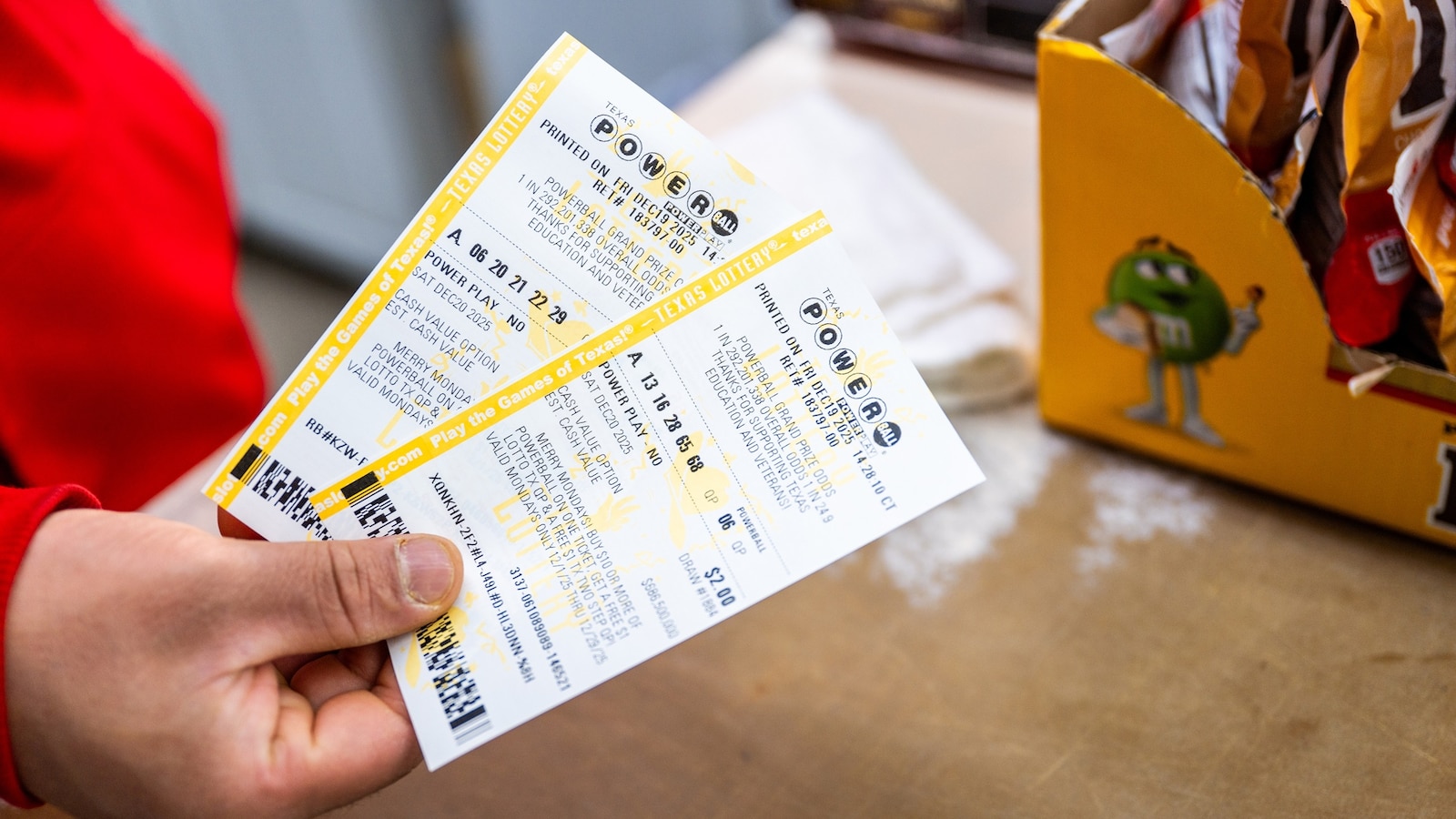
The Powerball jackpot has risen to an estimated $1.6 billion for Monday night's drawing, making it the fourth-largest Powerball prize and the fifth-largest U.S. lottery jackpot, with an estimated lump-sum cash value of $735.3 million before taxes. Winners may choose a lump sum or an annuity (one immediate payment plus 29 annual payments that increase 5% annually); the odds are 1 in 292.2 million and tickets are $2, sold in 45 states, DC, Puerto Rico and the U.S. Virgin Islands. The game's last jackpot was split in September ($1.787 billion), and the largest prize on record is $2.04 billion from Nov. 7, 2022. The report is largely informational with minimal direct market impact, though it may drive short-term consumer spending and media attention.
Market structure: The immediate winners are brick-and-mortar lottery retailers (WMT, KR, WBA) and convenience/gas chains that sell tickets and impulse items; expect a concentrated revenue bump concentrated in the 3–7 days around the drawing, likely adding ~0.5–2% to weekly comps for high-lottery stores. Losers are marginal: online sports-betting platforms (DKNG, PENN) may see a 0.5–1.0% short-term dip in handle as discretionary spend shifts to lottery tickets; casino operators’ volumes are unaffected in the medium term. Competitive dynamics: market share shifts are ephemeral — single large jackpots reallocate a small slice of entertainment spend rather than change pricing power; suppliers of terminals/instant games (private/state vendors) gain orders only if states adjust offerings.
Risk assessment: Tail risks include regulatory scrutiny (limits on advertising or changes to state payout rules) and operational congestion at high-volume retailers that could trigger POS outages; both are low probability but would compress short-term margins if they materialize. Time horizons: immediate (days) see transactional revenue effects; short-term (weeks/months) could affect retail comp trends and discretionary sales; long-term (quarters/years) impact is immaterial unless states change lottery frameworks. Hidden dependencies: effect size correlates with unemployment/disposable income and concurrent large jackpots in competing games; media amplification can extend the sales tail by 1–2 weeks.
Trade implications: Tactical, small-sized trades are appropriate — think event-driven, not structural. Short-dated bullish option exposure on select retailers and a relative-short vs online gaming captures the rotation; avoid material duration exposure in consumer discretionary. Catalysts that could reverse the trade: a jackpot win prior to your exit or an unexpected regulatory announcement within 7–30 days.
Contrarian angle: The market commonly overstates headline impact — historical billion-dollar jackpots produced retailer bumps that faded in 7–10 days; size positions accordingly (micro-tactical). Mispricing exists in weekly options where implied vol does not fully price a 1–2% sales pop; selling post-runup premium and buying pre-draw cheap calls can capture asymmetry. Beware crowding into obvious tickers — liquidity and execution slippage will remove much of the edge.
AI-powered research, real-time alerts, and portfolio analytics for institutional investors.
Request DemoOverall Sentiment
neutral
Sentiment Score
0.00
