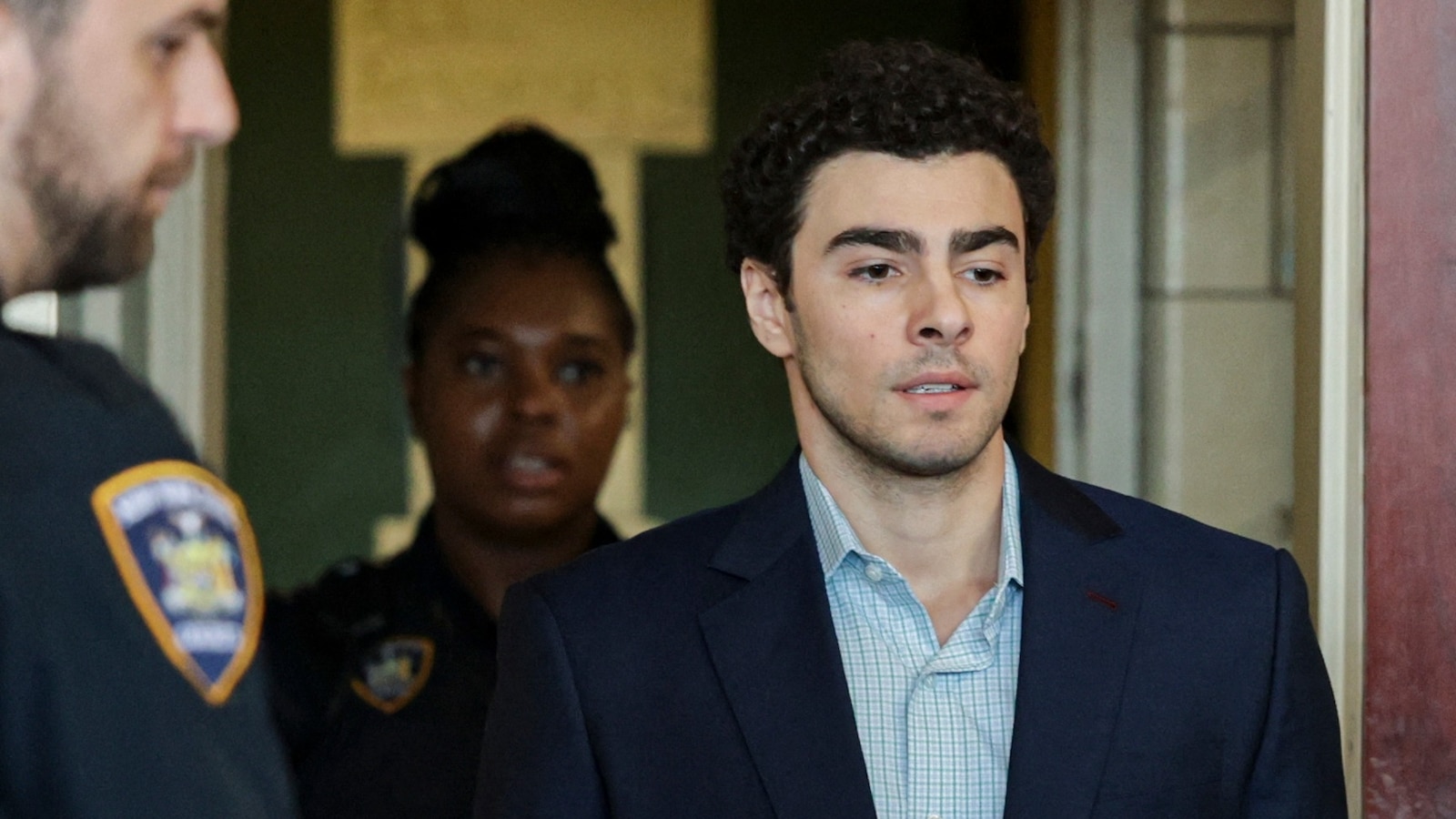
Judge Gregory Carro ruled that evidence seized from Luigi Mangione's backpack at the Pennsylvania McDonald's must be suppressed, but items recovered later at the stationhouse, including the alleged 3D-printed gun, will be allowed at trial. Key statements to Altoona officers were also suppressed, while other corrections-officer conversations remain admissible. The state murder trial is scheduled to begin Sept. 8, with the federal trial set for January 2027.
The ruling meaningfully changes trial optics, but not the core probability distribution for the company names exposed in the underlying crime. The suppressing of items from the initial backpack search removes some of the cleanest narrative evidence prosecutors wanted to use, which slightly raises the odds of a messier trial and a longer path to conviction, but the stationhouse evidence preserves the most damaging physical linkage. Net: the defense gains procedural leverage, not exoneration leverage.
Second-order, the more important market effect is reputational and political, not legal. The case continues to reinforce an anti-insurer narrative around healthcare pricing and access, which can keep social-media pressure and employee morale risk elevated for managed care and benefits-adjacent firms even if the trial headlines fade. Any renewed attention to the notebook and motive evidence also keeps the policy debate alive around prior authorization, claim denials, and executive security costs across the sector.
The contrarian view is that the market may overestimate the probability that sensational trial developments translate into durable multiple compression for insurers. Unless this becomes a broader legislative or regulatory catalyst, the impact is likely episodic: headline risk spikes around hearings, then mean reverts. The more actionable trade is not a blanket short on insurers, but owning volatility around event windows and using any trial-driven selloff to fade broad-based sector fear.
Catalyst timing matters: the state trial starts in September, so expect discrete volatility around pretrial motions, jury selection, and any admissibility rulings that shape media coverage. The federal trial in 2027 is a longer-dated tail risk, mainly relevant if the state case stalls or produces unexpected acquittal dynamics. The main reversal catalyst would be a procedural resolution that strips the case of its most inflammatory evidence, which would lower headline intensity and reduce the political salience of the story.
AI-powered research, real-time alerts, and portfolio analytics for institutional investors.
Request DemoOverall Sentiment
neutral
Sentiment Score
-0.05
