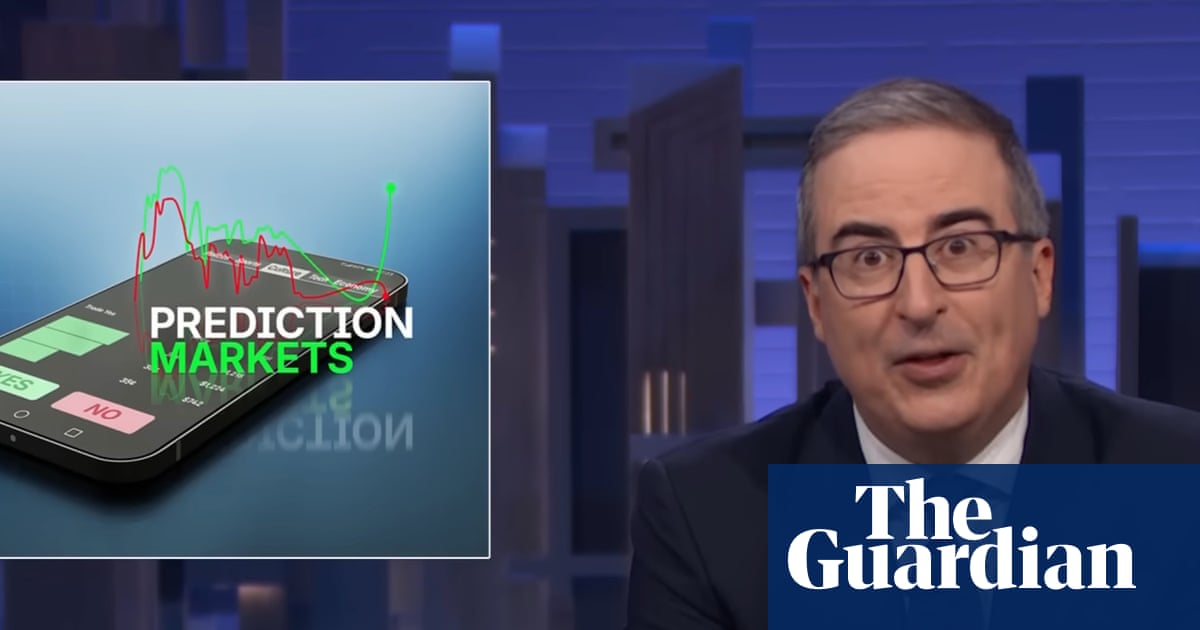
John Oliver criticized the rapid rise of prediction markets such as Kalshi and Polymarket, arguing they function like gambling sites while exploiting regulatory gaps. He highlighted risks around betting on wars, tragedies, and political events, plus potential insider trading and weak oversight after the CFTC was effectively left with one commissioner, Michael Selig. The piece suggests mounting legal and regulatory scrutiny, but it is more likely to affect sentiment around the industry than move markets broadly.
The investable edge here is not the headline moral outrage; it is the regulatory optionality embedded in a still-fragmented market structure. When a product is simultaneously framed as derivatives, gambling, and media, the business model benefits from jurisdictional ambiguity until a real enforcement shock arrives. That creates a classic reflexivity setup: growth attracts more users and more political scrutiny at the same time, so volatility in policy can matter more than user growth over the next 3-12 months. The second-order loser set is broader than the platforms themselves. Any venue that monetizes prediction-market traffic — media networks, fintech distributors, and affiliate channels — risks being treated as an implicit sponsor of reputationally toxic behavior, which can raise compliance costs and advertiser sensitivity. The more these contracts resemble live news overlays, the more they commoditize information and potentially pressure premium subscriptions for traditional financial media, especially if audiences start substituting market odds for editorial judgment. The more interesting contrarian point is that the sector may be under-hedged to a bipartisan crackdown. A single high-profile misuse case tied to insider access or a tragic event could force the CFTC to act faster than the market expects, and the current governance gap means the first catalyst could be a court injunction rather than rulemaking. That said, near-term momentum can persist for months because the product benefits from low friction, viral UX, and a retail audience that tends to ignore abstract legal risk until the headline hits. From a positioning standpoint, the best asymmetry is to fade the enablers, not to short the concept outright. The probability distribution is skewed: modestly positive if regulatory drift continues, but sharply negative if a single enforcement event reclassifies the business. That means the cleanest trade is a cheap convex hedge against policy reversal while avoiding outright directional exposure to a market that can remain irrational longer than the legal process can move.
AI-powered research, real-time alerts, and portfolio analytics for institutional investors.
Request DemoOverall Sentiment
moderately negative
Sentiment Score
-0.35
