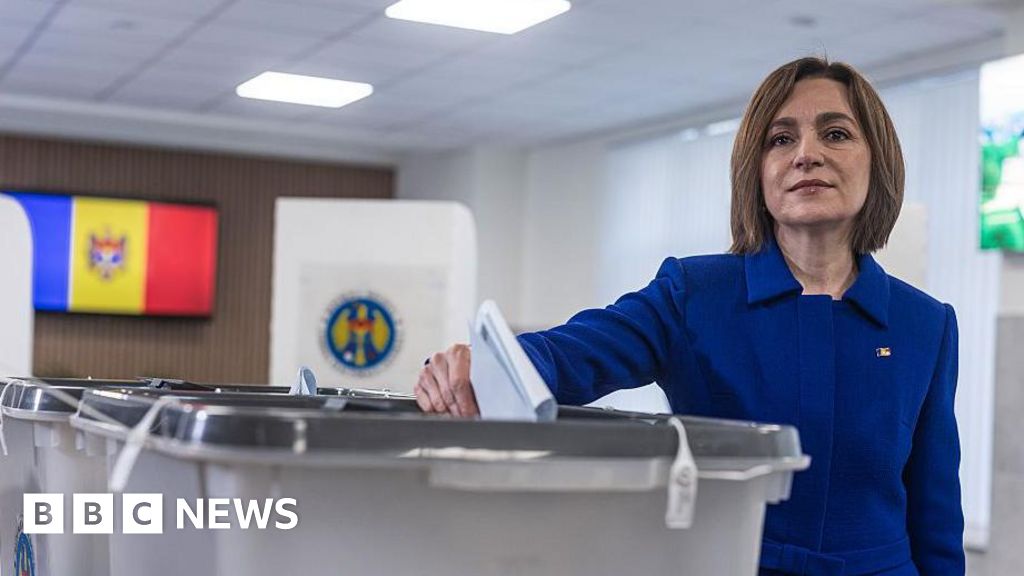
Moldova's pro-European Party of Action and Solidarity (PAS) secured a decisive victory in recent parliamentary elections, winning 50% of the vote and an anticipated 55-seat majority. This outcome firmly positions Moldova on its path toward EU integration, despite the election being marred by extensive claims of Russian interference, including disinformation campaigns and alleged plots to incite unrest. The result is viewed by European leaders as a significant bulwark against Russian regional influence, though the country continues to navigate internal political divisions and economic pressures.
Moldova's pro-European Party of Action and Solidarity (PAS) has secured a decisive parliamentary majority with 50% of the vote, which is projected to yield 55 seats in the 101-seat parliament. This outcome reaffirms the country's pro-EU trajectory and provides President Maia Sandu with a clear mandate to continue reforms required for EU accession, a process initiated when Moldova was granted candidate status in 2022. The victory is geopolitically significant, as it was achieved despite what President Sandu described as "massive Russian interference," including disinformation campaigns, alleged vote-buying, and plots to incite unrest. The result was welcomed by EU leaders as a bulwark against Russian influence in the region. However, significant internal risks persist. The pro-Russian opposition leader, Igor Dodon, has contested the result and called for street protests, signaling the potential for near-term political instability. Furthermore, the country continues to grapple with severe economic pressures, including spiralling prices and corruption, alongside the unresolved status of the pro-Russian breakaway enclave of Transnistria, which remains a source of structural tension.
AI-powered research, real-time alerts, and portfolio analytics for institutional investors.
Request DemoOverall Sentiment
moderately positive
Sentiment Score
0.40
