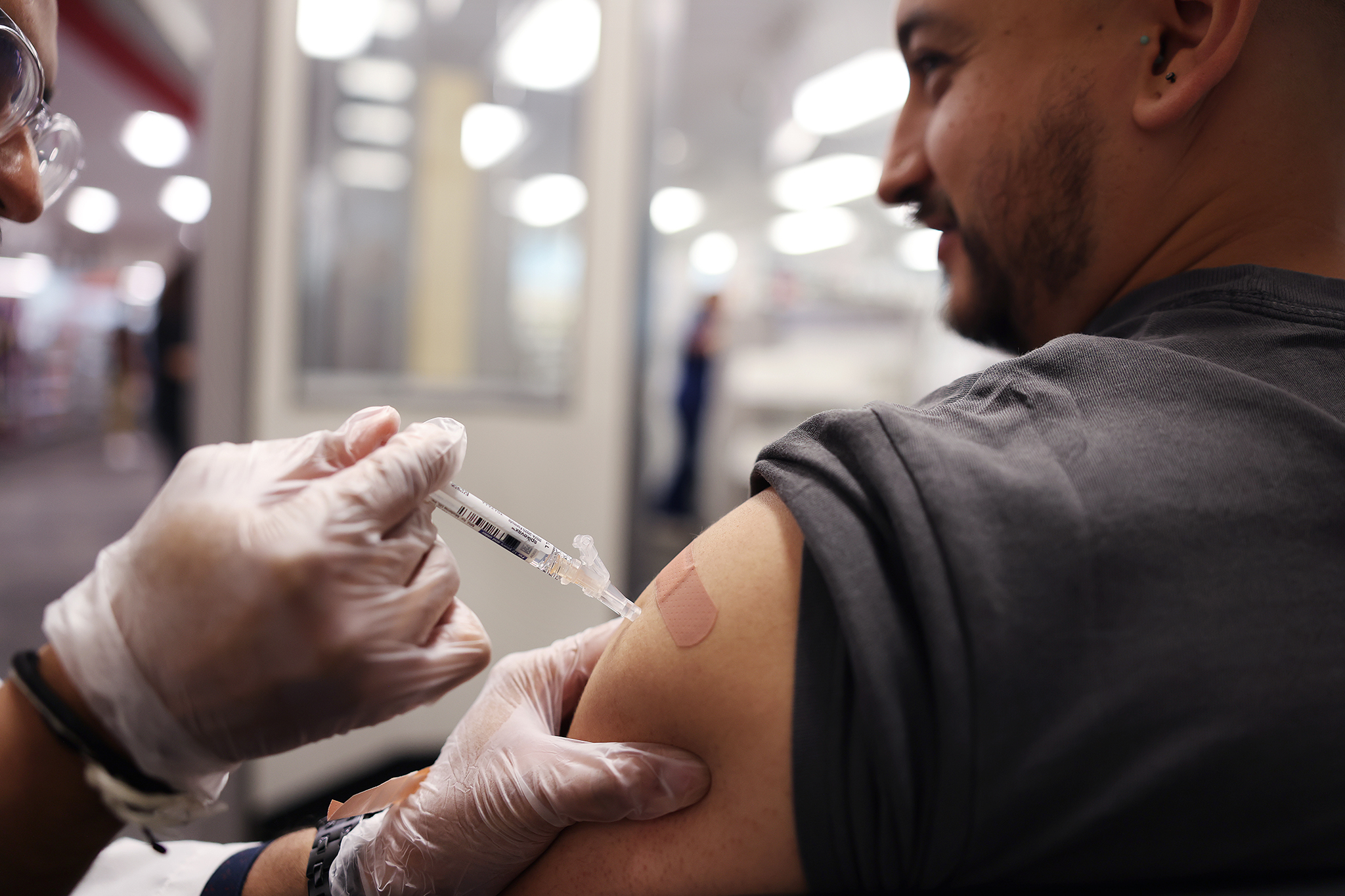
An emergent H3N2 subclade K strain, reportedly mismatched to this season’s flu vaccine and dominating internationally, is prompting California officials to warn of an early flu season with upticks already in the Bay Area and Southern California. Current hospitalizations are low but expected to rise, and UKHSA data cited a 75% reduction in hospitalization risk for children from vaccination; state health officials are urging vaccination, testing and timely antiviral treatment. The development suggests potential near-term localized impacts on healthcare utilization, staffing and short-term consumer behavior around holiday travel, but is unlikely to be a major market-moving event absent wider spread or significant hospitalization surges.
Market structure: Immediate winners are retail pharmacies (CVS, WBA) and point-of-care/rapid-test vendors (ABT, QDEL) via higher vaccine, test and antiviral foot traffic; incumbent vaccine producers (SNY, GSK, CSL, AZN) and antiviral owner Roche (RHHBY) gain pricing/volume optionality. Pricing power favors suppliers with inventory and outpatient distribution networks; hospitals gain admissions but may lose high-margin elective revenue. Cross-asset: expect a modest near-term risk-off bid into short-dated Treasuries and a small lift in healthcare equities volatility; commodities/FX impact should be negligible absent escalation.
Risk assessment: Tail risks include a severe U.S. wave that doubles flu hospitalizations (>>20% YoY), triggering government stockpiling or emergency price controls and significant elective-care deferral. Time horizons: immediate (days–weeks) for testing/vaccine demand spikes, short-term (1–3 months) for retail Q4 revenue, long-term (6–18 months) for re-formulated vaccines and new mRNA entrants. Hidden dependencies: CDC guidance, school vaccination rates, antiviral inventories and hospital capacity; catalysts are Thanksgiving travel, UK hospitalization trends and CDC/WHO reports.
Trade implications: Favor cash and defined-risk options exposure to pharmacies (CVS, WBA) and testing (ABT/QDEL) into Thanksgiving; consider 2–3% portfolio exposure to large antivirals (RHHBY) for 3–6 month upside. Implement short-dated call spreads to capture expected volatility spikes and a pair trade long retail vaccinators vs short elective-focused hospitals (CVS vs HCA) to express outpatient wins. Scale up vaccine manufacturer exposure (SNY, GSK, CSL) only if CDC/WHO data show sustained U.S. dominance of H3N2-K for >4 weeks.
Contrarian angles: The market may overprice systemic risk—UK data shows vaccines still cut pediatric hospitalization by ~75%, implying severe system-wide disruption is low-probability and gains for small-cap diagnostic/biotech could mean-revert within 2–4 months. Historical H3N2 waves (2014–2018) created short-lived winners; government stockpiling or price caps are the largest downside to manufacturers' upside. Watch for mispricings in small-cap testing names and for opportunities to fade rallies once national ILI/hospitalization metrics stabilize below trigger thresholds.
AI-powered research, real-time alerts, and portfolio analytics for institutional investors.
Request DemoOverall Sentiment
mildly negative
Sentiment Score
-0.25
