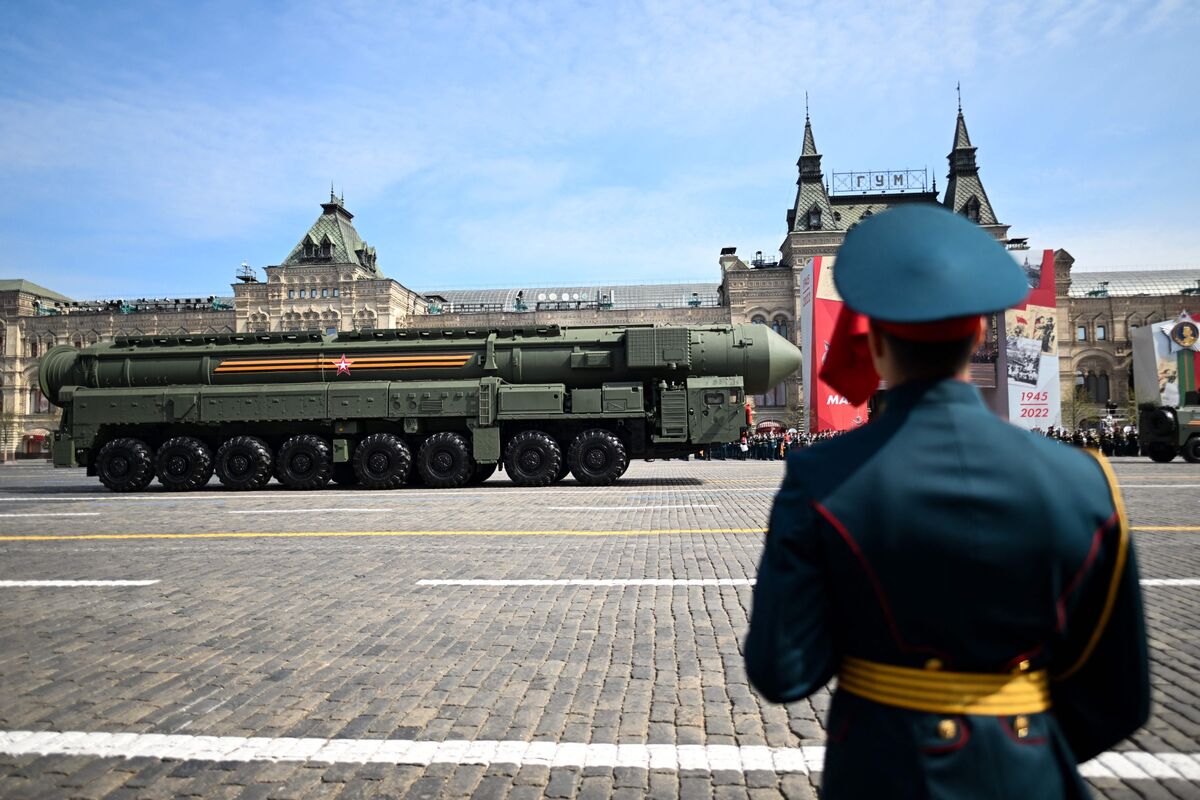
Russian President Vladimir Putin proposed a new arms control treaty with the US for strategic offensive weapons, ahead of his summit with President Donald Trump. This initiative, aimed at fostering long-term global peace and stability, signals a potential resumption of high-level strategic arms discussions between the two nuclear powers.
Russian President Vladimir Putin has initiated a diplomatic overture by proposing a new arms control treaty with the United States ahead of a scheduled summit with President Donald Trump. The proposal, aimed at managing strategic offensive weapons, is framed as a foundational step toward ensuring long-term peace and stability globally. The market's reaction, as indicated by a "mildly positive" sentiment score of 0.1 and a very low market impact score of 0.1, suggests that investors view this development as a constructive but highly preliminary step. The low impact score reflects significant skepticism regarding the likelihood and timeline of a tangible agreement, treating it more as a geopolitical positioning statement than an imminent market-moving event. The primary implication is a potential, albeit distant, reduction in geopolitical risk premium, which is not yet being priced into assets.
AI-powered research, real-time alerts, and portfolio analytics for institutional investors.
Request DemoOverall Sentiment
mildly positive
Sentiment Score
0.10
