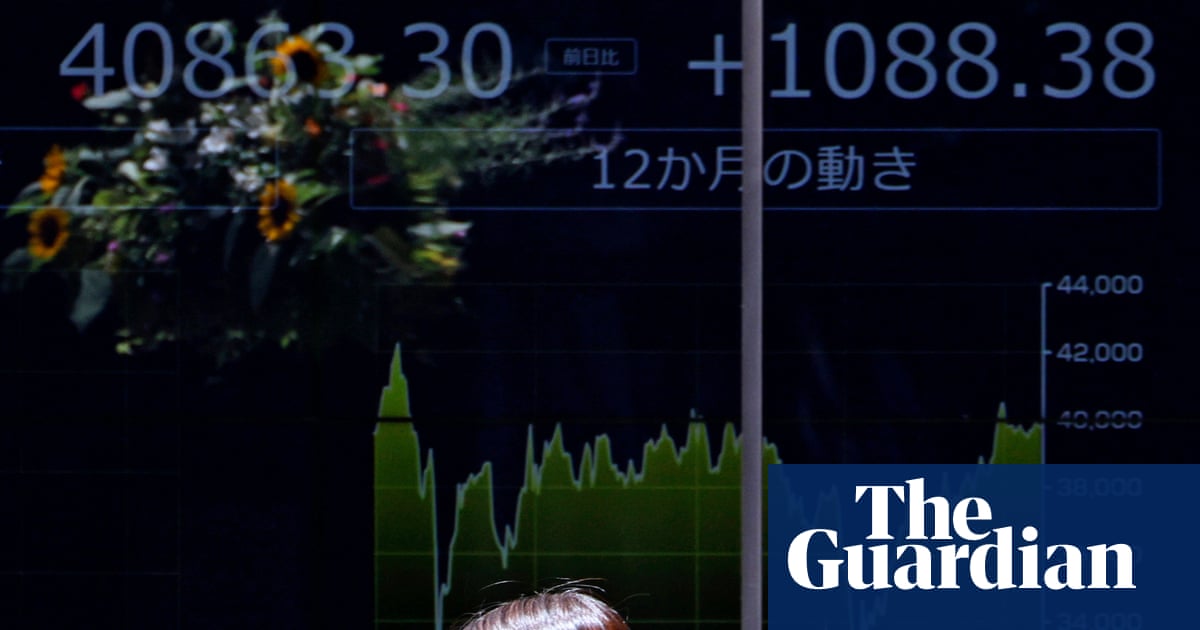
Global financial markets rallied after the US and Japan reached a trade deal, reducing threatened tariffs on Japanese goods from 25% to 15%, which, while still above the previous baseline, alleviated immediate uncertainty. This agreement spurred significant gains in Japanese equities, notably carmakers like Toyota (+14%), and boosted European markets, with the FTSE 100 hitting a record high. Investors view this as a potential blueprint for future trade negotiations with the EU, fostering optimism, yet analysts caution that the new tariff levels remain higher than pre-Trump rates, posing long-term inflationary risks despite short-term market relief.
A US-Japan trade agreement has catalyzed a significant global equity rally by reducing a threatened 25% tariff on Japanese goods to a new rate of 15%. This development provided substantial relief to markets, evidenced by a 3.5% surge in the Nikkei index and a notable 14% jump in Toyota's shares. The optimism was widespread, with the FTSE 100 reaching a record high and EU automakers like Volkswagen rising over 5% on speculation that this deal could serve as a blueprint for upcoming negotiations with the EU. However, this short-term euphoria, driven by the resolution of immediate uncertainty, masks a more challenging long-term reality. The new 15% tariff remains above the previous 10% baseline, signaling a net increase in trade friction that could fuel inflationary pressures for US consumers and disrupt supply chains. As noted by economists, if this becomes the standard for future deals, it may contribute to a gradual deterioration of the macroeconomic backdrop rather than a true normalization of trade relations.
AI-powered research, real-time alerts, and portfolio analytics for institutional investors.
Overall Sentiment
strongly positive
Sentiment Score
0.80
Ticker Sentiment
