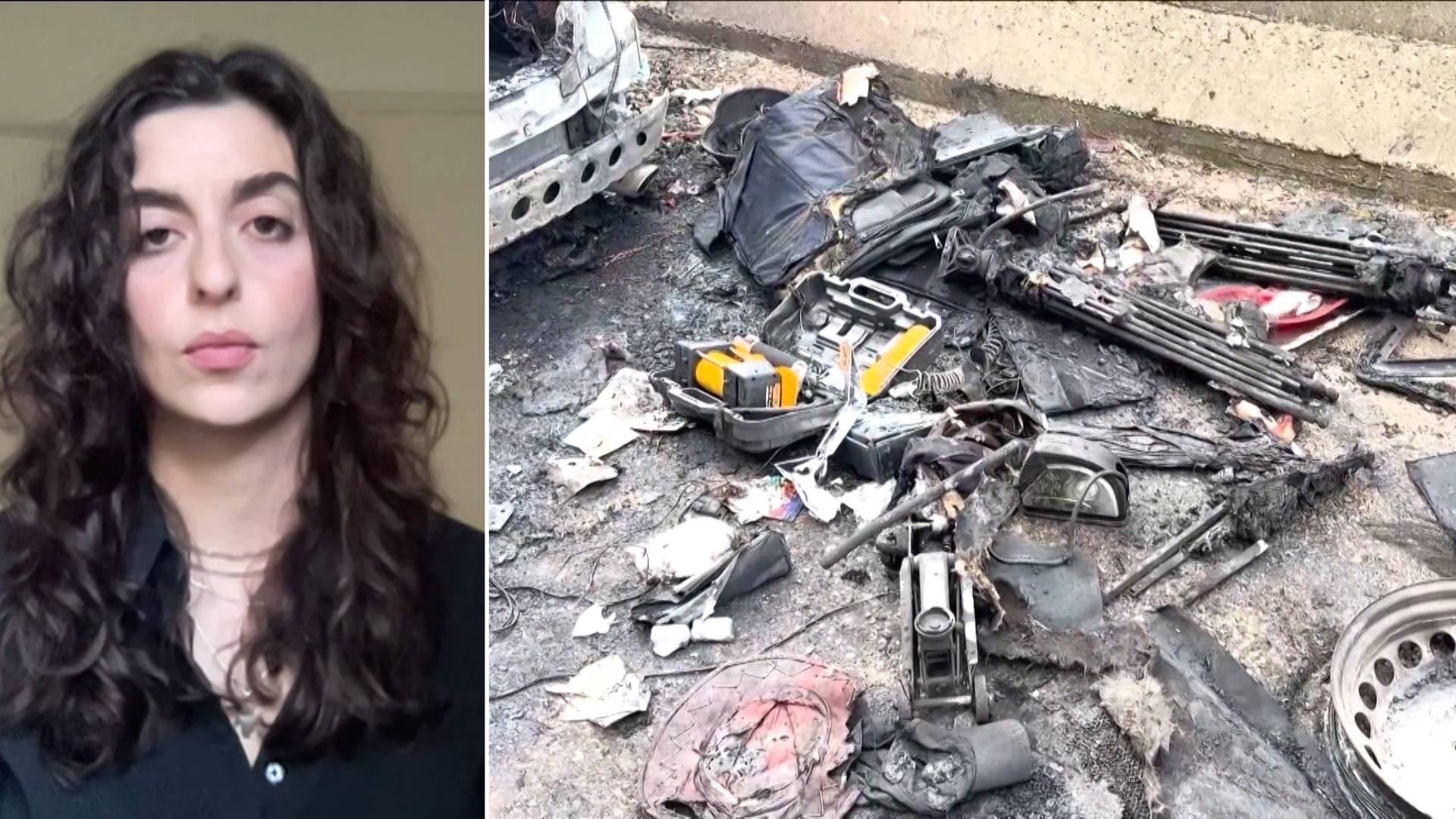
Three journalists were killed in a marked press car strike in southern Lebanon; the WHO says nine paramedics died in separate strikes Saturday and 51 health workers have been killed by Israeli action in March. Israel announced plans to expand operations in southern Lebanon and admitted a doctored photo was used to justify targeting one journalist—heightened regional conflict risk that could pressure energy and defense-sensitive assets and prompt risk-off flows; monitor escalation, US/UN diplomatic responses, and any disruption to regional energy routes.
The immediate operational effect we should model is a step-up in demand for ISR, strike-attribution and munitions logistics services over the next 1–3 months. Historically, regional kinetic flares in the Levant drive 10–25% re-rating in large defense primes’ short-cycle programs (sensors, targeting pods, loitering munitions) within 90 days as militaries accelerate procurement and urgency buys; satellite and imagery vendors see a material uptick in NGA/DoD/OTR contracts and per-image pricing power.
A second-order channel is the insurance and commercial-shipping cost shock for Eastern Mediterranean trade lanes and adjacent ports. Marine war-risk and regional kidnap/ransom premia typically spike 20–40% within weeks of sustained hostilities, squeezing margins for container lines and ultimately raising landed costs for exporters in nearby EMs — a mechanism that can widen tradeable volatility between logistics-heavy and defense-heavy baskets.
Reputational and legal dynamics create asymmetric, longer-dated tail risk for firms tied to information operations and media platforms: claims, content-restrictions, and advertiser pull-back can depress ad revenues regionally by multiples and make litigation (UN/ICRC submissions, sanctions-linked investigations) a multi-quarter drag. Key reversals are clear — a U.S.-brokered ceasefire, rapid UN enforcement, or demonstrable de-escalation would compress defense and gold risk premia within 30–90 days; conversely, cross-border escalation into Syria or maritime incidents would materially extend the upside for security suppliers.
Net: prefer convex exposure — direct, short-duration plays on ISR/defense and satellite imagery plus liquid macro hedges — avoid idiosyncratic media operators and long-duration EM cyclicals that will absorb rising insurance and operational costs if conflict persists beyond three months.
AI-powered research, real-time alerts, and portfolio analytics for institutional investors.
Request DemoOverall Sentiment
strongly negative
Sentiment Score
-0.85
