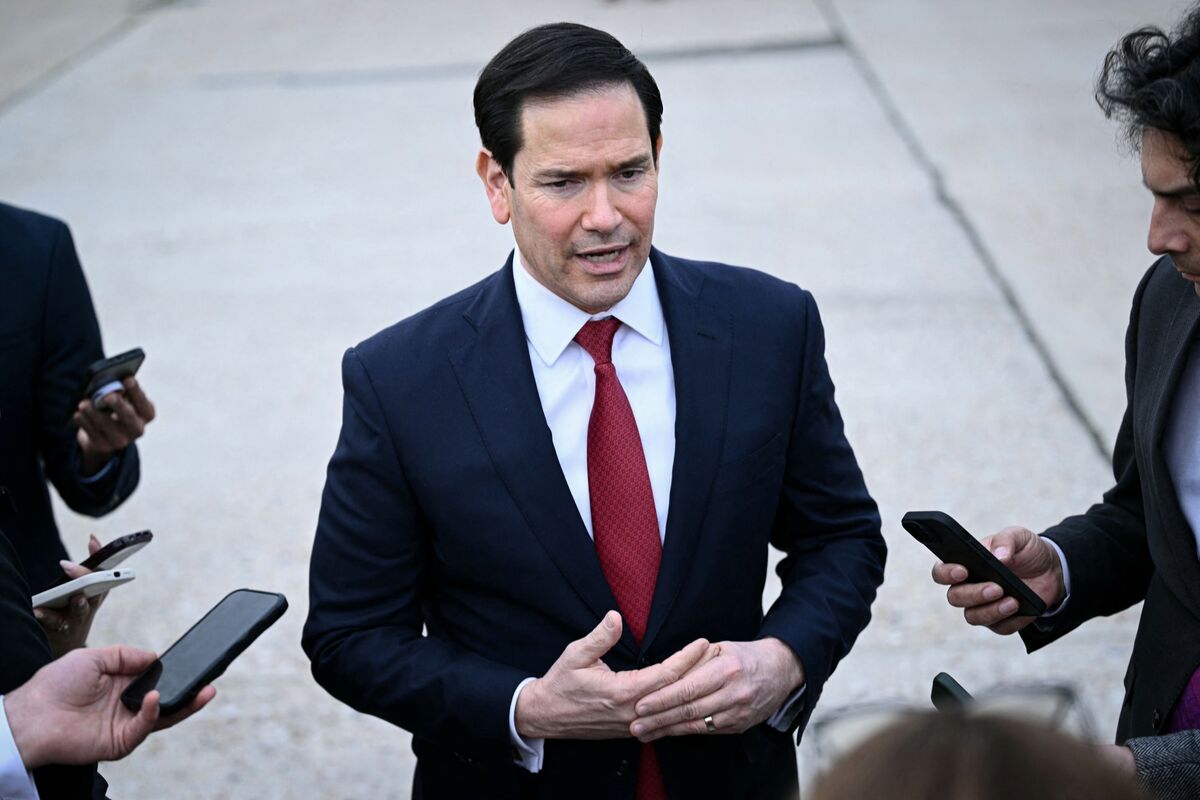
The US may 'reexamine' its relationship with NATO after the Iran war, according to Secretary of State Marco Rubio, citing NATO members' alleged refusal to allow use of military bases. Rubio's comments — echoing President Trump's prior criticisms of NATO as weak — signal rising political friction with allies and could lift defense-sector risk premia and geopolitical uncertainty, though broader market moves are likely limited absent further escalation.
A US-driven retrenchment of multilateral reliance tends to concentrate near-term demand on domestic primes and expeditionary services rather than pan-European integrators. Expect outsized order flow for platforms and sustainment that support dispersed basing and rapid deployments (airlift, tanker, ISR, munitions logistics) — a 6–18 month window for funded program acceleration as emergency supplemental requests circulate through appropriations cycles. Secondary beneficiaries include engine and avionics OEMs (high-margin aftermarket revenue) and services firms that supply base construction, fuel, and sustainment in partner states.
Main tail risks are bifurcated by time horizon: headline-driven volatility in days (rhetoric spikes, press cycles) versus structural budget re-allocation over 6–24 months if policymakers institutionalize bilateral basing and procurement. A true strategic split with allies would force supply-chain re-shoring, creating capex-led winners in US manufacturing but also multi-year inefficiencies as European firms ramp competing national programs. Reversal triggers: rapid diplomatic détente or binding NATO commitments restored would remove the short-term procurement premium within weeks to months and re-open pan-European collaborative programs.
Markets can misprice the durability of a rhetoric-driven bump — a single emergency supplemental can boost near-term revenue but leave long-term order books unchanged if congressional appetite wanes. That argues for options or structured exposure rather than outright buy-and-hold on large-cap defense names, and tactical long exposure to specialist contractors that service overseas basing (logistics, fuel, temporary construction) where contract lead times are shortest. Monitor voting calendars, defense supplemental bill text, and announced bilateral base access deals as high-signal catalysts over the next 3–9 months.
AI-powered research, real-time alerts, and portfolio analytics for institutional investors.
Request DemoOverall Sentiment
mildly negative
Sentiment Score
-0.25
