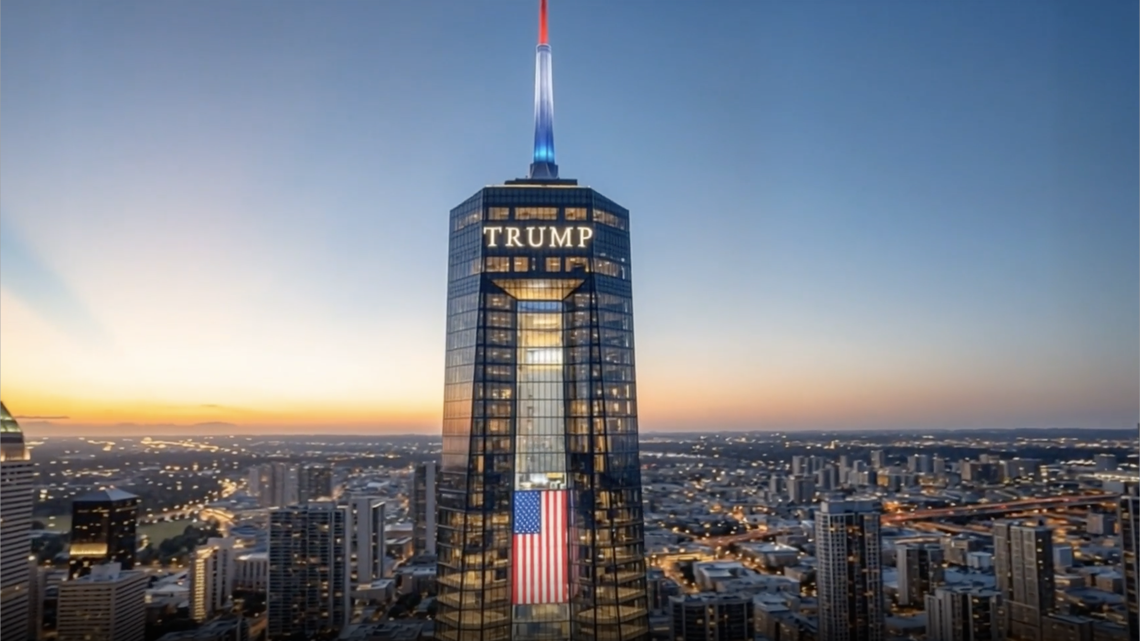
The Trump Library Foundation released renderings for a massive Miami skyscraper and plans to raise nearly $1.0 billion over the next three years; the project sits on a 2.6‑acre lot transferred by Miami Dade College/state at no cost. The teaser shows commercial-scale features (Air Force One replica, golden statues, ballroom, large TRUMP branding) and the project received expedited IRS nonprofit approval amid transparency lawsuits over the land transfer. Political controversy surrounds state involvement and potential foreign-donation rules for presidential libraries, but the announcement is descriptive and unlikely to have material market impact.
Localized construction and materials supply chains are the most direct, under-appreciated beneficiaries if the project proceeds: large vertical projects concentrate steel, cement, glass and specialty MEP demand into a 12–36 month procurement window that can lift regional volumes by a few percent and force spot-price premiuming on bulks. Publicly traded aggregates and heavy materials suppliers will see margin pickup from higher utilization and spot pricing power, while large A/E/C firms that can mobilize complex vertical deliveries capture outsized incremental margin versus small local contractors.
The primary near-term risk is legal and political delay: transfers, transparency suits and zoning/Federal overflight or safety reviews create a 6–24 month median schedule slippage on projects of this profile, with cost overruns of 15–30% plausible if litigation forces redesign or specialty remove/alter centerpiece elements. Funding concentration risk is also acute — reliance on high-profile settlements and donor flows creates a binary fundraising outcome that can materially change expected contractor cashflows.
Second-order winners if built include luxury hospitality and experiential media (high-end events, licensing of branded spaces), which produce recurring cashflow streams that are disproportionate to footprint; auction houses, luxury retail and premium security services are examples. Conversely, reputational and regulatory spillovers could increase insurance and borrowing costs for nearby municipal projects, raising local cap rates and compressing valuations for Miami-centric RE holdings.
The project is a binary, asymmetric opportunity: small, option-like long exposures to construction/materials and engineering winners pay well if groundbreaking occurs within 18 months, while modest hedges against regulatory delay or fundraising failure (short regional RE or buy protection) protect downside. Position sizing should be calibrated to this binary payoff — think option-sized allocations, not core holdings.
AI-powered research, real-time alerts, and portfolio analytics for institutional investors.
Request DemoOverall Sentiment
neutral
Sentiment Score
0.00
