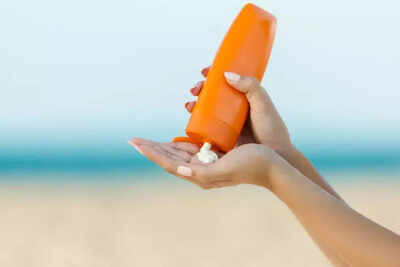
A recent study reveals that approximately 80% of sunscreens may be ineffective or contain concerning ingredients like oxybenzone and retinyl palmitate, while usage remains low, particularly among men (14% apply regularly before extended sun exposure). The Environmental Working Group (EWG) found that many sunscreens offer subpar protection, and some brands, like Neutrogena, face scrutiny for ingredients deemed unsuitable for leave-on cosmetics, despite marketing claims. Dermatologists advise using broad-spectrum sunscreen with SPF 15 or higher, minimizing sun exposure, and reapplying frequently, emphasizing consistency over high SPF numbers.
Recent dermatological research and findings from the Environmental Working Group (EWG) highlight significant concerns within the sunscreen market, with approximately 80% of products potentially offering suboptimal protection or containing worrisome ingredients such as oxybenzone and retinyl palmitate. This issue is compounded by low consumer adherence to regular sunscreen application, notably with only 14% of men and 30% of women reporting consistent use before extended sun exposure. The EWG's 2015 evaluation of over 1,700 sun-care products further substantiates these concerns, indicating four out of five products deliver subpar protection. Neutrogena, a prominent brand, faces specific scrutiny for including methylisothiazolinone in baby formulas marketed as hypoallergenic—an ingredient the European Commission’s Scientific Committee on Consumer Safety deemed unsuitable for leave-on cosmetics—and for promoting SPF levels (70-100+) that the US Food and Drug Administration suggests offer no meaningful benefit beyond SPF 50. These findings, reflected in a negative sentiment score (-0.3) and a warning tone, suggest potential reputational risks for implicated brands and a broader industry challenge regarding product efficacy and ingredient safety, despite a currently low market impact score (0.1). The emphasis on consumer education, tools like the EWG database, and dermatologists' preference for consistent use of broad-spectrum, mineral-based sunscreens (SPF 15-50) may drive shifts in consumer demand towards brands perceived as safer and more transparent.
AI-powered research, real-time alerts, and portfolio analytics for institutional investors.
Overall Sentiment
Negative
Sentiment Score
-0.30
Ticker Sentiment
