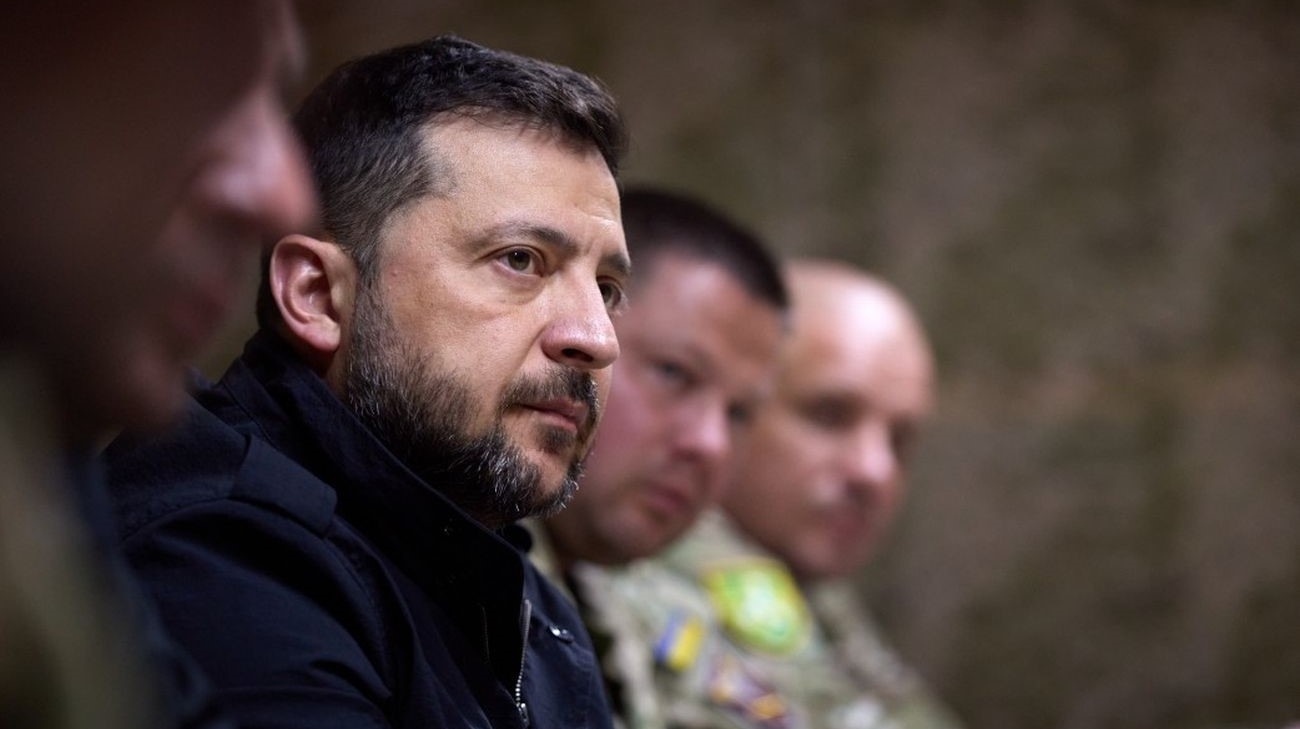
Ukrainian President Zelenskyy reported that seized Russian maps from Donetsk Oblast reveal significant internal misinformation within the Russian military, showing their command distorted battlefield realities by claiming control over areas Ukraine has liberated. This suggests flawed operational assessments within the Russian forces, contrasting with Ukraine's reported liberation of 160 sq km in the Dobropillia and Pokrovsk areas. Such discrepancies could impact the conflict's trajectory and broader geopolitical stability, as Russia's strategic decisions may be based on inaccurate intelligence.
Reports based on seized Russian military maps in the Donetsk Oblast indicate a significant disconnect between battlefield realities and the information being relayed to Russian command. Ukrainian President Zelenskyy's statements reveal that Russian field reports falsely claim control over areas recently liberated by Ukrainian forces, such as the 160 sq km of territory near Dobropillia and Pokrovsk. This internal misinformation suggests a critical flaw in Russia's command and control structure, potentially leading to flawed strategic planning and inefficient resource allocation. The discrepancy is further highlighted by contrasting Russia's public messaging—which projects the imminent capture of Donbas—with the operational reality of Ukrainian advances. While Russia is expected to redeploy personnel to reinforce its positions, the reliance on inaccurate intelligence points to systemic weaknesses that could undermine its military effectiveness and prolong the conflict.
AI-powered research, real-time alerts, and portfolio analytics for institutional investors.
Request DemoOverall Sentiment
moderately positive
Sentiment Score
0.50
