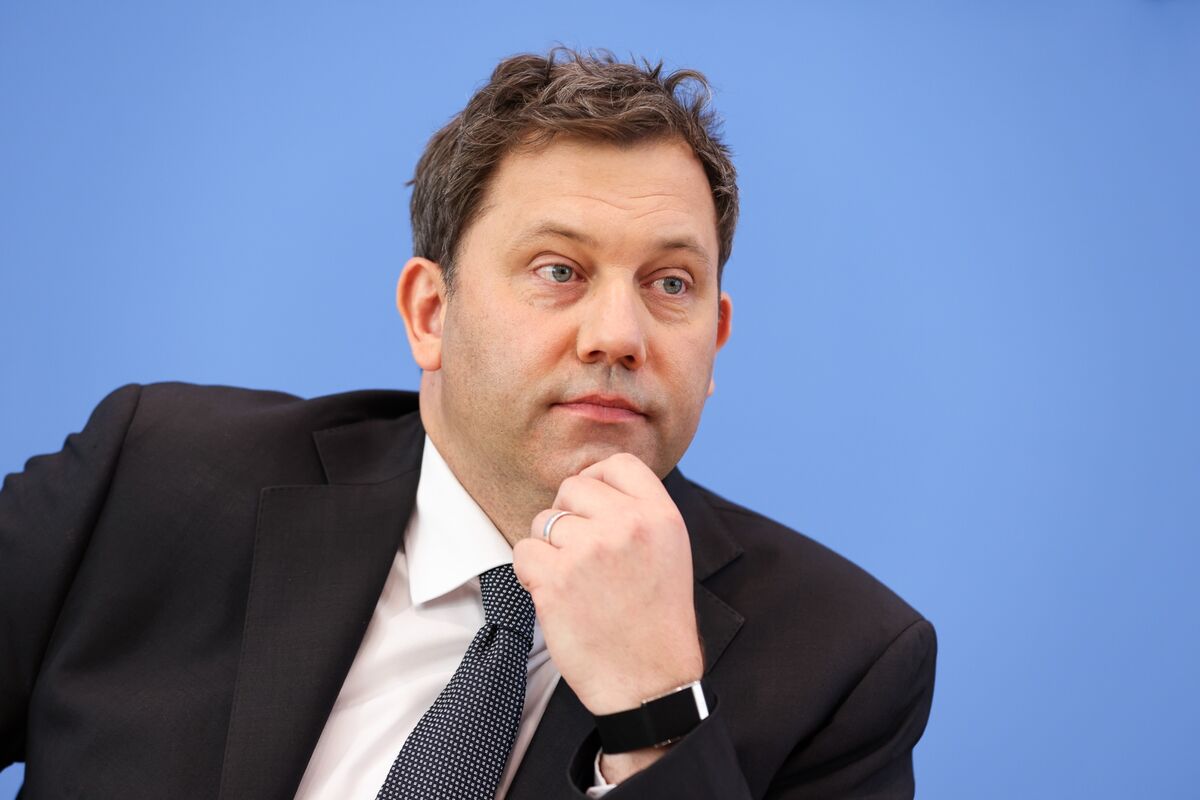
Germany’s Vice Chancellor Lars Klingbeil renewed his call for an EU windfall profits tax to offset the impact of the energy price spike on households and companies. The proposal remains politically contested, with Klingbeil acknowledging there is currently no majority support in Brussels. The news is mildly negative for European energy producers and could keep tax policy uncertainty elevated.
The market-level implication is less about the tax itself and more about the signaling effect: once Brussels starts entertaining retroactive or punitive sector levies, the discount rate applied to regulated European utilities, integrated energy, and commodity-linked cash flows rises. Even if the policy never clears, the headline risk can widen valuation spreads versus US peers because Europe now carries an additional quasi-sovereign take-rate overhang that can reappear whenever inflation or household stress resurfaces. Second-order, this is mildly supportive for short-duration beneficiaries tied to consumer relief and rate-sensitive domestic demand. If a windfall levy is framed as offsetting utility bills, it can be politically used to justify softer fiscal transfers or targeted subsidies, which may blunt near-term price pressure but also delay cleaner supply-side reforms. That is structurally negative for capital-intensive energy infrastructure in Europe, because investors will demand a higher hurdle rate before funding new generation, storage, or grid buildout if cash extraction risk is seen as cyclical rather than exceptional. The real catalyst window is months, not days: coalition dynamics in Brussels and national capitals matter more than the speech itself. A credible push can still move relative pricing in the next 4-8 weeks if it starts to contaminate budget negotiations or election rhetoric. The contrarian view is that the trade may be over-anticipated: because most governments already know windfall taxes are blunt and investment-negative, the eventual outcome could be a watered-down one-off or symbolic levy, which would create a relief rally in European utilities and energy names if positioning becomes too defensive.
AI-powered research, real-time alerts, and portfolio analytics for institutional investors.
Overall Sentiment
mildly negative
Sentiment Score
-0.15
