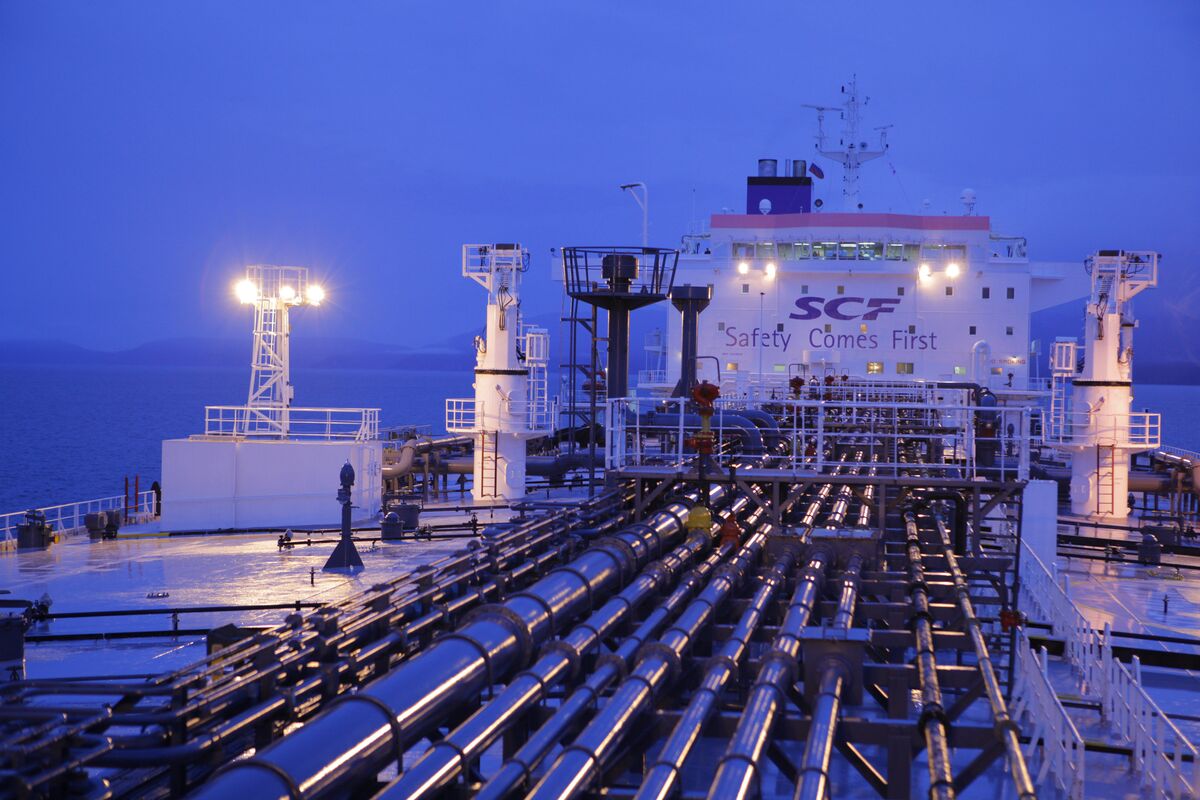
US sanctions are significantly impeding Russia's Arctic oil shipments to China, causing nearly three-week longer transit times for tankers, now averaging seven weeks per voyage from Arctic and Baltic Sea ports via the Northern Sea Route. This friction, attributed to all deployed vessels being under OFAC sanctions, highlights the increasing effectiveness of US measures in disrupting Moscow's energy trade.
US sanctions are significantly disrupting Russia's Arctic oil shipments to China, evidenced by a nearly three-week increase in transit times this year. Voyages from Russia's Arctic and Baltic Sea ports to northern China via the Northern Sea Route now average seven weeks, up from approximately four weeks previously. This operational friction is directly attributed to all deployed vessels being under US Office of Foreign Assets Control (OFAC) sanctions.
This extended transit time highlights the increasing effectiveness of US measures in impeding Moscow's energy trade, specifically targeting its ability to monetize Arctic resources. The delays suggest higher logistical costs and reduced efficiency for Russian crude exports, potentially impacting their competitiveness and reliability in the Asian market. This situation underscores a tightening of the global energy supply chain due to geopolitical factors.
The strongly negative sentiment surrounding these developments indicates a pessimistic outlook for Russia's sanctioned oil trade. While no specific tickers are mentioned, the broader market impact score of 0.55 suggests a notable influence on energy markets, likely through increased supply chain risk and potential shifts in global oil flows. Investors should monitor the sustained efficacy of these sanctions and their long-term implications for global energy security and pricing.
AI-powered research, real-time alerts, and portfolio analytics for institutional investors.
Overall Sentiment
strongly negative
Sentiment Score
-0.75
