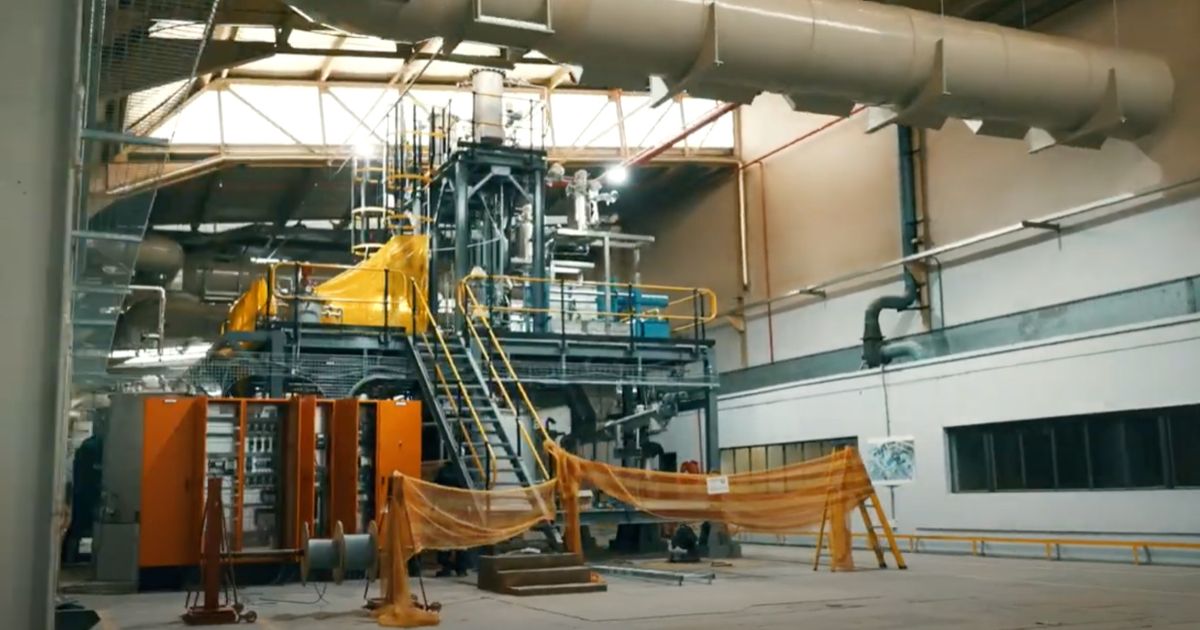
Giyani Metals (TSX-V:EMM) announced it has received a letter of interest from the Export-Import Bank of the United States for a potential $225 million loan over 15 years to advance its manganese operations; the loan is contingent on due diligence and completion of a definitive feasibility study (DFS), expected in Q1 2026. CEO Charles FitzRoy emphasized the importance of securing offtake agreements, particularly with US companies, as high-purity manganese sulphate monohydrate production is scheduled for Q3 this year, aligning with growing US demand driven by breakthroughs in high-manganese battery chemistry.
Giyani Metals Corp. has achieved a significant project de-risking milestone by securing a non-binding letter of interest from the Export-Import Bank of the United States for a potential $225 million loan. The 15-year term of this proposed financing is a key positive, as it would substantially lower annual debt service and improve project economics. However, the funding remains contingent upon critical future events: the successful completion of a definitive feasibility study (DFS) and subsequent due diligence. Operationally, the company has strategically aligned itself with the US government's initiative to secure critical mineral supply chains, making the finalization of offtake agreements with US firms a prerequisite for the loan. Giyani is actively pursuing these agreements, supported by the production of sample products and the scheduled Q3 production of high-purity manganese sulphate monohydrate (HPMSM). This strategy is well-timed, capitalizing on a documented shift by major US automakers like Ford and GM towards high-manganese battery chemistries. The DFS itself is now slated for completion in Q1 2026, a revised timeline attributed to incorporating learnings from its demonstration plant in Johannesburg, which is reportedly the largest of its kind outside of China.
AI-powered research, real-time alerts, and portfolio analytics for institutional investors.
Overall Sentiment
strongly positive
Sentiment Score
0.75
Ticker Sentiment
