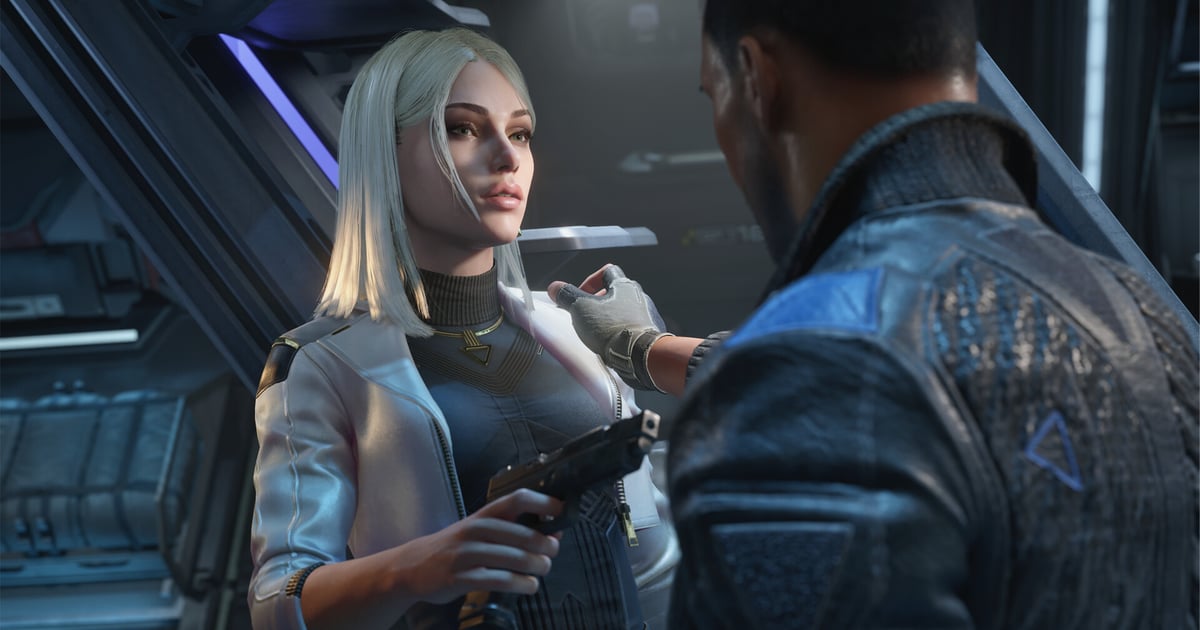
Owlcat Games confirmed it is using generative AI for prototyping and placeholder assets on its upcoming RPG The Expanse: Osiris Reborn and stated all AI-generated placeholders will be replaced and final in-game assets will be 100% human-made. This disclosure is primarily reputational/operational—unlikely to move financials or stock prices materially—but it underscores broader industry adoption of genAI and modest disclosure risk following similar incidents at Pearl Abyss and Capcom.
GenAI as a rapid prototyping layer materially compresses early-stage creative cycles: a conservative estimate is 20-40% faster concept iteration, which on a 12–18 month project can shave 2–6 months from preproduction and concentrate spend into later, higher-value phases (QA, narrative polish). That timing shift favors studios that can rapidly iterate and test player-facing changes, increasing the value of real-time engines, asset-pipeline automation, and cloud inference capacity.
Leakage of prototype assets into released builds is the primary operational risk and has real P&L consequences. Even a single high-profile leak can force emergency rollbacks, refunds, and legal defenses; model training/data-use litigation or takedowns could produce mid-single-digit to low-double-digit million-dollar hits for mid-sized studios within 0–12 months and create longer reputational drag.
The clear beneficiaries are tooling and infra providers that sit between artists and engines: low-latency GPUs, cloud inference, creative SaaS, and integrated middleware that governs provenance and auditing. Conversely, manual art-outsourcing firms and boutiques that cannot integrate genAI will face margin compression; studios that credibly certify 100% human-made final assets may be able to monetize trust as a marketing premium in the next 6–18 months.
Regulatory and labor responses are the wildcards over 12–36 months: artist unions, IP-rights enforcement, or disclosure rules could raise compliance costs and slow adoption. A contrarian point: the market underestimates monetizable trust — a small cohort of studios promising fully human-made finals could command pricing/PR advantages, creating a bifurcated ecosystem rather than uniform displacement of artists.
AI-powered research, real-time alerts, and portfolio analytics for institutional investors.
Request DemoOverall Sentiment
neutral
Sentiment Score
0.00
