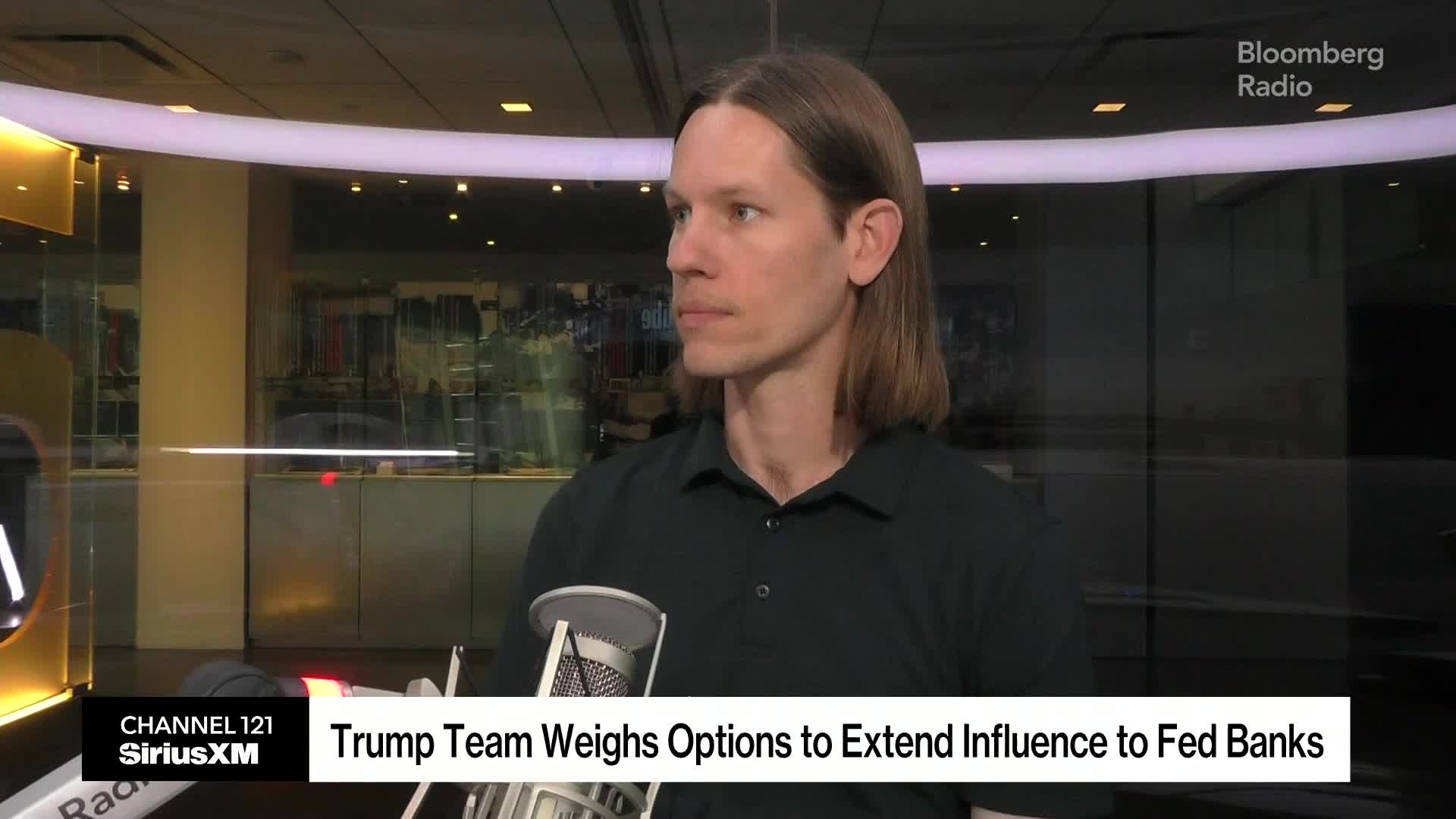
The Trump administration is reportedly exploring options to extend its influence over the Federal Reserve's 12 regional banks, aiming to impact the five regional bank presidents who sit on the rate-setting Federal Open Market Committee but are not White House-nominated or Senate-confirmed. This initiative signifies a potential effort to broaden the administration's control over monetary policy beyond the Board of Governors, raising concerns about the Fed's operational independence.
The Trump administration is reportedly exploring options to exert influence over the Federal Reserve's 12 regional banks, a significant move targeting the five regional presidents who are voting members on the rate-setting Federal Open Market Committee (FOMC) but are not political appointees. This initiative, coupled with potential changes to the Board of Governors, suggests a strategic effort to gain broader control over U.S. monetary policy beyond the traditional scope of presidential appointments. The development introduces a material risk to the operational independence of the central bank, a cornerstone of its credibility and market stability. The market's reaction, indicated by a mildly negative sentiment and an uncertain tone, reflects apprehension about the potential for increased politicization of interest rate decisions, which could lead to greater policy unpredictability and challenge long-held institutional norms.
AI-powered research, real-time alerts, and portfolio analytics for institutional investors.
Request DemoOverall Sentiment
mildly negative
Sentiment Score
-0.40
