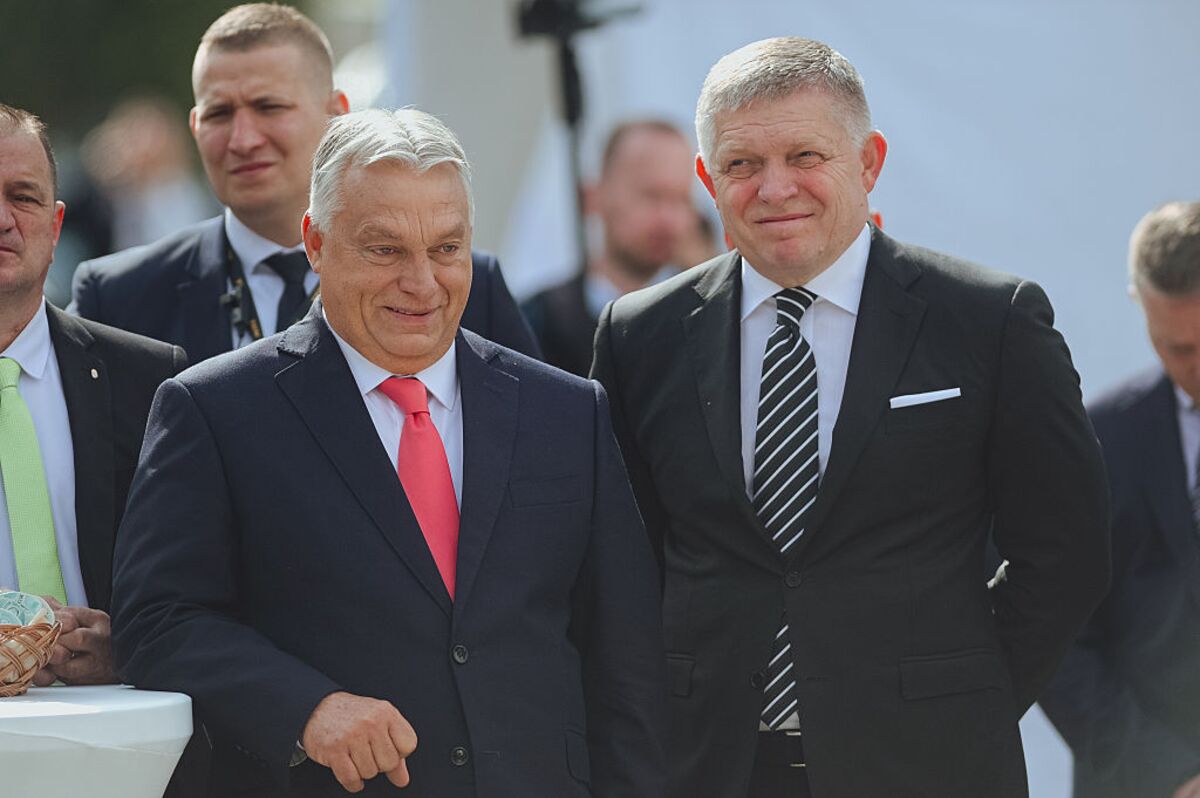
Hungarian Prime Minister Viktor Orban and Slovak counterpart Robert Fico jointly rejected international pressure to cease Russian oil imports, asserting their nations' sovereign right to determine their energy mix. This unified stance signals continued reliance on Russian energy by these Central European states, potentially impacting broader European energy diversification efforts and geopolitical dynamics within the EU.
The joint declaration by Hungarian Prime Minister Viktor Orban and Slovak counterpart Robert Fico signals a consolidated front of defiance against external pressure to cease Russian oil imports. By framing their position as a matter of national sovereignty over their respective energy mixes, the leaders are challenging the cohesiveness of broader European Union energy policy and sanction efforts against Russia. This public statement, delivered from the border of the two nations, underscores a deepening political alignment on key strategic issues and highlights a persistent fault line within the EU. The defensive tone noted in the signals is evident in their rhetoric, which positions the decision as a right under international law. This event introduces a moderately negative geopolitical variable for the region, suggesting that efforts to fully diversify European energy away from Russia will continue to face internal political resistance, potentially impacting the stability and predictability of the continent's energy supply chain and political unity.
AI-powered research, real-time alerts, and portfolio analytics for institutional investors.
Request DemoOverall Sentiment
moderately negative
Sentiment Score
-0.40
