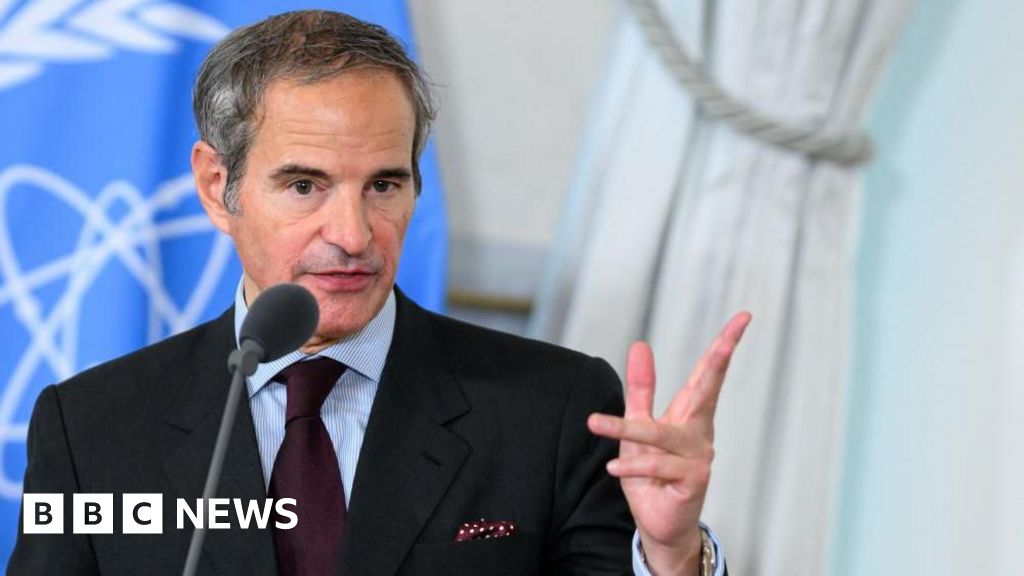
The UN nuclear watchdog chief, Rafael Grossi, stated Iran could resume uranium enrichment for a bomb within months, asserting that recent US strikes caused "severe but not total" damage, contradicting claims of total obliteration. This assessment, supported by a Pentagon leak, underscores that Iran retains significant industrial capacity, setting its program back by only months. The situation is further complicated by Iran's parliament moving to suspend cooperation with the IAEA, exacerbating proliferation risks and diplomatic challenges following the agency's finding that Tehran breached non-proliferation obligations.
The assessment from the International Atomic Energy Agency (IAEA) chief, Rafael Grossi, that Iran could resume uranium enrichment within months fundamentally challenges the narrative of a fully neutralized nuclear program. This view, which contradicts the U.S. President's claim of total obliteration, is reportedly corroborated by a preliminary Pentagon assessment, indicating that recent military strikes only set back Iran's capabilities temporarily. The core issue for markets is that the underlying proliferation risk persists, as Iran retains its industrial and technological capacity. This is compounded by a significant diplomatic escalation: Iran's parliament has moved to suspend cooperation with the IAEA, severely limiting international oversight and increasing uncertainty. The conflicting messages from Iran's own leadership regarding the extent of the damage further obscure the situation. This confluence of events—a short-term military setback, retained enrichment capacity, and a breakdown in diplomatic monitoring—points to a period of sustained geopolitical tension and elevated tail risk for regional stability and global energy markets, as reflected in the high market impact score of 0.7 and strongly negative sentiment.
AI-powered research, real-time alerts, and portfolio analytics for institutional investors.
Overall Sentiment
strongly negative
Sentiment Score
-0.75
