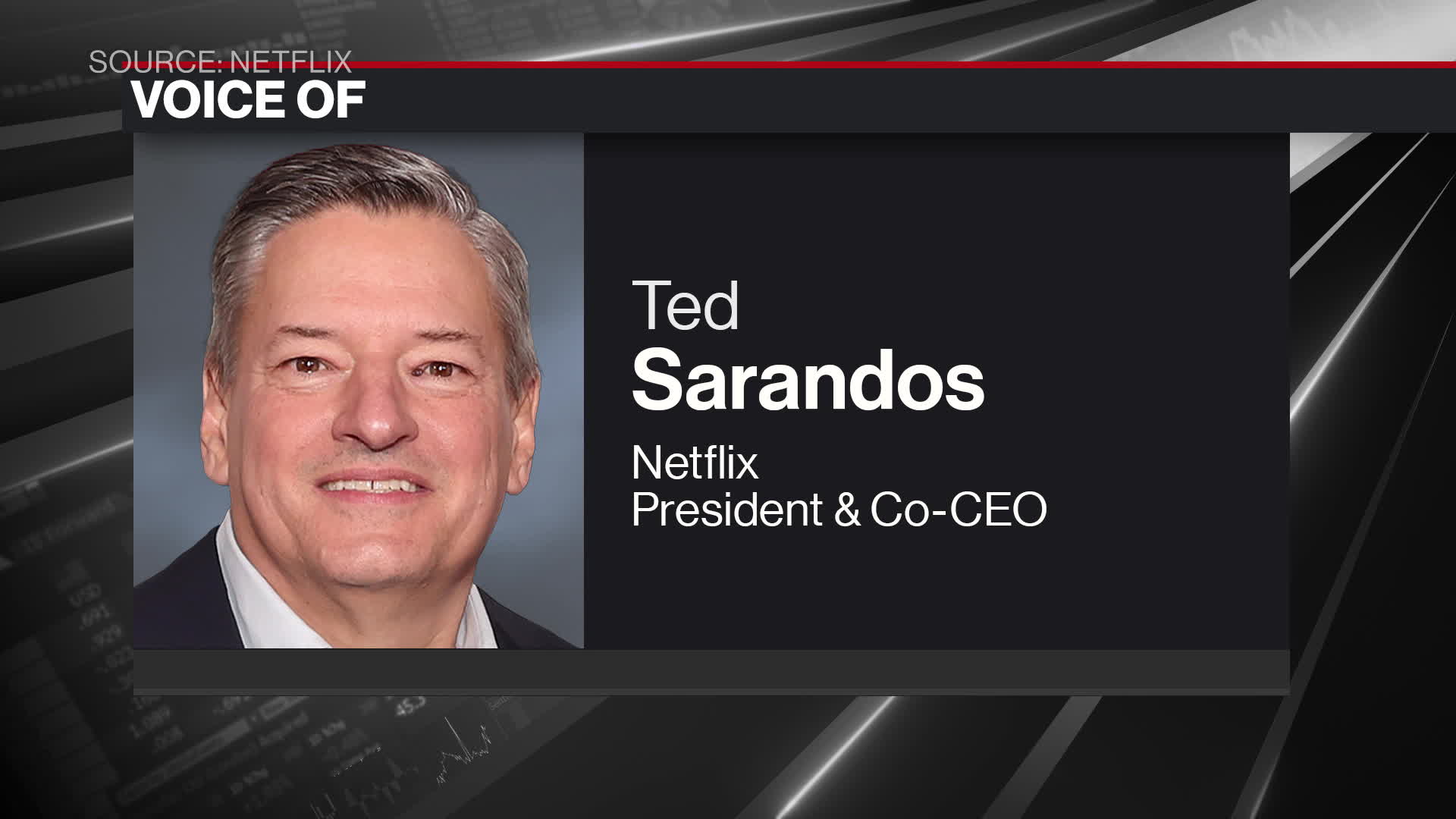
The company disclosed it will acquire three businesses outside its current operations, including a motion-picture studio with an established theatrical distribution capability. Management stated there are currently no redundancies and intends to keep the acquired businesses operating largely as they are, committing to maintain the studio's existing theatrical release strategy. The remarks emphasize a hands-off integration approach that minimizes disruption but provided no financial metrics or timing.
Market structure: An acquirer picking up an integrated motion‑picture studio + theatrical distribution and promising to “keep operating largely as they are” is a win for theatrical exhibitors and distribution incumbents because it preserves windowing and physical release economics; expect IMAX/AMC/Cinemark to see a 3–8% re‑rating tail if market-level confidence in theatrical windows rises over 6–12 months. The losers are pure‑play streaming aggregators that rely on bypassing theatrical windows (Netflix NFLX, Amazon AMZN) as content scarcity tightens and licensing fees/competition for premium release slots increase. Cross‑asset: modest near‑term tightening in high‑yield spreads for media acquirers if M&A is debt‑financed (+25–75bps risk), small uplift to movie‑related FX (CAD/AUD for production hubs) and commodity demand for film equipment is negligible.
Risk assessment: Tail risks include antitrust review (10–20% probability within 3–6 months), a major box‑office flop causing goodwill impairments (15–25% over 12 months), or labor strikes disrupting releases (20–30% during negotiations). Short term (days–weeks) expect muted price moves; medium (3–6 months) depends on release slate clarity; long term (12–36 months) outcome tied to integration discipline and monetization of IP across windows. Hidden dependencies: revenue tied to theatrical calendar concentration (3–5 tentpole films drive ~50% of studio EBITDA), distributor‑exhibitor revenue share clauses, and contingent earnouts; catalysts include slate release dates, Q reporting on content amortization, and any DOJ/FTC filings within 30–90 days.
Trade implications: Direct plays — favor theater operators IMAX (IMAX) and Cinemark (CNK) over streaming; consider 2–3% position each with 12‑month horizon and stop‑loss at −20%. Pair trade — long CNK (2%) vs short NFLX (1.5%) to express windowing normalization while hedging market beta. Options — buy 3–6 month call spreads on IMAX (debit) to capture asymmetric upside if theatrical confidence returns; sell out‑of‑the‑money calls on legacy studio owners if volatility spikes >40% to harvest premium. Rotate +1–2% from broad Consumer Discretionary into Communication Services (XLC) exposure focused on content owners within 3 months.
Contrarian angles: Consensus underestimates the economic value of theatrical distribution as a multi‑year monetization lever — owning physical distribution can preserve 20–40% higher first‑window revenue vs direct‑to‑stream in some franchises; the market may underprice that optionality. Reaction may be underdone: if acquirer keeps windows, near‑term box‑office upside is asymmetric relative to risk (potential +30–50% on small caps). Historical parallels: 2010s studio M&A shows modest short‑term dilution but >24‑month uplift when IP exploitation is disciplined. Unintended consequence: preservation of theatrical windows could accelerate premium licensing tensions with streamers, increasing content costs (pressure on streamer margins) and creating further pair‑trade opportunities.
AI-powered research, real-time alerts, and portfolio analytics for institutional investors.
Request DemoOverall Sentiment
neutral
Sentiment Score
0.15
