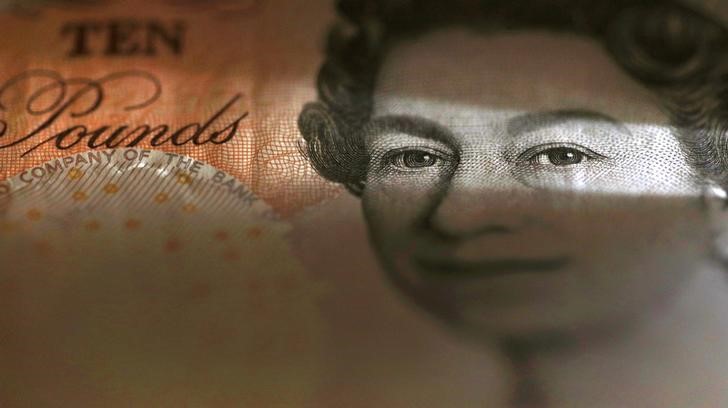
Brent crude has surged above $100/bbl — roughly 60% above pre-conflict levels — and European/UK natural gas is over 70% higher, prompting the BoE's Financial Policy Committee to call the Middle East conflict a substantial shock to the global economy. FX moves: GBP/USD 1.3310 (+0.6%), EUR/GBP 0.8717 (-0.2%); ING warns of deeper dovish repricing in the UK and sees EUR/GBP moving toward ~0.880 as BoE tightening is expected to be priced out. Geopolitical headlines (Trump saying U.S. forces will leave Iran in 2–3 weeks and halted shipping through the Strait of Hormuz) are driving elevated volatility and risk-off positioning, increasing downside risk to UK assets and putting upward pressure on energy-driven inflation and market-wide rates repricing.
The market is repricing a lower-For-Longer Bank of England while energy-driven real-economy shocks raise the probability of a multi-quarter sterling underperformance versus both the euro and the dollar. Mechanistically this is a cross between a policy shock (expected BoE easing compresses UK yields) and a terms-of-trade shock (higher oil/gas widening the current account and compressing domestic demand), which together favor FX carry unwinds and push GBP options skews wider — a small move in realized vol will amplify P&L for leveraged FX positions.
Second-order winners will not be large UK exporters but asset owners with USD/EUR liabilities (pension funds, insurers) who see balance-sheet relief as gilts rally; losers include UK-focused banks and mortgage servicers facing higher credit and funding costs if energy-driven growth slows and CDS widens. Also watch corporate FX hedging: large multinationals that hedge GBP revenues will see realized FX wins/losses concentrated over the next 2–6 quarters, which can produce outsized EPS revisions and intra-sector dispersion that quants can exploit.
Catalysts and timing: near-term (days–weeks) moves will be driven by energy price prints and ECB/BoE-speak; medium-term (1–3 months) by realized UK growth prints, BoE minutes, and shipping security developments in the Gulf. Reversals are clear — a 20–30% retracement in Brent or a credible diplomatic de-escalation would rapidly restore risk appetite and reverse crowded FX flows; equally, fiscal-health headlines or persistent gas-to-oil winter shocks would push the trade further. Position sizing should assume a fat-tailed geopolitics distribution: expect 4–8% episodic moves in crosses rather than quiet carry decay.
AI-powered research, real-time alerts, and portfolio analytics for institutional investors.
Request DemoOverall Sentiment
strongly negative
Sentiment Score
-0.55
Ticker Sentiment
