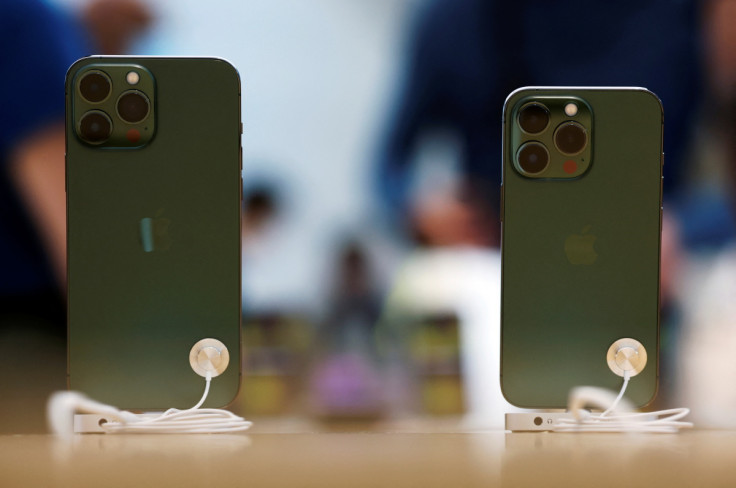
Social-media nostalgia for the iPhone 13 Pro has resurfaced as MacRumors reports, based on supply-chain sources, that Apple may alter its 2026–2027 rollout by debuting iPhone 18 Pro models and a folding iPhone in autumn 2026 while delaying the standard iPhone 18 until spring 2027. The shift—framed as a production and complexity-management move—would be an unusual departure from Apple’s annual cadence and could shift the timing of unit shipments and revenue recognition, warranting monitoring for potential short-term impacts to sales cadence and supplier volumes.
Market structure: A delayed iPhone 18 standard model shifts revenue timing and likely raises near-term ASP/margins because Apple would sell a higher mix of Pro/foldable devices; winners include Pro/component suppliers (high-end camera sensors, foldable panel makers) and Apple’s services/buyback leverage, losers include low-end component vendors and retailers reliant on seasonal iPhone footfall. Competitive dynamics: if Apple consciously staggers SKUs it preserves pricing power but risks unit-share loss to Android OEMs in emerging markets; expect a 2–6% headwind to global handset unit growth for Apple in the impacted quarter(s) if the delay holds. Supply/demand: a spring 2027 push creates pent-up demand and inventory risk — either a sharp sales spike (beneficial for suppliers with capacity) or muted upgrades if macro softens, implying +/-10–15% swing in quarterly component orders. Cross-asset: anticipate higher AAPL implied volatility into supply-chain confirmations (options), limited impact to IG bonds unless guidance cuts >3–5% EPS; minor USD flow; commodity exposure concentrated in rare earths/camera-grade materials (sensitive to timing shifts).
Risk assessment: tail risks include poor yields on the folding design (manufacturing write-downs), a competitor stealing upgrade demand with a late-2026 flagship, or regulatory/antitrust actions that force pricing changes; each could cost Apple >$5–10bn revenue over 4 quarters. Time horizons: immediate (days) — sentiment/vol spikes; short-term (weeks–months) — supply-chain confirmations and margin revisions; long-term (quarters–years) — potential structural ASP lift vs. unit-share erosion. Hidden dependencies: services revenue growth is tied to active installed base — a 3–6% unit shortfall can still leave services intact but slows RPU growth; carrier subsidy timing and trade-in flows are second-order drivers. Catalysts: Apple supply-chain notices, supplier earnings (Foxconn, Sony, Largan) in next 4–12 weeks, and Apple’s own product event/earnings commentary.
Trade implications: direct — favor AAPL exposure to capture margin upside but use option-defined risk: a 6–9 month call spread to capture an autumn/pro launch re-rating; short small positions in narrow-play component names that depend on standard-model volumes (camera lens/assembly names) for a 5–10% downgrade risk. Pairs — long AAPL vs short consumer-electronics retailers (XRT) or small-cap component peers; rotate into semicap/display suppliers if foldable confirmations arrive. Options — buy 6–12 month call spreads and sell short-dated calls/put spreads tactically to harvest rumor-driven vol; size 1–3% portfolio risk per strategy and trim at +15–25% or on negative guides. Entry/exit — enter on confirmed supplier notes (2–6 weeks), exit or hedge if Apple signals >3% unit guide change or implied vol compresses by >40%.
Contrarian angles: consensus underestimates buybacks and services insulation — even a delayed base model may not meaningfully impair cash flow if ASP rises and buybacks persist, which could support EPS within 1–2% of prior estimates. The market may over-penalize Apple for a timing shift (short-term drop), creating a tactical buying opportunity; historical parallels (iPhone SE/X cycle adjustments) show revenue timing shifts often recover within 2–4 quarters. Unintended consequences include channel stockpiling or gray-market markdowns that compress component orders beyond models — watch supplier order cuts >10% as a trigger to switch to defensive posture.
AI-powered research, real-time alerts, and portfolio analytics for institutional investors.
Request DemoOverall Sentiment
neutral
Sentiment Score
-0.05
Ticker Sentiment
