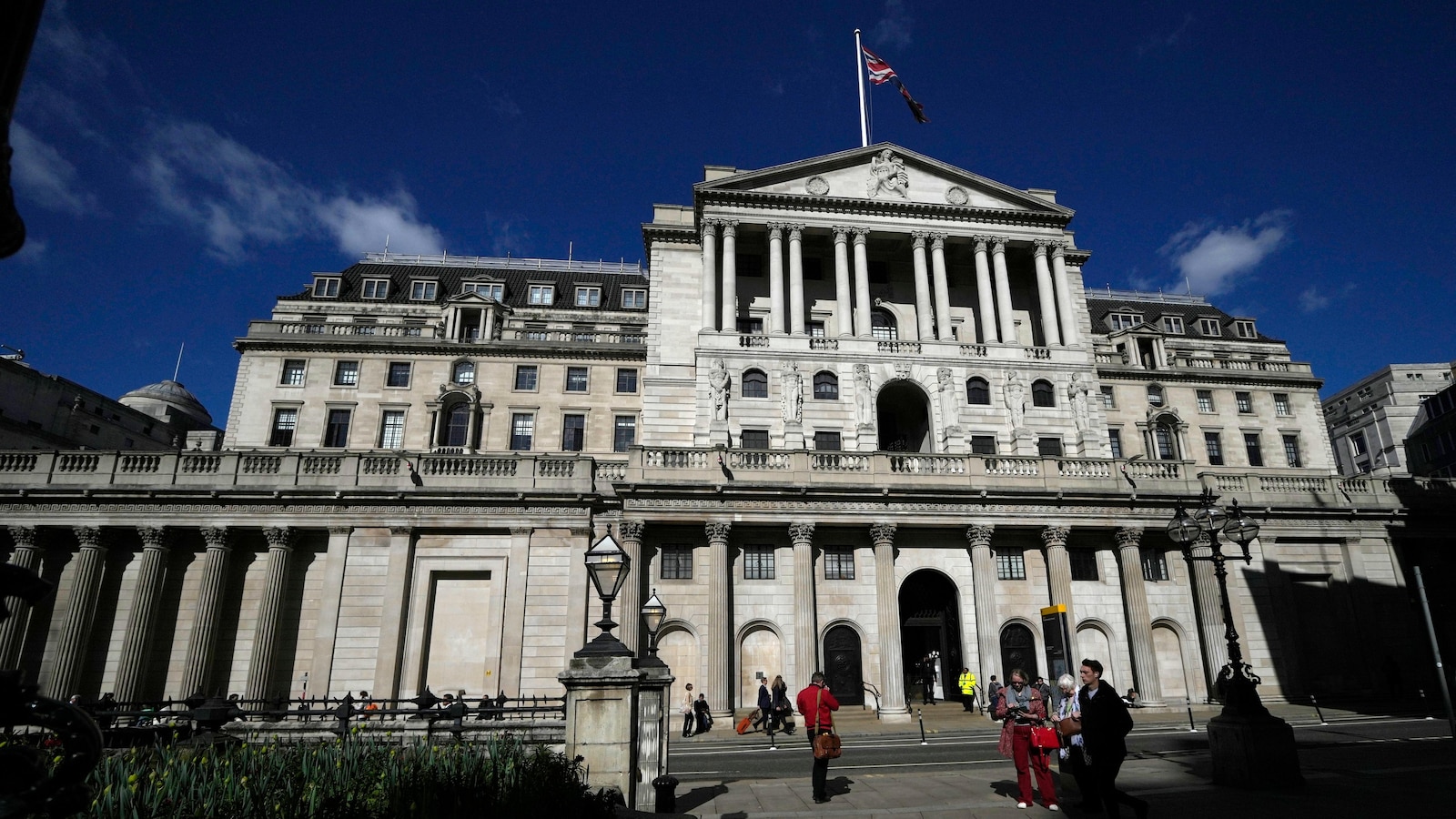
The Bank of England reduced its main interest rate by 25 basis points to 4%, its lowest level since March 2023, following a 5-4 Monetary Policy Committee vote. This move aims to stimulate the sluggish UK economy, evidenced by 0.7% Q1 2025 growth and a 4.7% unemployment rate, despite consumer price inflation remaining above the 2% target at 3.6% (though seen as temporary). The cut seeks to boost consumer and business confidence, yet its effectiveness may be tempered by ongoing concerns over potential tax increases and broader economic uncertainties.
The Bank of England has enacted a 25 basis point rate cut to 4.0%, a move aimed at stimulating a sluggish UK economy characterized by a four-year high unemployment rate of 4.7% and modest 0.7% Q1 2025 growth. The decision, however, was highly contentious, passing on a narrow 5-4 vote by the Monetary Policy Committee, which signals significant internal division on the appropriate policy path. This proactive easing occurs despite consumer price inflation standing at 3.6%, well above the 2% target. The bank's rationale rests on its forecast that the current inflation is a temporary spike, driven by energy costs, and will recede to the target level next year. The effectiveness of this monetary stimulus is challenged by considerable headwinds, including the looming threat of fiscal tightening through potential tax rises in the Autumn Budget and persistent uncertainty from the global trade environment, which may continue to suppress consumer and business confidence.
AI-powered research, real-time alerts, and portfolio analytics for institutional investors.
Request DemoOverall Sentiment
mixed
Sentiment Score
-0.10
