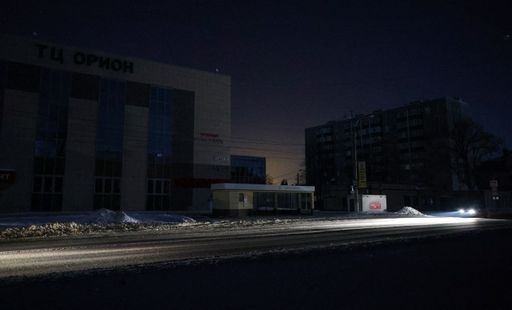
Russian officials reported overnight Ukrainian drone strikes that caused extensive damage to energy infrastructure in western border regions; the Defence Ministry said 38 Ukrainian drones were shot down (10 over Belgorod, 26 over Bryansk) while Belgorod Governor Vyacheslav Gladkov reported outages and ongoing repairs across Belgorod city and multiple districts. Restoration efforts are underway but power remained partly out in Belgorod, with Bryansk reporting outages in Klintsovsky district that were quickly restored. For investors this raises localized operational and infrastructure risk to regional energy delivery and increases geopolitical tail risk—monitor near-term regional power disruptions, potential impacts on energy-related and defense-sector exposure, though broader market-moving implications appear limited absent further escalation.
Market structure: Near-term winners are NATO-aligned defense contractors (RTX, LMT, NOC) and grid/hardening equipment suppliers (ABB, Siemens Energy) as demand for air-defence and rapid-repair services spikes; losers are regional Russian utilities, local commerce in affected oblasts and Russian sovereign/credit instruments. Pricing power shifts toward urgent-capex suppliers — expect emergency procurement to support sequential revenue upgrades for select defense and transmission-equipment names over 1–4 quarters. Commodity signal: modest upward pressure on oil/gas (scenario +3–8% on geopolitical risk premium) and support for safe havens (gold, USTs) if attacks persist.
Risk assessment: Tail risks include major escalation that disables large export infrastructure or provokes sanctions/NATO involvement — assign a 5–15% probability over the next 3 months with multi-asset shock potential. Immediate (days): volatility spikes in energy, defense and FX; short-term (weeks–months): order flow and government procurement drive revenues; long-term (1–3 years): structural capex in grid resilience and sustained defense budgets. Hidden dependencies: supply-chain constraints for western defense kit and winter gas demand; catalysts include formal NATO aid announcements, EU energy policy moves, or a mainstream Russian counter-escalation.
Trade implications: Direct plays — overweight select defense (RTX, LMT) and integrated oil majors (XOM, CVX) with 6–12 month horizons; use options to limit capital and capture volatility. Cross-asset — short RUB/long USD and add gold (GLD) as a 0.5–1% tail hedge; expect Russian sovereign CDS and RSX ETF to widen if strikes continue. Timing: enter volatility-sensitive trades within 1–10 trading days; take profits if energy prices move +10% or defense stocks rally >25%.
Contrarian angles: Consensus may underweight longer-term grid-infrastructure winners — small/mid-cap transmission-equipment firms and EMS integrators could re-rate as multi-year capex flows materialize, while large defense names may already price a substantial premium. Historical parallels (post-2014 Ukraine) show price spikes often fade absent supply disruption; avoid levering pure commodity directional bets without a >10% move confirmation. Unintended consequence: accelerated sanctions or on-shoring could disrupt western supplier margins — monitor procurement contracts and supply-chain notices over the next 30–90 days.
AI-powered research, real-time alerts, and portfolio analytics for institutional investors.
Request DemoOverall Sentiment
mildly negative
Sentiment Score
-0.30
