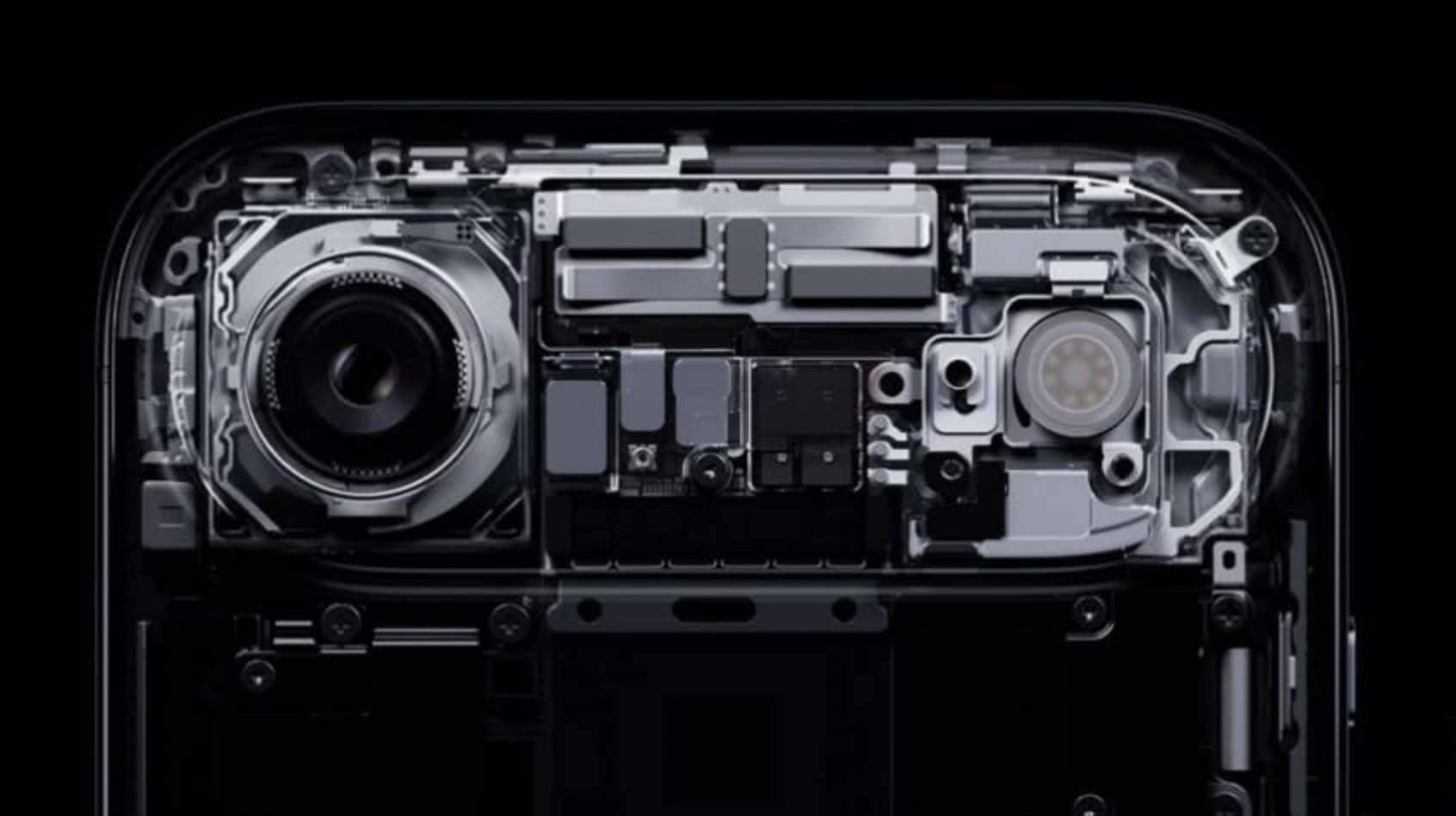
Apple is developing an ultra-thin Face ID module that would free up space in the iPhone Air to add a second (ultra wide-angle) camera, a design change aimed at addressing user complaints about hardware compromises on the $999 device. The work involves supplier requests for a redesigned TrueDepth system and signals Apple is rethinking internal packaging ahead of a second‑generation iPhone Air expected next year; separate reports note Apple is using side‑button Touch ID for an upcoming foldable iPhone to keep that device slim. The story is product- and supply-chain focused and speculative, with potential implications for component suppliers and future device form factors but no immediate revenue or margin signals.
Market structure: A thinner TrueDepth module is a small but strategic product-engineering change that benefits AAPL (maintains premium ASPs on the iPhone Air) and optical/VCSEL suppliers (order upsizing and higher-value BOM). Chinese low-cost camera-module assemblers face pressure if Apple consolidates into a handful of qualified suppliers; expect 1-3% incremental gross-margin leverage for Apple on model refreshes if ASPs hold. Competitive dynamics favor Apple regaining share vs. Android premium tiers where multi-camera parity is a buying signal.
Risk assessment: Tail risks include biometric regulation (EU/US privacy action within 6-24 months) and manufacturing yield issues from a miniaturized module that could delay shipments by 1-2 quarters or trigger recalls. Immediate market impact is negligible (days); watch short-term supplier booking flows over 3-9 months and product leaks ahead of the 2026 iPhone cycle; long-term (12-36 months) the tech could diffuse to MacBooks/foldables altering component demand profiles. Hidden dependency: concentrated VCSEL/infrared vendors create single-point supply risk and pricing leverage.
Trade implications: Tactical trade — establish a modest 1-2% long AAPL equity exposure now and layer with a 12-month 10% OTM call spread sized at 0.5-1% notional to capture product-cycle upside into 2026. Add 1-2% exposure to optical/VCSEL suppliers (e.g., Lumentum LITE-sized position) via equity or 9-12 month call spreads; rotate out of low-ASP, high-inventory Android OEMs if their inventories >2x seasonal norm. Options: sell a conservative 30-60 day put spread on AAPL to collect premium if IV compresses post-leak.
Contrarian angles: The market likely underestimates margin recovery from removing “Air” compromises — a 1-3% gross-margin swing across an iPhone cycle equates to ~$3-7B incremental gross profit for Apple annually. Conversely, the optimism may be underdone on supply constraints: if suppliers raise prices by 5-10% to cover R&D, Apple’s cost control and negotiation could compress supplier equity returns. Monitor supplier bookings and SEC Form 8-Ks over the next 3-6 months for true signal versus rumor.
AI-powered research, real-time alerts, and portfolio analytics for institutional investors.
Request DemoOverall Sentiment
neutral
Sentiment Score
0.12
Ticker Sentiment
