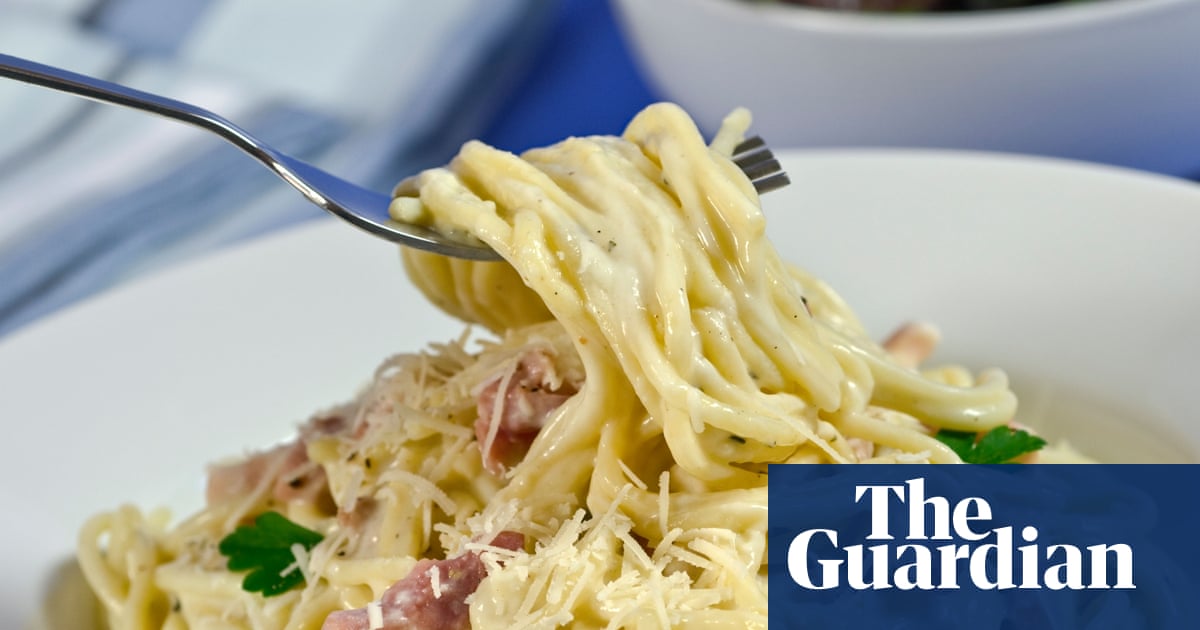
Italy’s agriculture minister Francesco Lollobrigida demanded an immediate probe after discovering own‑label “Italian‑sounding” Delhaize sauces on sale at the European Parliament supermarket — notably a carbonara labelled with “Italiaanse pancetta” (instead of traditional guanciale) and a tomato sauce citing “oignons de Calabria” — prompting complaints that packaging featuring an Italian flag could mislead consumers. EU rules allow products to be deemed misleading if labelling distorts origin, and reports said the sauces did not claim to be made in Italy and included some Italian ingredients; Delhaize has been asked to comment. The row feeds into a long‑running Italian campaign against a €120bn market in “Italian‑sounding” goods (per agribusiness group Coldiretti), heightening reputational and regulatory scrutiny ahead of a December UNESCO decision on listing Italian cuisine as intangible cultural heritage.
Italy’s agriculture minister Francesco Lollobrigida publicly demanded an immediate probe after finding Delhaize own-label sauces on sale in the European Parliament supermarket that he described as “Italian-sounding,” citing a carbonara labeled with “Italiaanse pancetta” instead of guanciale and a tomato sauce listing “oignons de Calabria.” Reports noted the products carried an Italian flag on packaging, did not explicitly claim to be made in Italy, and included some Italian ingredients; Delhaize has been asked to comment.
The episode feeds into a long-running Italian campaign against a reported €120bn market in “Italian-sounding” goods referenced by agribusiness group Coldiretti, which asserts two out of three global agrifood products marketed as Italian are not produced in Italy and identifies reputational and economic harm. EU rules permit products to be deemed misleading if labelling distorts origin, and a UNESCO decision on listing Italian cuisine as intangible cultural heritage is expected in early December, both of which could heighten regulatory and consumer scrutiny.
Market signals show a mildly negative tone with limited immediate market impact, implying this is presently a sector- and reputational-risk story rather than a systemic shock; however, formal investigations, fines or stricter enforcement of origin labelling could create downside for retailers’ private-label portfolios and upside for authenticated Italian producers.
AI-powered research, real-time alerts, and portfolio analytics for institutional investors.
Request DemoOverall Sentiment
mildly negative
Sentiment Score
-0.30
