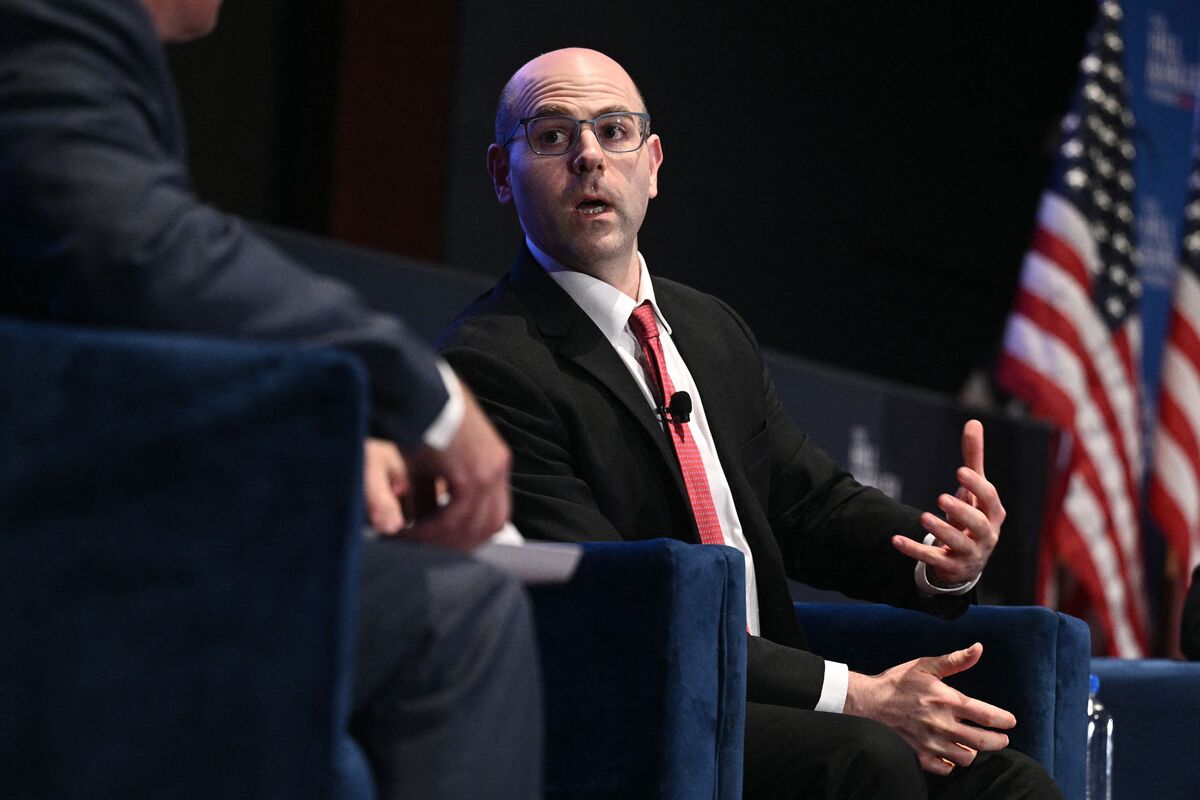
White House economic advisor Stephen Miran downplayed concerns that Section 899 of President Trump's tax-and-spending bill would deter foreign bond investors, stating on Bloomberg's Odd Lots podcast that the provision primarily targets corporate profits and does not significantly impact portfolio flows. Miran characterized fears of investment fallout as a "misinterpretation," aiming to reassure markets regarding the bill's potential effects on foreign investment.
Stephen Miran, Chairman of the White House Council of Economic Advisers, has publicly addressed concerns that Section 899 of President Trump's tax-and-spending bill could negatively impact foreign investment in U.S. bonds. Speaking on Bloomberg's Odd Lots podcast, Miran characterized these fears as a "misinterpretation," asserting that the provision "doesn’t apply to most portfolio flows" and is instead "mostly targeted at corporate profits." This official statement appears aimed at reassuring financial markets by clarifying the intended narrow scope of the so-called "revenge tax," suggesting that the administration does not foresee a significant deterrent effect on foreign bond investors. The clarification attempts to preemptively stabilize market sentiment regarding U.S. debt instruments ahead of the bill's potential enactment, emphasizing a distinction between corporate taxation and the treatment of general portfolio investments.
AI-powered research, real-time alerts, and portfolio analytics for institutional investors.
Request DemoOverall Sentiment
moderately positive
Sentiment Score
0.40
