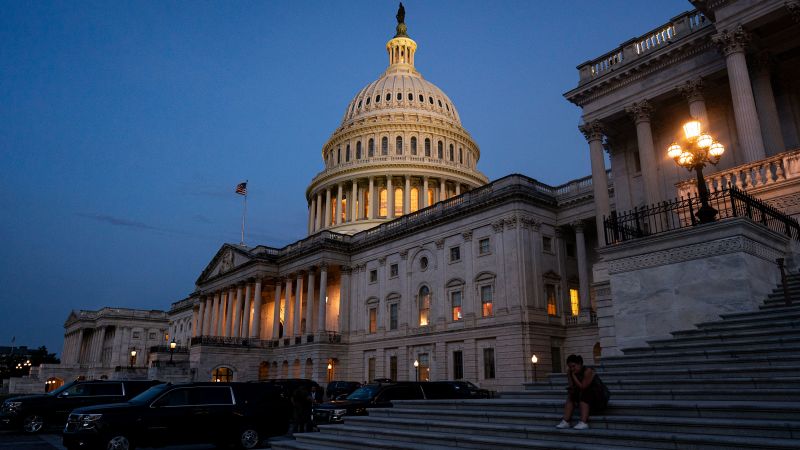
Senate Republican leaders are nearing final votes on President Trump's comprehensive domestic policy bill, encompassing significant tax cuts and spending, following extensive negotiations and a marathon session. The legislation, which the President initially aimed to sign by July 4 but is now open to delaying, must still pass the House after Senate approval, setting the stage for potential broad economic and market implications from its fiscal measures.
The U.S. Senate is nearing the final stages of passing a significant domestic policy bill championed by the Trump administration, which encompasses sweeping tax cuts and a major spending package. The legislation's advance follows a prolonged session and intense negotiations among Republican leaders, indicating a strong push to overcome internal party divisions. While the bill's passage through the Senate appears probable, it must still be approved by the House, representing a critical remaining hurdle. The President's softened stance on the original July 4 signing deadline provides legislative flexibility but underscores the bill's high priority. The neutral sentiment of the report reflects the procedural nature of the event, yet the medium market impact score of 0.55 highlights the bill's substantial economic implications. If enacted, this fiscal package could significantly alter forecasts for corporate earnings, consumer spending, and GDP growth, while also impacting the federal budget deficit and inflation outlook.
AI-powered research, real-time alerts, and portfolio analytics for institutional investors.
Request DemoOverall Sentiment
neutral
Sentiment Score
0.00
