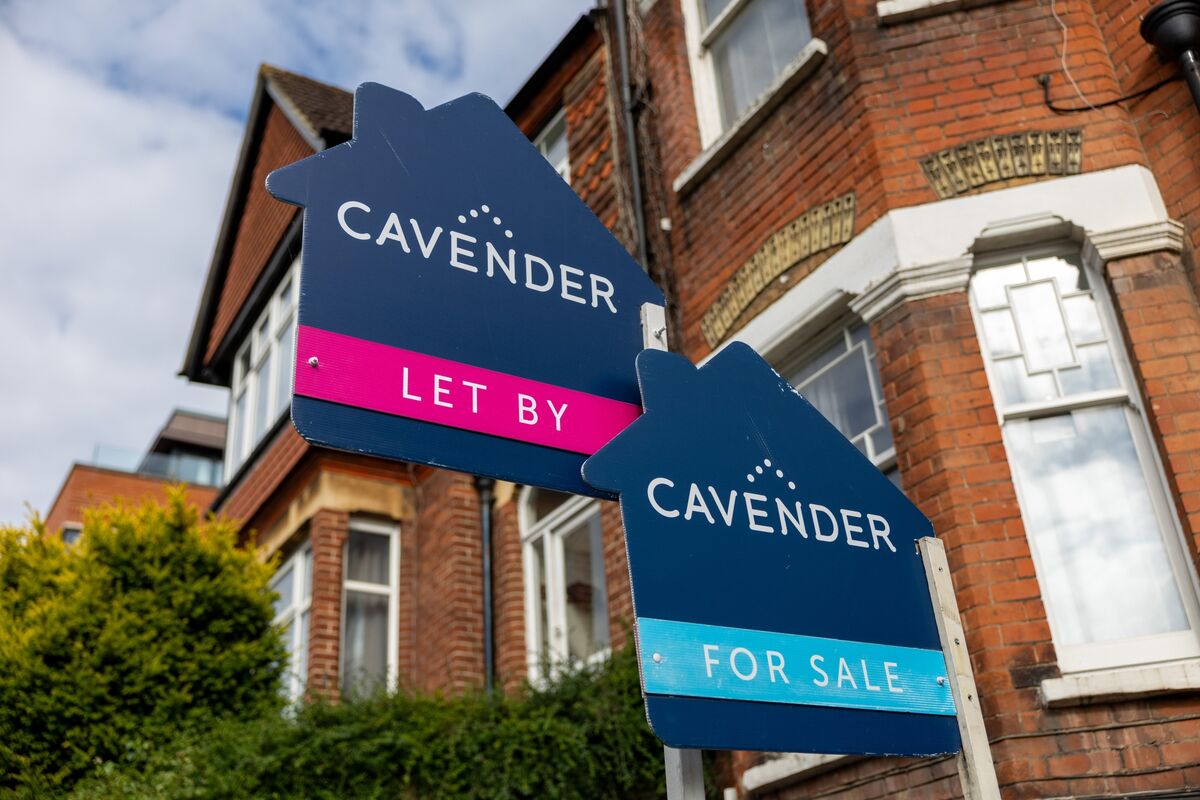
UK mortgage approvals edged down to 65,018 in October from 65,647 in September, the Bank of England reported, as prospective buyers delayed decisions amid fears of property tax rises in the upcoming budget. The print nevertheless exceeded the 64,500 economists' forecast, suggesting underlying resilience in housing demand despite policy-related uncertainty.
Market-structure: A 0.96% month-on-month drop in mortgage approvals (65,018 vs 65,647) signals a tactical demand pause, not collapse — approvals beat consensus (64,500) showing underlying resilience. Winners are bond holders and defensive cash-rich corporates if housing cools; losers are high-leverage homebuilders, mortgage originators and brokerages sensitive to transaction volume and stamp-duty changes. Competitive dynamics: builders with finished-stock and balance-sheet flexibility (larger caps) gain pricing power vs smaller speculative developers who will face margin compression if new starts fall 10-20%.
Supply/demand & cross-asset: a modest demand shock should lower near-term transaction volumes, reducing new mortgage-backed supply and pressuring RMBS spreads tighter into gilts; if the budget convinces markets rates will be cut within 6-12 months, expect 10y gilt yields to fall 20–40bp and GBP weakness vs USD of 1–3% on flow. Options imply pickup in homebuilder implied vol around the budget; commodities impact is minimal outside aggregate construction activity declines.
Risks & catalysts: tail risks include an aggressive stamp-duty/landlord-tax package that could trigger a >5% monthly approval drop and a >10% house-price correction, stressing bank CRE books. Near term (days) the UK budget is key, short-term (weeks) mortgage pricing and BoE commentary matter, long-term (quarters) affordability and unemployment drive fundamentals. Hidden dependencies: lender credit policy and pipeline approvals can mask true demand; regional bifurcation (London vs North) may create idiosyncratic winners.
Trade outlook & contrarian: consensus expects a gentle cooling; if approvals continue to slip >3% m/m or HPI turns negative MoM, materially more downside is likely and homebuilder equities should materially underperform. Conversely, if approvals rebound above 67k or budget omits punitive measures, the pullback is an overreaction and select cyclical longs (large-cap banks, property portals) offer asymmetric returns within 3–12 months.
AI-powered research, real-time alerts, and portfolio analytics for institutional investors.
Request DemoOverall Sentiment
neutral
Sentiment Score
-0.10
