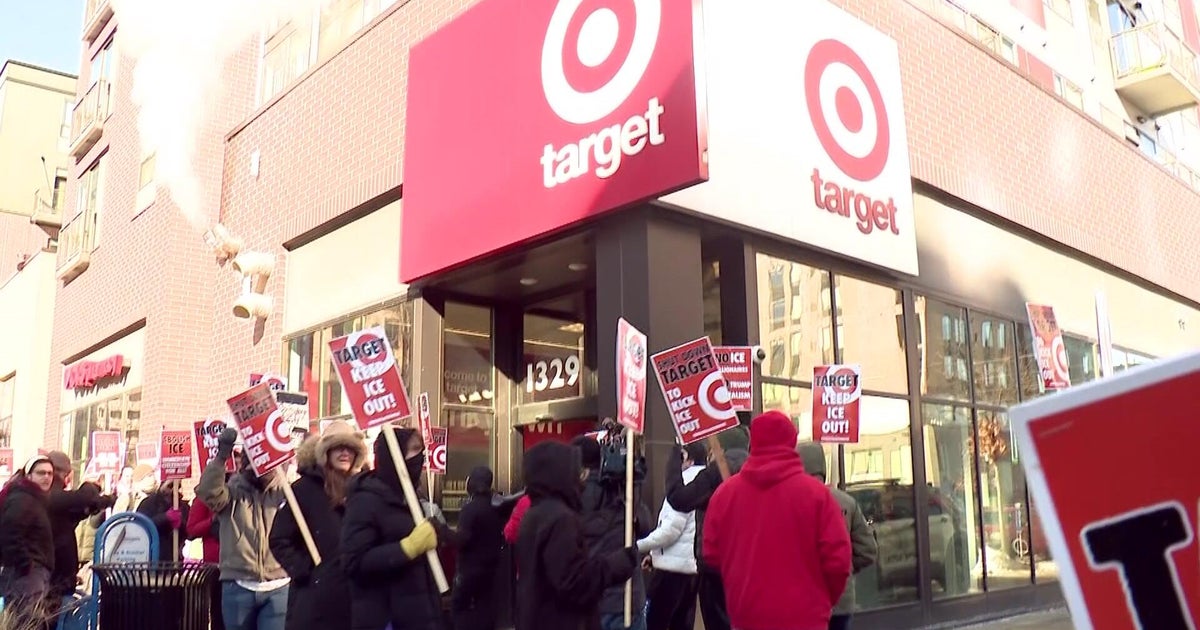
Protesters staged a sit-in at the Dinkytown Target outside the University of Minnesota, demanding Target publicly oppose ICE activity on its properties and bar agents from stores after a viral video showed immigration agents detaining two Target employees. Target declined to comment publicly while internal communications focused on safety and protocols and its incoming CEO joined other business leaders calling for de-escalation; legal experts note ICE can enter public business areas absent private-space permission. The episode presents a localized reputational and operational risk for Target and may heighten scrutiny from activists and some customers, but the immediate market impact appears limited absent escalation or wider store disruptions.
Market structure: The immediate winners are large, low-cost or membership-based grocers (COST, WMT) and e-commerce (AMZN) that can capture urban foot-traffic loss; the direct loser is TGT (ticker TGT) with localized reputational and traffic risk. Competitive dynamics are unlikely to shift long-term market share materially absent sustained nationwide actions — expect transient 1–3% share swings in affected metros and minimal pricing power change across the sector. Supply/demand is unchanged for goods; demand risk is concentrated in store-level sales (1–3% sales downside in worst-hit quarters). Cross-asset: bond markets and FX are unaffected; expect a small bump in TGT equity implied volatility (+20–50 bps) and elevated option skew; retail-sector credit spreads could widen a few basis points if protests broaden.
Risk assessment: Tail risks include protracted store blockades, targeted boycotts, or municipal ordinances restricting enforcement activity that could meaningfully hit store-level sales — a low-probability (5–10%) but material (5–10% EPS) scenario over 3–12 months. Immediate (days) risk is PR-driven flows and IV spikes; short-term (weeks–months) risk is traffic erosion and activist/ESG shareholder pressure; long-term (quarters–years) risk is brand attrition and higher compliance/legal costs. Hidden dependencies: concentration of stores near campuses, insurance/litigation exposure, and state-level political shifts. Catalysts: viral videos, Mayor/State actions, Target AGM or Q1 comp update.
Trade implications: Direct tactical plays: favor opportunistic buys on TGT only after price dislocation (accumulate at >5% single-day drop or >8% decline over 10 trading days) because fundamentals remain intact. Options: buy 3-month put spreads (10%/5% OTM) sized to cap hedge cost <1.5% of position if 30-day IV > 20% above 60-day average; conversely sell 30–45d covered calls if owning TGT after a 3–5% bounce. Pair trade: go long WMT (1.5% NAV) and short TGT (1% NAV) for 3–6 months to capture defensive rotation. Rotate out of niche discretionary retailers into staples/warehouse clubs if protests persist >30 days.
Contrarian angles: The consensus underestimates legal protections for retailers — officers can enter public spaces — making a systemic policy change unlikely; historical parallels (localized protests at SBUX/NKE) caused sub-5% price shocks that normalized in 1–3 months. Reaction is likely overdone in public equities but underpriced in short-term tail insurance (options); mispricing window: IV up with limited fundamental downside. Unintended consequences include alienating other customer segments if Target takes extreme stance, which supports cautious sizing and short-duration hedges.
AI-powered research, real-time alerts, and portfolio analytics for institutional investors.
Request DemoOverall Sentiment
mildly negative
Sentiment Score
-0.25
Ticker Sentiment
