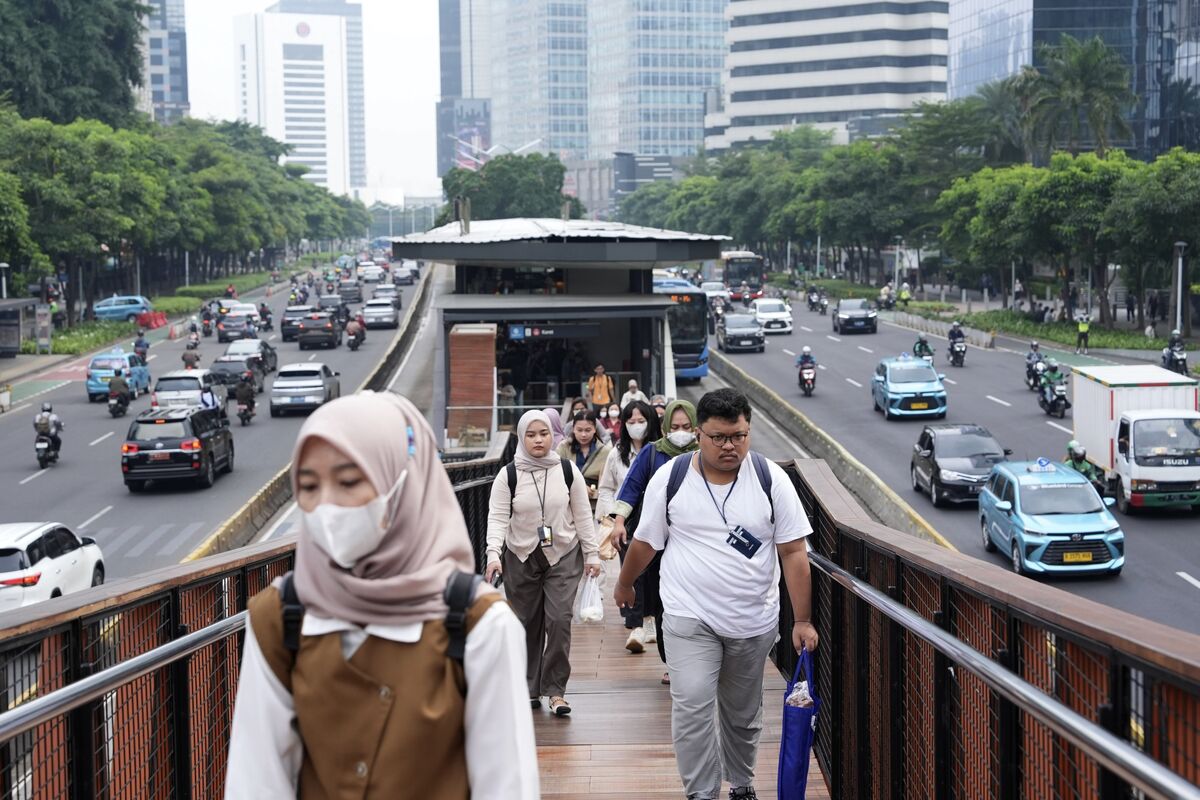
Indonesia's second-quarter GDP growth unexpectedly accelerated to 5.12% year-on-year, exceeding the 4.8% median estimate and a 4.04% quarterly expansion that also beat forecasts. Driven by resilient consumption and strong exports, this robust economic performance eases pressure on Indonesian policymakers amidst the uncertainty surrounding the rollout of US tariffs.
Indonesia's economy demonstrated unexpected resilience in the second quarter, with year-on-year GDP growth accelerating to 5.12%, significantly outpacing the median Bloomberg survey estimate of 4.8%. The quarterly expansion of 4.04% also surpassed forecasts of 3.69%. This outperformance was primarily fueled by a combination of resilient domestic consumption and strong export activity. The robust economic data provides Indonesian policymakers with greater flexibility and a buffer as they navigate the macroeconomic uncertainties stemming from the anticipated rollout of US tariffs, suggesting the domestic economy currently has a solid foundation to withstand initial external pressures.
AI-powered research, real-time alerts, and portfolio analytics for institutional investors.
Request DemoOverall Sentiment
strongly positive
Sentiment Score
0.75
