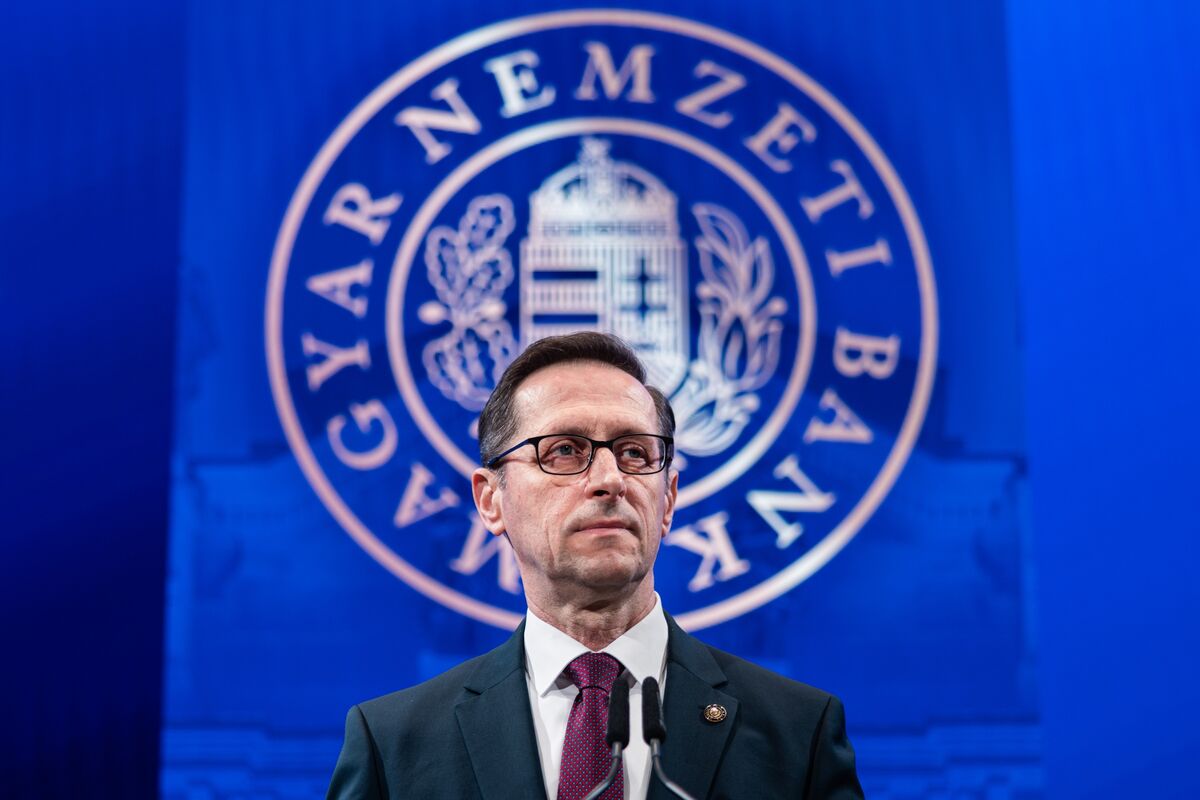
The National Bank of Hungary (NBH) has maintained its key interest rate at 7.0%, signaling a continued focus on stabilizing inflation expectations despite recent easing measures. Policymakers emphasized the importance of anchoring inflation and cited risks associated with volatile financial market sentiment and geopolitical tensions, suggesting a cautious approach to further monetary easing in the near term.
The National Bank of Hungary (NBH) has opted to maintain its key interest rate at 7.0%, signaling a deliberate pause in its recent monetary easing cycle. This decision, characterized by a hawkish tone, underscores the central bank's renewed focus on anchoring inflation expectations amid persistent risks. Policymakers explicitly highlighted concerns regarding volatile financial market sentiment and geopolitical tensions as key factors influencing their cautious approach. The hold suggests that while previous easing measures were implemented, the NBH now prioritizes stability and is wary of prematurely loosening monetary conditions further. The mildly positive market sentiment accompanying this announcement may reflect approval of the central bank's prudence in navigating an uncertain economic landscape, prioritizing inflation control over more aggressive easing.
AI-powered research, real-time alerts, and portfolio analytics for institutional investors.
Request DemoOverall Sentiment
mildly positive
Sentiment Score
0.15
