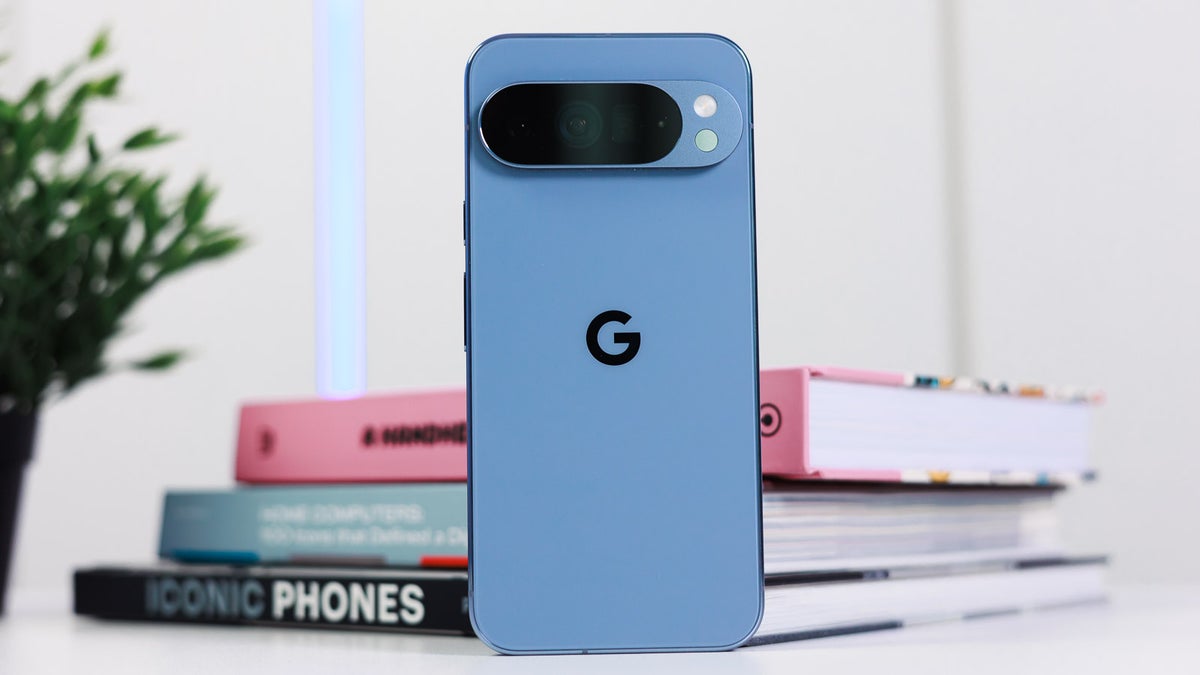
Google agreed to a $135 million settlement in Taylor v. Google over Android phones allegedly sending cellular data to Google while idle; eligible U.S. users (Nov 12, 2017 to court approval) can claim payments with a $100 per-person ceiling. Claims portal is live with payment options including PayPal, Venmo, Zelle, ACH or virtual Mastercard; Google denied wrongdoing and settled after exposure from a related $314M jury verdict, but individual payouts are expected to be materially smaller after fees and broad participation.
This settlement functions more as a negative sentiment catalyst than a material cash hit — the more important impact is the implicit increase in compliance and product-engineering cost to avoid repeat litigation. Expect Google to accelerate changes to telemetry, consent flows, and logging pipelines; engineering rework and external audits typically run at least several tens of millions annually for a company of this scale, creating a modest margin headwind concentrated over the next 12–24 months.
Second-order competitive effects lean toward a structural premium for privacy-first vendors. Apple’s ability to signal stronger privacy controls is an incumbent advantage that will translate into incremental pricing power and incremental user stickiness over 12–36 months, while Android OEMs may push for alternative services or revenue shares to offset tighter data-dependent ad yields.
For payments firms, the mechanics of settlement disbursement (digital wallets, virtual cards, ACH rails) generate a short, identifiable bump in low-margin transaction volumes and account funding activity. This is unlikely to move fundamentals materially, but it does offer a near-term earnings-season tidbit and can be used tactically to rotate into PX/MA names ahead of transitory volume recognition.
Key catalysts to watch: regulator follow-ups (state AGs or FTC) over 3–12 months, class-action spillovers or consolidation of related cases over 6–18 months, and product announcements that materially alter ad targeting capabilities. Market overreaction is possible; the trade is timing-sensitive and hinges on whether headlines evolve into structural regulatory constraints or stay as one-off remediation costs.
AI-powered research, real-time alerts, and portfolio analytics for institutional investors.
Request DemoOverall Sentiment
mildly negative
Sentiment Score
-0.15
Ticker Sentiment
