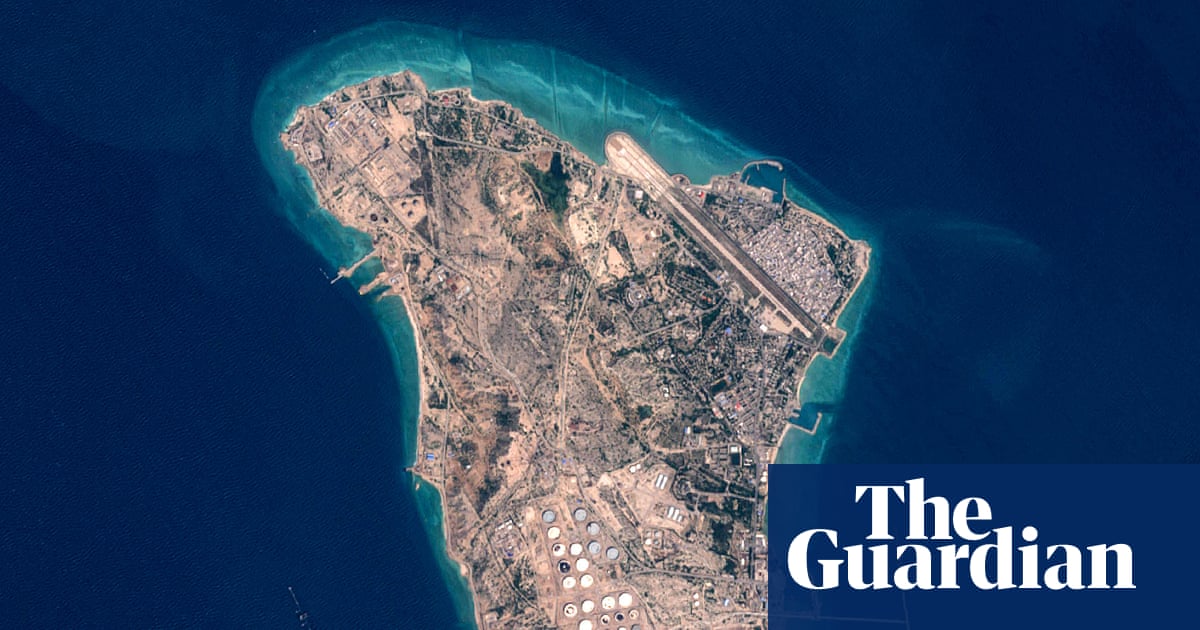
Oil is up ~54% since the start of March and traded near $117/bl (vs $119.50 peak earlier in March), putting Brent on track for its largest-ever monthly gain. President Trump threatened to destroy Iranian power plants, desalination facilities and key oil infrastructure (including Kharg Island), raising the probability of a US ground operation and a major escalation that would threaten flows through the Strait of Hormuz. The IMF warned continued Gulf disruptions imply higher prices and slower global growth, and markets face elevated volatility, supply-chain shocks and recession risk.
The market is pricing a premium for concentrated choke points and headline-driven escalation rather than for a broad, structural shortage of hydrocarbon production. That premium manifests through tighter freight/insurance spreads, steeper backwardation in short-dated crude curves, and outsized margin capture by producers with flexible lifting patterns; these are transient but can persist while uncertainty is high.
Second-order winners are service providers that monetize volatility in transit (tanker owners, freight insurers, SGX-listed storage providers) and defense/security firms selling maritime protection and sanctions-compliance services; losers are high-omega demand sectors (airlines, leisure travel) and refiners with inbound crude mix inflexibility. The liquidity profile of these winners differs — many tanker and small-cap E&P names trade with episodic volume, so position construction must account for wide intraday moves and limited hedging liquidity.
Tail risks are asymmetric: a rapid diplomatic resolution or coordinated SPR-type release can wipe out the premium within days, but a localized ground operation or widening regional war would move prices and risk premia materially higher for months. Key catalysts to watch in the next 1–12 weeks are: direct engagement between major regional actors, coalition support fractures (airspace/overflight restrictions), and credible signals of force projection (island seizure plans) — any of which compresses or amplifies insurance and charter spreads almost immediately.
AI-powered research, real-time alerts, and portfolio analytics for institutional investors.
Request DemoOverall Sentiment
strongly negative
Sentiment Score
-0.85
