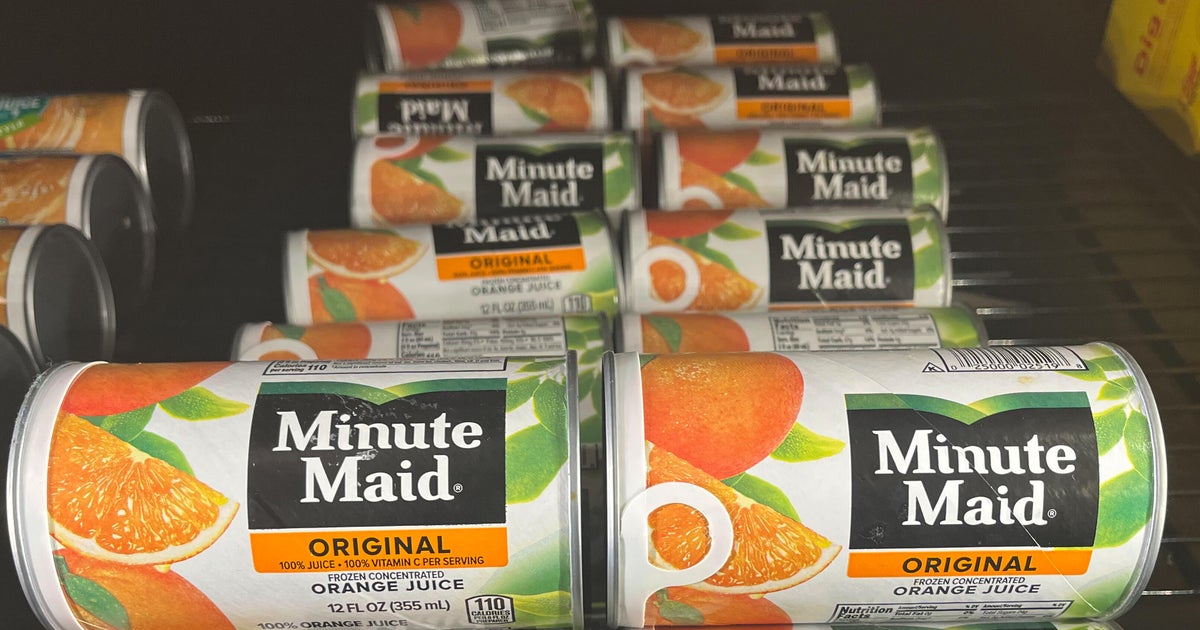
Coca-Cola will discontinue Minute Maid frozen juice concentrates in the U.S. and Canada by April as it exits the frozen can category to concentrate on fresh juices, citing shifting consumer preferences. The move follows weakening frozen-beverage sales (down nearly 8% in the 52 weeks ending Jan. 24 per NielsenIQ) and input-price pressure—12‑oz cans averaged $4.82 in December, up 13% year-over-year—driven by poor weather in Brazil and Florida; inventory will be available while supplies last. For investors, the decision signals a strategic reallocation away from a declining, cost-pressured segment toward fresher SKUs, with limited near-term balance-sheet impact but modest operational and brand implications within Coca-Cola's non-alcohol beverage portfolio.
Market structure: Coca‑Cola (KO) exiting frozen concentrates cedes a low‑growth, price‑sensitive category (frozen sales down ~8% YoY) and reallocates SKU and shelf space to fresh/refrigerated lines with higher velocity and margin. Direct winners: KO (margin mix improvement), refrigerated juice brands and grocers (better freezer economics); losers: remaining frozen specialists and orange juice futures (demand tailwind for frozen weak). Net market share shifts will be incremental — expect low‑single‑digit domestic revenue reallocation over 12 months rather than large share swings.
Risk assessment: Immediate risk is inventory write‑offs and retailer slotting costs (through April inventory run‑off). Short term (weeks–months) watch KO’s Q1 commentary for one‑time charges; long term (12–24 months) benefit if fresh juice margins improve by ~10–50 bps. Tail risks include a sharp rebound in FCOJ prices from Brazilian/Florida crop shocks or sugar/regulatory changes that could negate cost benefits; hidden dependency: co‑packing contracts and commodity hedges that may lock KO into unfavorable positions for up to 12 months.
Trade implications: Tactical idea — modest long KO (1–2% NAV) to play SKU rationalization and margin mix, with a paired hedge via small short position in FCOJ futures or a put spread (Jun 2026) to protect against demand collapse; avoid large directional bets on PEP (diversified). Reallocate 0.5–1% from frozen‑exposed packaged food stocks into refrigerated/“better‑for‑you” beverage names and large grocers that can monetize freed freezer space within 3–6 months.
Contrarian angles: Consensus may overstate the revenue hit — frozen concentrate is a small share of KO’s portfolio, so market reaction could be muted and any write‑offs are one‑offs. Watch for private‑label frozen entrants (TreeHouse Foods, THS) stepping in and capturing incremental shelf share, which could offset commodity demand loss and create a secondary beneficiary trade if frozen SKU count stabilizes after 6–12 months.
AI-powered research, real-time alerts, and portfolio analytics for institutional investors.
Request DemoOverall Sentiment
mildly positive
Sentiment Score
0.25
Ticker Sentiment
