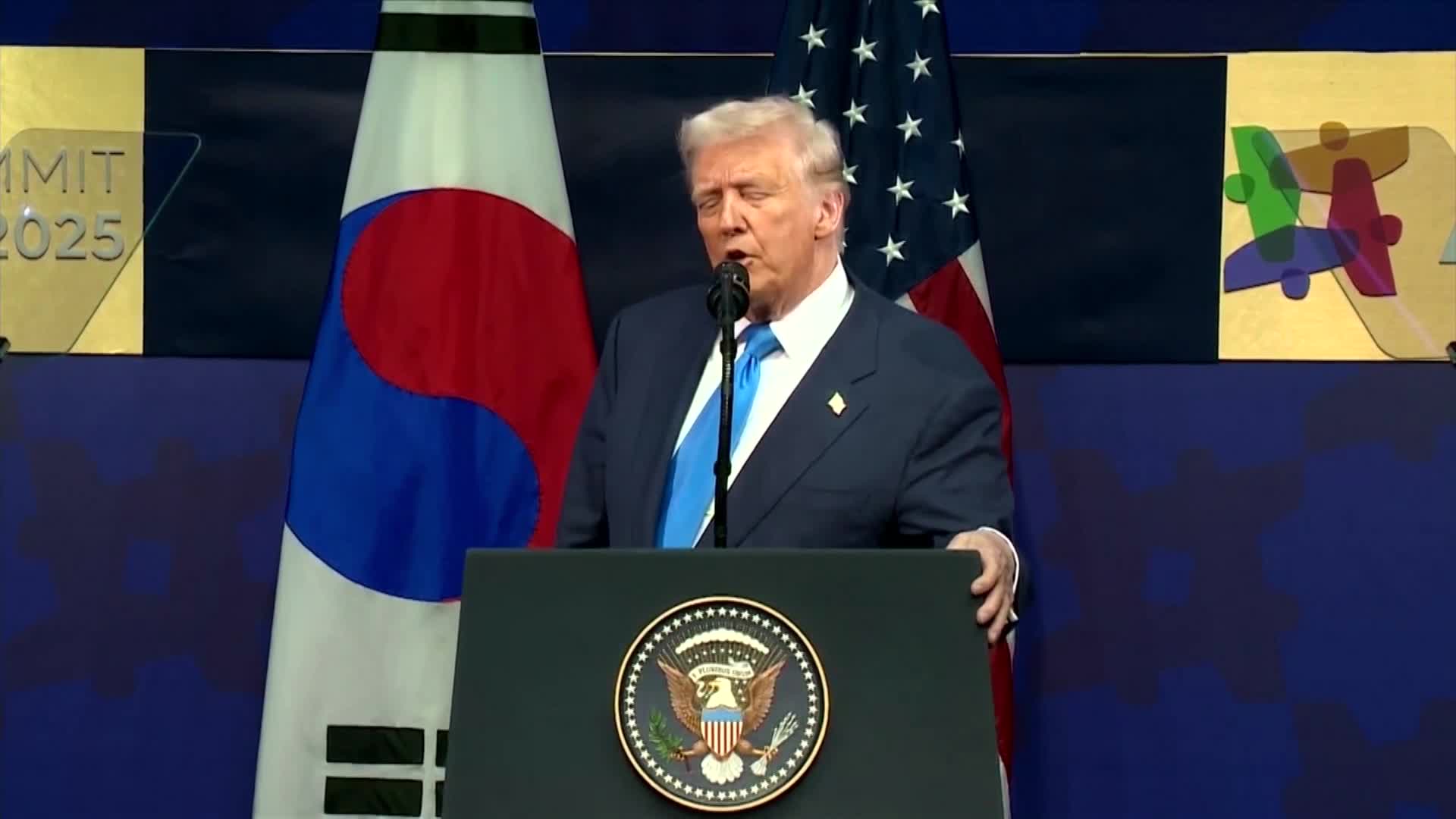
Former President Trump's threat to impose 250% tariffs on India and Pakistan signals a potential significant escalation in trade tensions. Such high tariffs, if implemented, could severely disrupt existing trade relationships and global supply chains, introducing considerable economic uncertainty for companies with exposure to these markets and warranting close monitoring by institutional investors.
Former President Trump's threat of 250% tariffs on India and Pakistan signals a potential significant escalation in global trade tensions. This aggressive stance, if implemented, would severely disrupt established trade relationships and global supply chains, as indicated by the negative sentiment (-0.8) and high market impact (0.8) signals. The proposed tariffs are exceptionally high, suggesting a punitive measure rather than a typical trade adjustment.
Such substantial tariffs introduce considerable economic uncertainty, particularly for companies with significant exposure to these emerging markets. The disruption would extend beyond direct trade, potentially impacting manufacturing, sourcing, and distribution networks globally. This scenario aligns with themes of "Trade Policy & Supply Chain" and "Emerging Markets" risk.
The threat, originating from a former president, also highlights the influence of "Elections & Domestic Politics" on future trade policy. While not immediately enacted, this statement signals a potential shift in trade dynamics should there be a change in U.S. administration. Institutional investors must consider the long-term implications for geopolitical risk and market volatility.
AI-powered research, real-time alerts, and portfolio analytics for institutional investors.
Request DemoOverall Sentiment
Negative
Sentiment Score
-0.80
