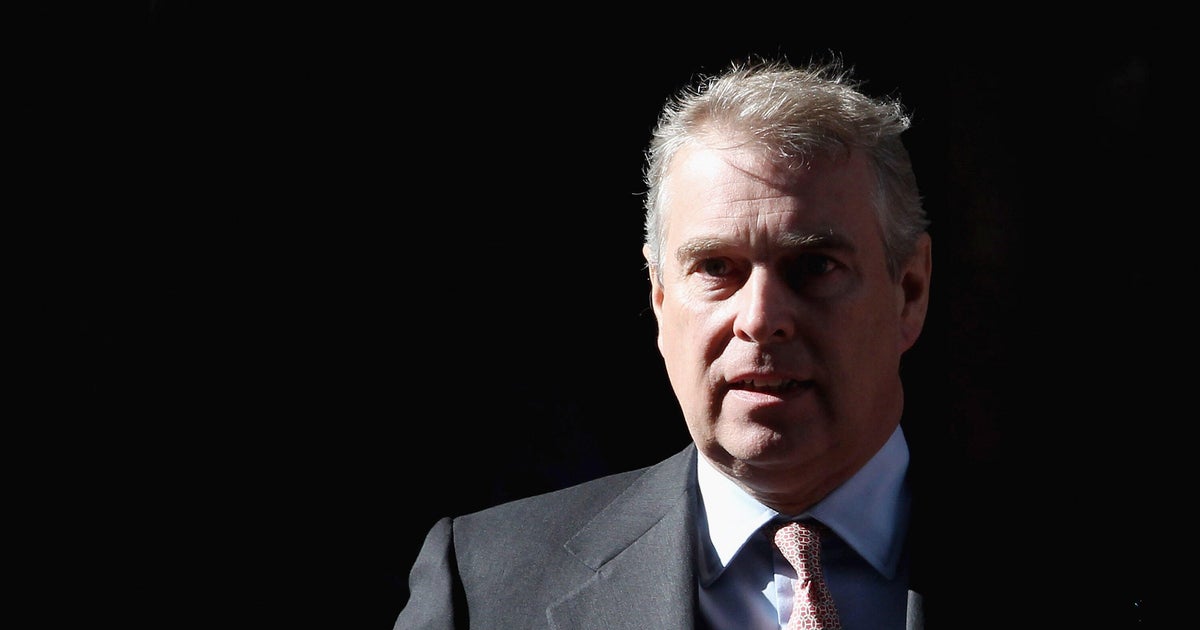
Former Prince Andrew was arrested in the U.K. on suspicion of misconduct in public office after the U.S. Justice Department released a large cache of Epstein-related files that include 2010–2011 emails and photos suggesting he shared confidential trade-mission material with Jeffrey Epstein and showed him with unidentified women. The trove contains a 2011 FBI report echoing Virginia Giuffre's prior allegations, draft communications from Ghislaine Maxwell referencing a disputed 2001 photo, and 2001 emails from a sender signed “A” that sought associates for social contact; his legal team engaged DOJ officials in 2020 about cooperation. While the arrest is tied to alleged misconduct in office rather than the sex-assault claims, the disclosures have reputational and legal implications for the royal household and highlight potential misuse of official information during his tenure as a trade envoy.
Market structure: This is a reputational/legal shock with concentrated winners (media, crisis-PR, litigation funders, private investigators, security contractors) and concentrated losers (brands/charities tied to the Duke, UK tourism sensitivity plays, and politically exposed incumbents). Expect a modest reallocation of ad and reputational-spend (+1–3% incremental revenue for global PR groups over 3–12 months) and traffic spikes for news broadcasters; GDP-level impact is negligible but headline risk is real for UK-exposed consumer names and sovereign risk premia.
Risk assessment: Tail risks include a protracted parliamentary inquiry or further DOJ revelations that raise UK political risk and push 10y gilts +10–30bp and GBP -2–5% in 30–90 days. Immediate (days) risks are volatility in UK media/equities; short-term (weeks–months) is reputational/uninsured legal cost shock to specific entities; long-term (quarters) is policy/contracting shifts for trade-related appointments. Hidden dependencies: exposure of confidential trade info could affect UK trade deals in sensitive jurisdictions (Asia), provoking corporate contract renegotiations.
Trade implications: Tactical plays: short GBP vs USD and selective short UK equity exposure (EWU) on 30–90 day horizon; go long global PR/communications and security contractors positioned for crisis work (WPP.L, SRP.L) over 3–12 months. Use options to cap risk: buy 3-month GBP puts (or FXB put options) and 1–3 month EWU put spreads; use gilt futures to hedge if 10–20bp move materializes.
Contrarian angles: The market underprices service providers that monetize scandal (PR, litigation funding, background-screening) and overprices permanent damage to monarchy-linked consumer brands — history (past royal scandals) shows tourism and brand metrics often revert within 6–12 months. Unintended consequence: heavier state security spending and more stringent vetting could benefit defense/security contractors; if DOJ releases stop, the short-GBP/short-UK-equity trade will be overdone quickly.
AI-powered research, real-time alerts, and portfolio analytics for institutional investors.
Request DemoOverall Sentiment
neutral
Sentiment Score
0.00
