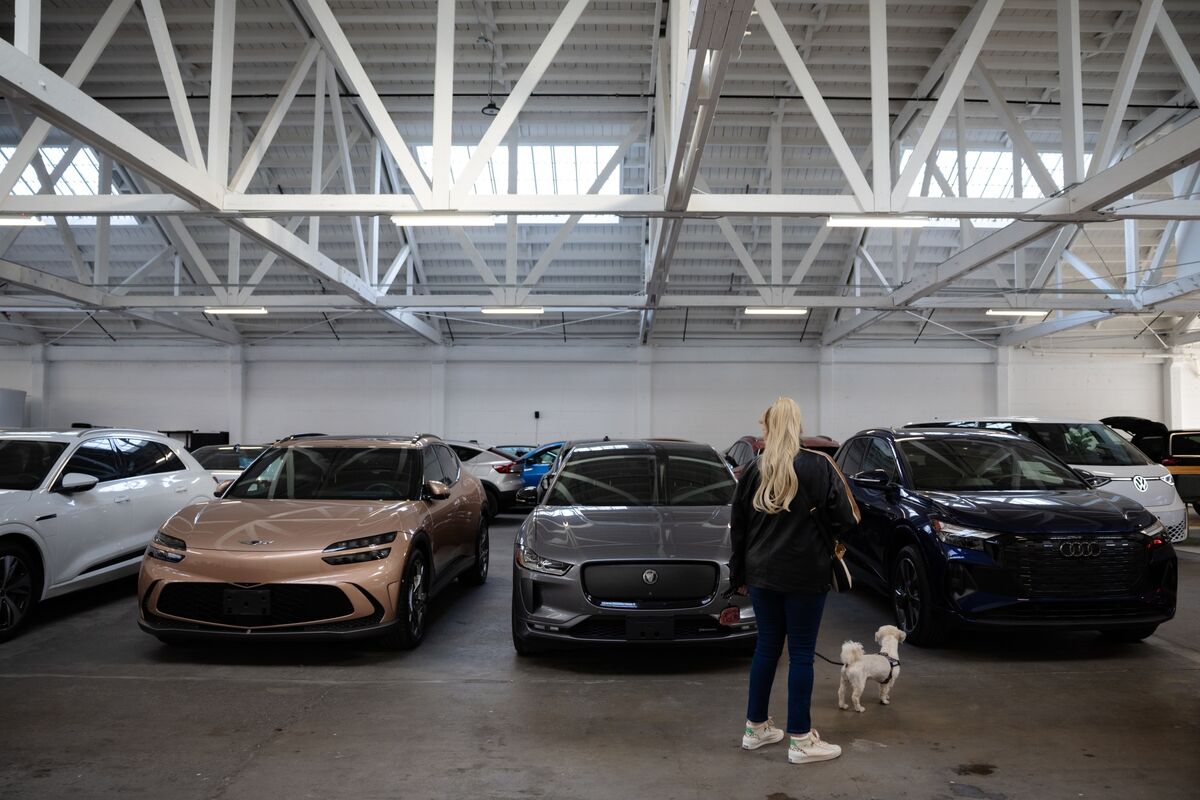
Gasoline surged to $6.81/gal at a local station, driving renewed consumer interest in EVs and electrification goods; used EVs are seeing appointments and many are priced under $30,000. The uptick follows an oil-price spike after US and Israeli strikes on Iran, reversing recent weakness in the US EV market and lifting demand for EVs, solar panels, induction stoves and heat pumps. This dynamic is sector-moving: it should boost near-term retail and installer demand for electrification while potentially weighing on oil demand if sustained.
The recent oil shock acts like an accelerant on an already-fragmented electrification pathway: short-term fuel pain compresses the payback period for buying or retrofitting electric appliances and vehicles, producing discrete demand bumps that can persist for several quarters if pricing remains elevated. That said, durable adoption requires three things to move from experiment to replacement — lower total cost of ownership, visible used-vehicle residuals, and accessible charging/installation capacity — each with different supply-side lead times (weeks for retail pricing, months for installer capacity, years for grid upgrades).
Winners are not just OEMs: downstream retail and service nodes capture the first-order margin moves. Expect used-car platforms and dealerships with scale in diagnostics/warranty (KMX, AN, KAR) and fast-turn inventory to pick up EBITDA upside before new-vehicle makers do; residential electrification component makers (ENPH, SEDG) and heat-pump/HVAC suppliers (CARR) see order-book improvements on a 3–12 month cadence. Upstream mining and recycling (ALB, LAC, UMICORE) get longer-duration tailwinds as greater vehicle electrification raises demand for lithium and secondary-material processing, but capital intensity and permitting mean price-to-volume responses lag demand by 6–18 months.
Key reversals are straightforward: a credible diplomatic de-escalation, coordinated SPR release, or a rapid decline in wholesale fuel prices would collapse the short-run incentive vector within days–weeks and could leave inventory-heavy retailers sitting on markdown risk. Conversely, persistent elevated fuel input costs or policy nudges (rebates/tariffs/infrastructure grants) materially shorten consumer payback periods and sustain higher order flow for 3–12 months. The high-conviction window for stock selection is 3–12 months; infrastructure and raw-material plays require 6–24 months of conviction and liquidity planning.
A contrarian read is essential: consumer conversations often oversample the price-sensitive marginal buyer — momentum in showroom visits can be front-loaded and overstates durable conversion. Monitor used-EV resale spreads and warranty claim rates as early indicators of whether the bump becomes a structural trend; if resale spreads compress quickly, EV OEMs and component suppliers capture the long-term value, but if not, retailers and short-duration service providers will carry the most execution risk.
AI-powered research, real-time alerts, and portfolio analytics for institutional investors.
Request DemoOverall Sentiment
mildly positive
Sentiment Score
0.30
