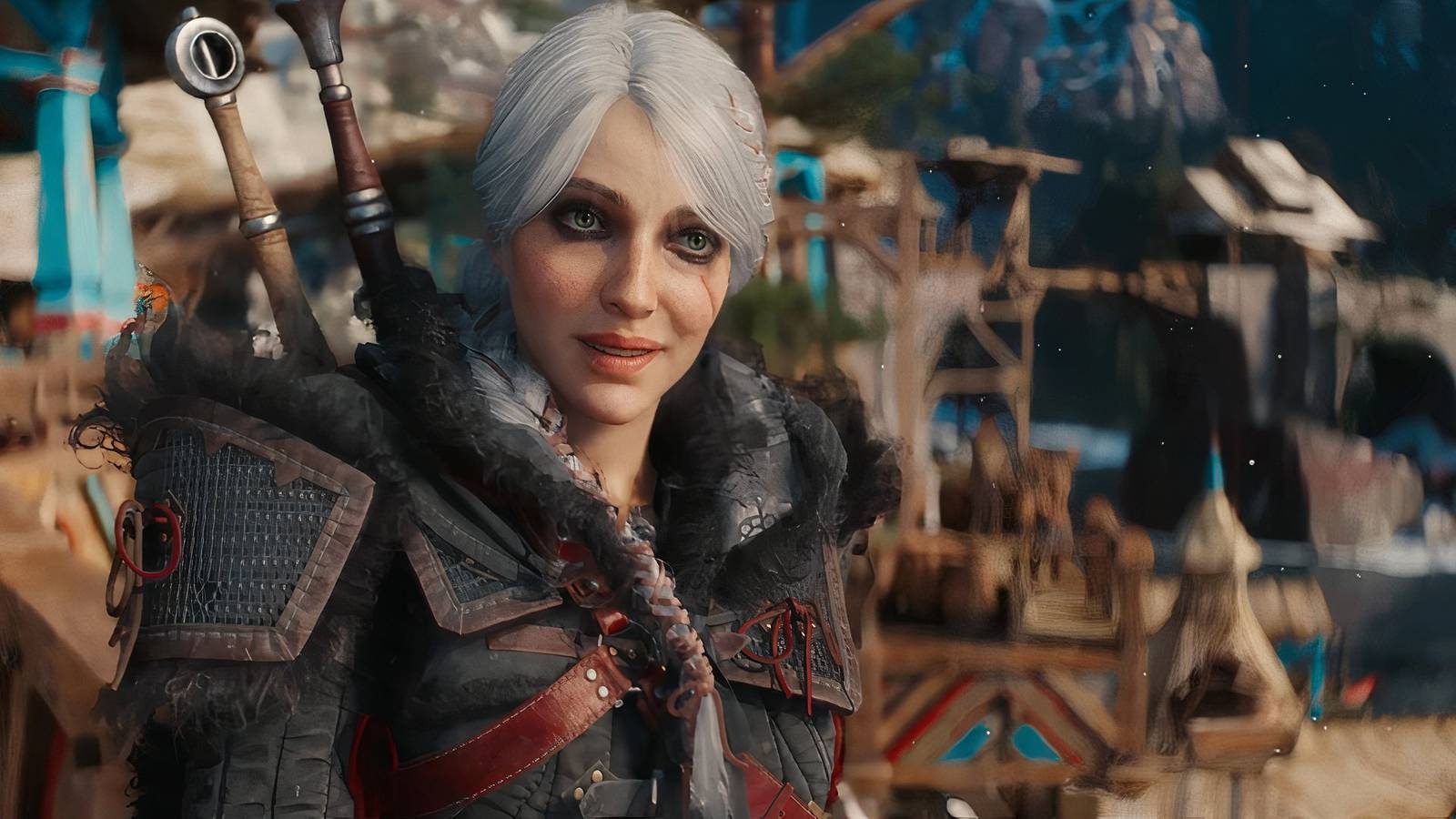
Larian's disclosure that generative AI was actively used in development of a new Divinity entry provoked substantial fan backlash and a defensive public response from CEO Swen Vincke, who later scheduled a January AMA to address community concerns. The story is part of a broader industry trend—Warhorse, Sandfall Interactive, Bethesda and CD Projekt Red have all acknowledged AI tooling—which raises reputational risks, questions about awards legitimacy (e.g., Clair Obscur's GOTY), and potential short‑term impacts on consumer trust. No revenue, earnings or guidance were reported; the main investor considerations are brand and demand risk, possible PR or regulatory costs, and how companies govern AI use going forward.
Market structure: The immediate winners are AI infrastructure and middleware providers (NVIDIA, AMD, Microsoft Azure, Unity) that sell GPUs, cloud cycles, or dev tools—expect 6–18 month revenue upside of +5–15% vs. baseline as studios scale tooling. Losers are smaller, narrative-driven studios where goodwill is a competitive moat; a sustained boycott or refund wave could shave 5–20% off a single-title digital revenue in the first 1–2 quarters. Cross-asset: elevated idiosyncratic equity vols in gaming, modest tech credit spread compression if AI revenue proves durable, and incremental demand for GPUs that supports semiconductor cyclicals.
Risk assessment: Tail risks include regulatory constraints (EU AI Act enforcement, copyright suits) or a high-profile consumer backlash that forces forced-disclosure/remediation—each could cut near-term margins 3–10%. Time horizons: social media backlash acts in days–weeks; preorder/sales impact shows in weeks–months; productivity/margin gains play out over 6–24 months. Hidden dependencies: licensing of training data, cloud bill inflation, and concentration risk around a few GPU suppliers (single-vendor risk). Catalysts: upcoming AMAs, quarterly earnings from NVDA/MSFT/EA, and regulatory announcements in the next 30–90 days.
trade implications: Tactical longs: overweight NVDA (6–12 month core) and MSFT Azure (6–12 months); overweight Unity as a middleware beneficiary. Tactical shorts/hedges: select small/mid-cap narrative-driven studios where community trust is material—use 3-month puts to limit downside. Options: buy 3–6 month NVDA calls (25–50% notional of core position) to express upside while buying 3-month ATM puts on exposed gaming names as insurance. Rotate 5–10% of consumer-discretionary exposure into semiconductors/cloud over 30 days, take profits on tech positions at +25–35% or after 12 months.
contrarian angles: The market assumes reputational damage is uniform; that understates monetization of AI toolchains (SaaS licensing, runtime royalties) which could generate recurring revenue and higher gross margins for middleware and cloud providers over 12–36 months. Reaction may be overdone for large publishers (MSFT, SONY, EA) who can absorb PR cost—small names likely over-penalized by 10–30% without fundamental sales deterioration. Historical parallels: early CGI/asset-reuse controversies depressed sentiment but not long-run franchise sales; unintended consequences include consolidation risk (strategic M&A into studios) which favors deep-pocket acquirers.
AI-powered research, real-time alerts, and portfolio analytics for institutional investors.
Request DemoOverall Sentiment
mildly negative
Sentiment Score
-0.25
