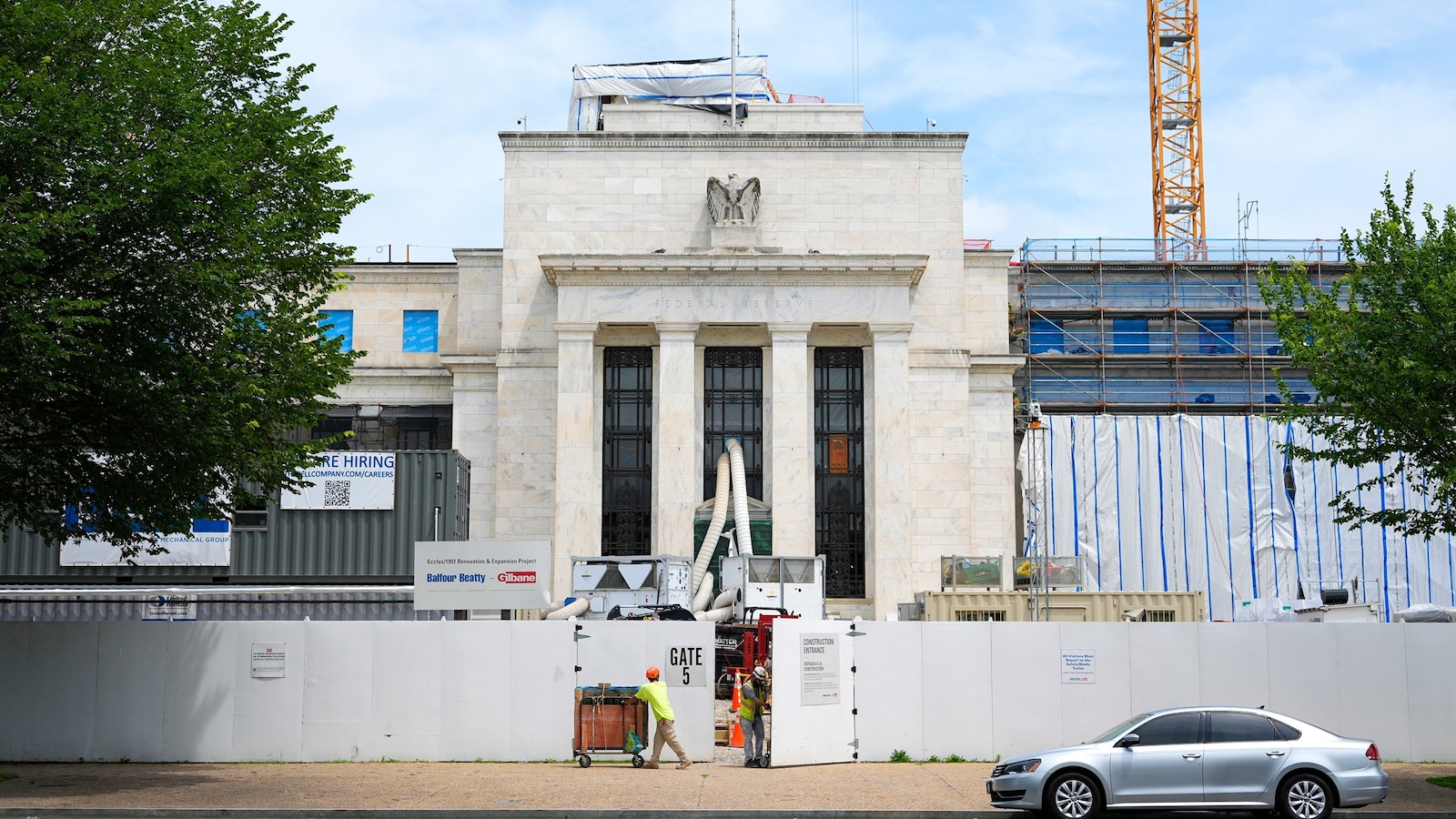
The White House is publicly criticizing Federal Reserve Chair Jerome Powell over alleged mismanagement and cost overruns on the Fed's headquarters renovation, with the project's cost rising from an initial $2.1 billion to $2.5 billion, suggesting it could be grounds for his removal. While Powell attributes the cost increase to unforeseen historical building complexities, material costs, and labor, analysts widely interpret this critique as a pretext for President Trump's underlying frustration with the Fed's interest rate policy, given the requirement for 'cause' to fire the Fed Chair.
The White House is publicly leveraging cost overruns in the Federal Reserve's headquarters renovation—a project whose budget has increased from $2.1 billion to $2.5 billion—to exert pressure on Fed Chair Jerome Powell. This criticism is widely interpreted as a political pretext, as President Trump's actual frustration stems from the Fed's decision to hold interest rates steady. The legal threshold to remove a Fed chair requires "cause," and this focus on alleged mismanagement appears to be an attempt to build such a case. Powell has defended the cost increases by citing unforeseen site conditions like asbestos and a high water table, post-pandemic inflation in materials and labor, and the inherent complexities of renovating a historic building on the National Mall. This defense is substantiated by an independent expert who noted cost increases of 30-60% are not uncommon for similar D.C. projects, and by historical precedent with other major renovations like the Smithsonian Air and Space Museum. The core policy conflict is the Fed's cautious stance on rate cuts, which it attributes to the need to assess the economic impact of the administration's own tariff policies. This political maneuvering, including the replacement of planning commission members with presidential aides, introduces significant uncertainty around the Federal Reserve's operational independence and the future path of monetary policy.
AI-powered research, real-time alerts, and portfolio analytics for institutional investors.
Overall Sentiment
moderately negative
Sentiment Score
-0.50
