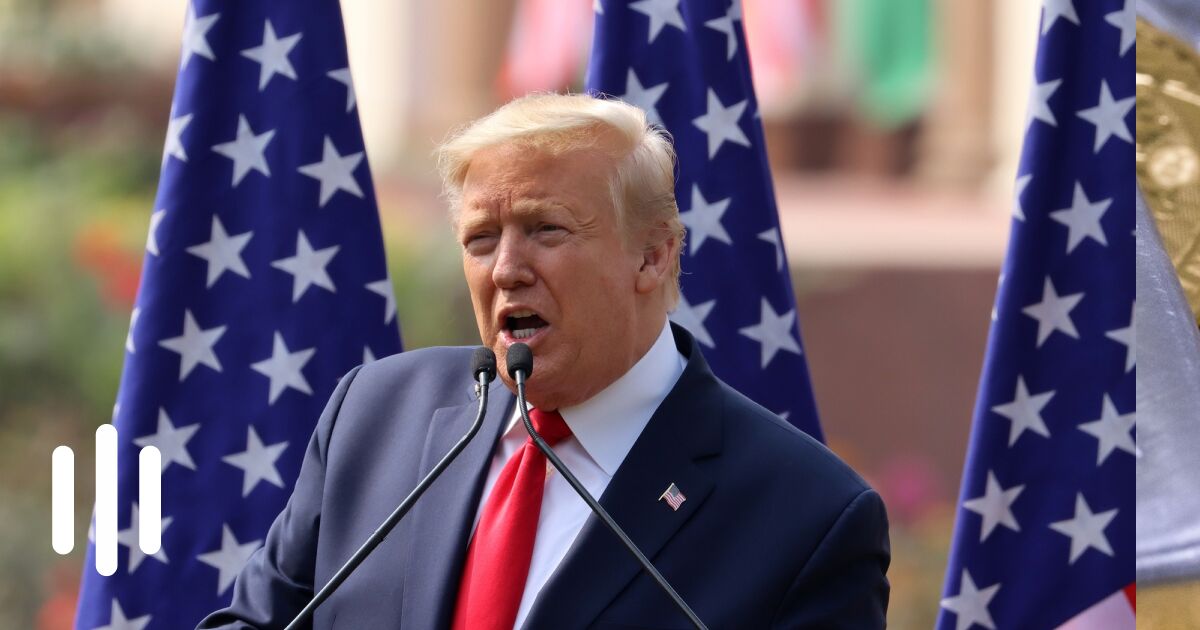
US President Donald Trump is scheduled to meet Chinese President Xi Jinping for the first time since Trump's second term, a highly anticipated event amidst broader world leader gatherings in Malaysia and South Korea, with significant implications for US-Asia relations and global markets.
The upcoming meeting between US President Donald Trump and Chinese President Xi Jinping, their first since Trump's second term, represents a pivotal geopolitical event. This high-level bilateral discussion is set amidst broader world leader gatherings in Malaysia and South Korea, drawing significant international attention.
This engagement carries substantial implications for US-Asia relations and global markets, as indicated by a moderate market impact score of 0.6. While the immediate sentiment surrounding the event is neutral, the potential for policy shifts stemming from this interaction is considerable.
The event is thematically classified under "Geopolitics & War" and "Elections & Domestic Politics," underscoring its strategic and policy-driven nature. The absence of specific company tickers suggests that any market reaction will likely be broad-based, affecting macro-economic trends rather than individual equities directly.
AI-powered research, real-time alerts, and portfolio analytics for institutional investors.
Request DemoOverall Sentiment
neutral
Sentiment Score
0.00
